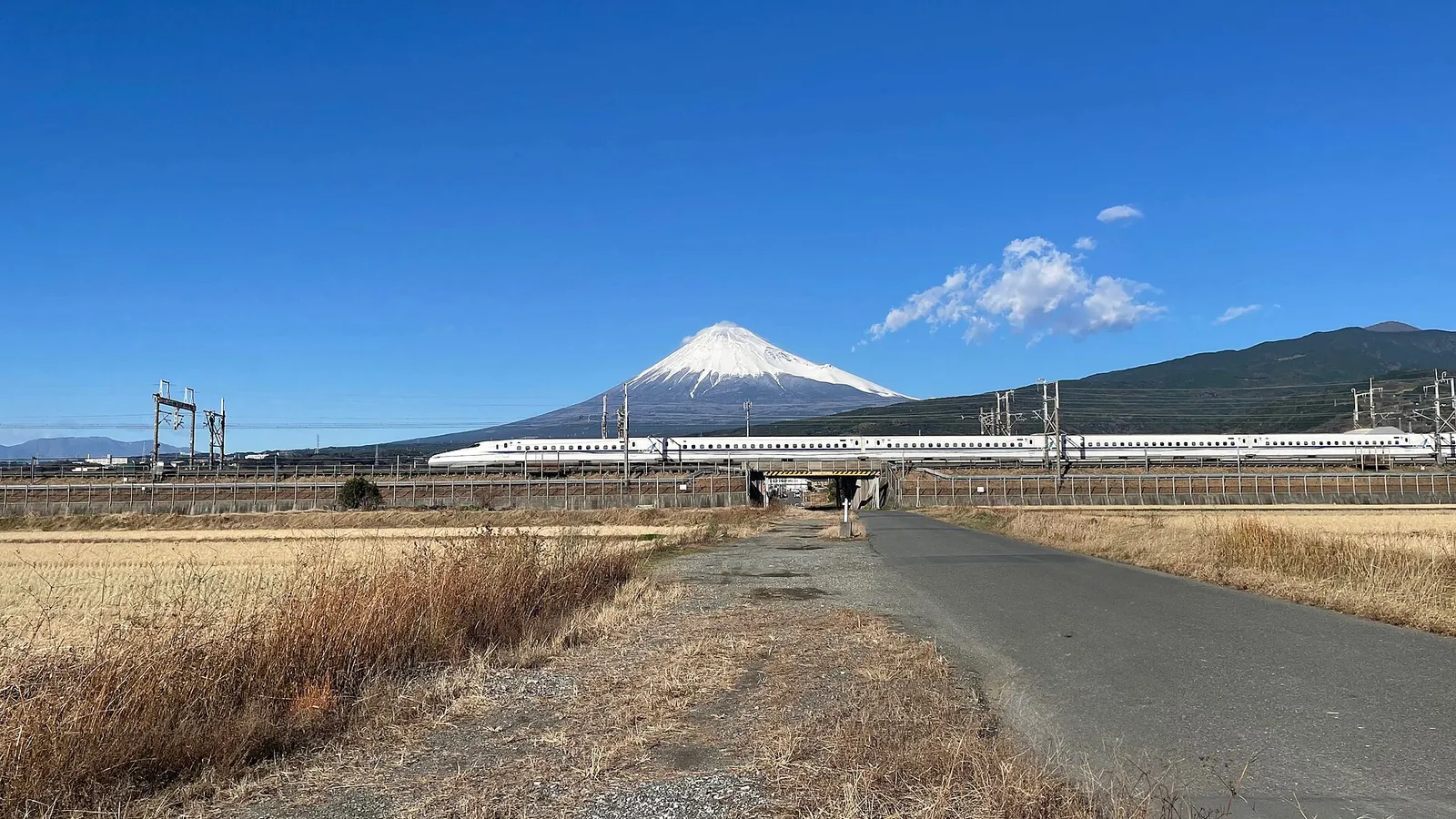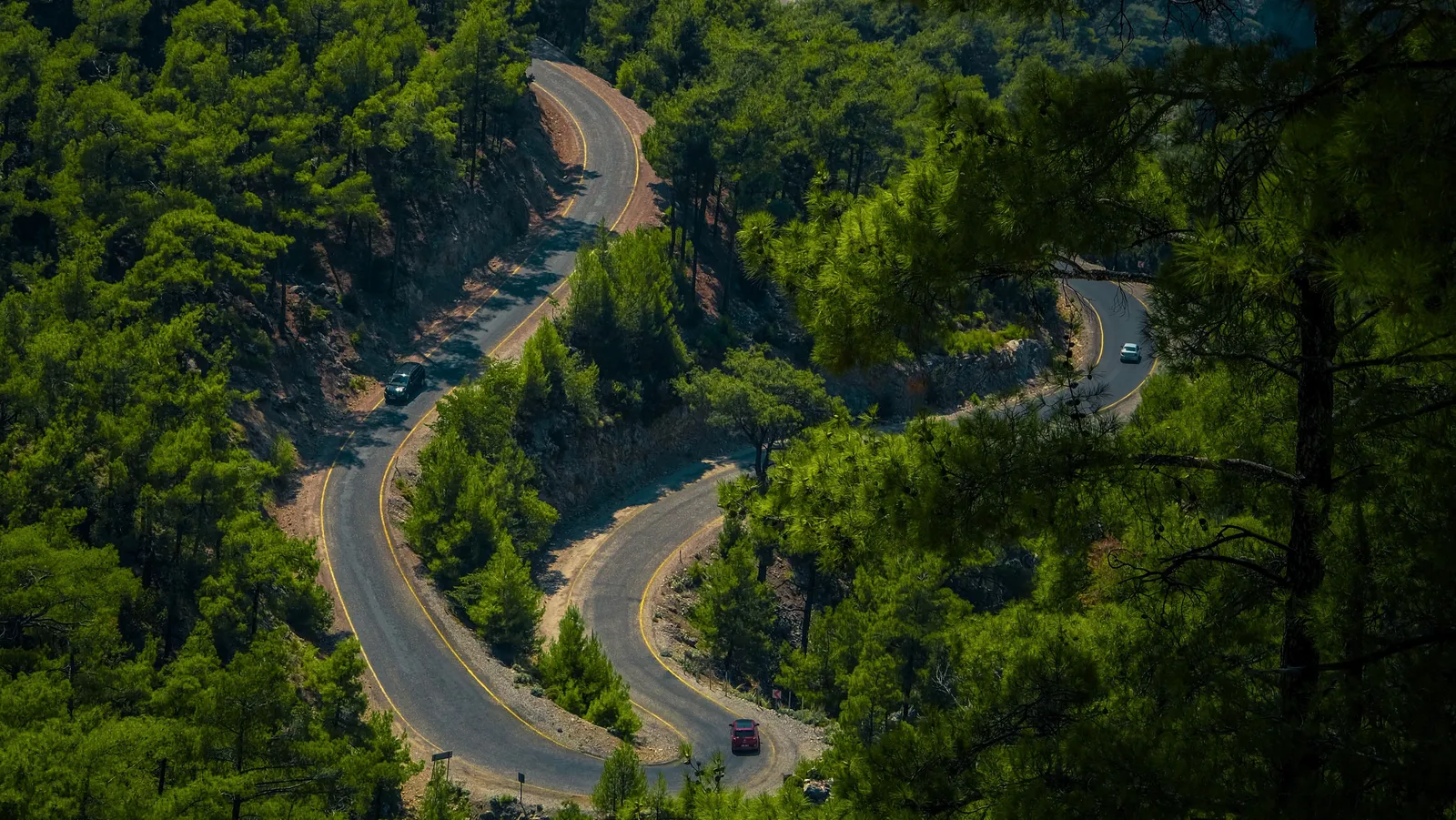
Driving in Japan: The Permit Question and the Roads
Japan drives on the left, the tolls are expensive, and the permit that works almost everywhere else is not the one Japan accepts from every country. Sort that before you book.
Everything you need to know about Japan, sorted by topic, from Tokyo and Kyoto to Hokkaido and Okinawa.
Japan drives on the left, the tolls are expensive, and the permit that works almost everywhere else is not the one Japan accepts from every country. Sort that before you book.
Three periods when the whole country travels at once, trains sell out months ahead and prices rise. Here is roughly when they fall and what to do about them.
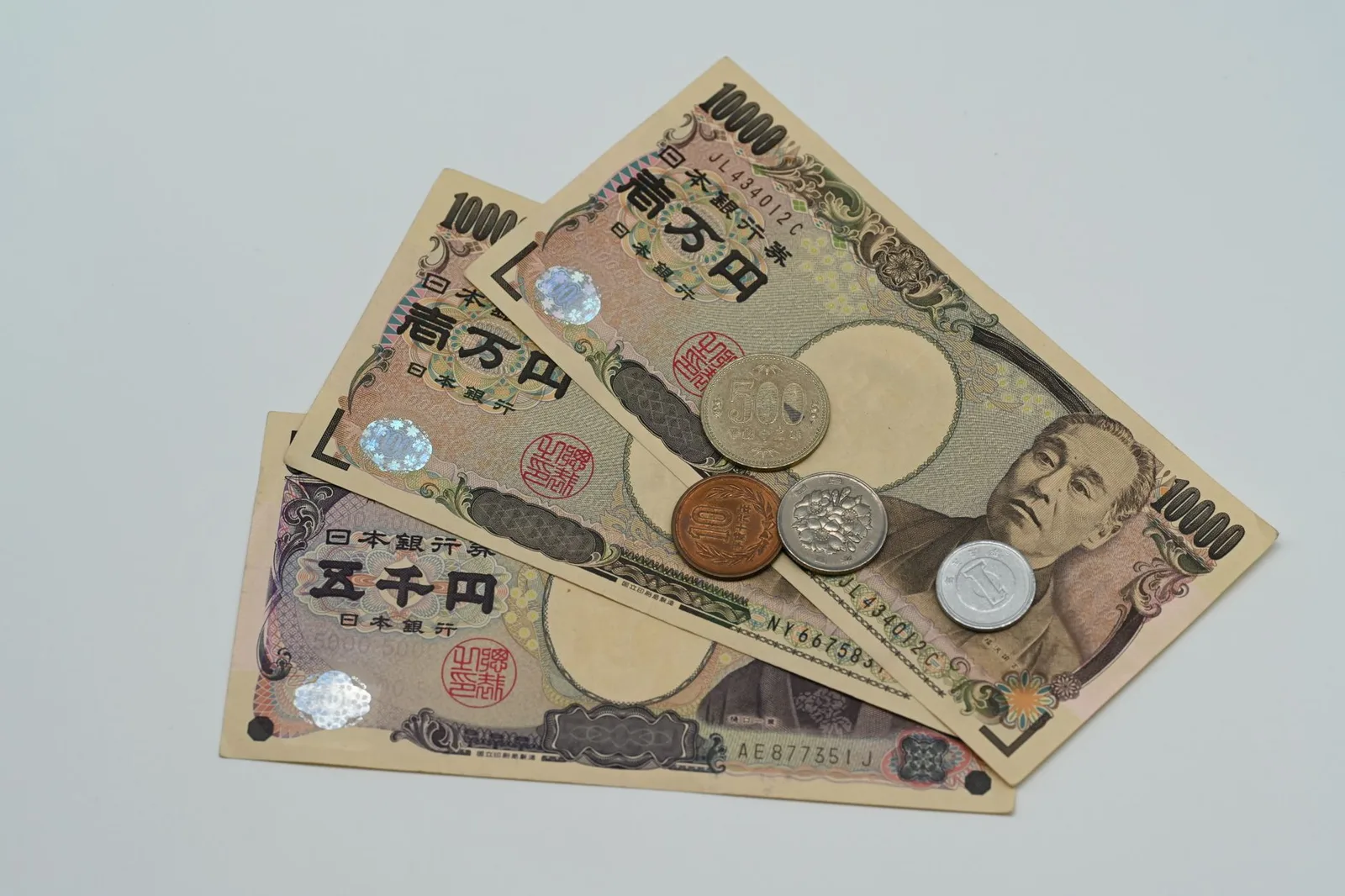
A country with contactless everywhere and a stubborn cash habit underneath it, where the machine that takes your card is in the convenience store rather than the bank.
Probably the easiest country in the world to travel solo, and built for it in ways that are not accidental, because a great many Japanese people eat and travel alone too.
A country long enough to hold subarctic and subtropical at the same time, which is why a single national answer to when to go is useless.
One of the most straightforward countries in the world to travel with children, for reasons that have very little to do with the theme parks.
The list changes more between Japanese seasons than for almost anywhere else, and two or three items make a disproportionate difference in every one of them.
How the sakura forecast works, what kaika and mankai actually mean, roughly when each region blooms, and why the booking decision has to be made long before the first forecast appears.
The Studio Ghibli museum in Mitaka and the newer Ghibli Park near Nagoya both sell timed tickets in advance only, nothing at the door, so here is how the two differ and how to actually get in.
Tokyo Disneyland and Tokyo DisneySea are two very different parks on one ticket. How to choose between them, how the ticketing and paid queue skipping system works, and how to plan a day that will not wreck you.
The pass got much more expensive and for many itineraries it no longer pays: how to do the arithmetic in ten minutes, which trips still justify it, and what to buy instead.
Japan or South Korea for your next trip? A fair comparison of culture, food, costs, transport, cities and nature, with a clear verdict for first-timers and every traveler type.
Tokyo or Osaka for your Japan trip? An honest comparison of the two great cities: sights, food, nightlife, day trips to Kyoto and Nara, costs, and a clear verdict for every type of traveler.
When to go to Japan, season by season: cherry-blossom timing, fiery autumn leaves, the crowded peaks to plan around, and the quiet shoulder months that may be the sweet spot.
Why travel insurance matters for a Japan trip: high private medical costs for visitors, ski and Mount Fuji coverage, long-haul flight disruption, typhoon and earthquake interruption, and baggage.
The numbers every visitor to Japan should save: 110 for police, 119 for fire and ambulance, the Japan Visitor Hotline, plus how koban police boxes, pharmacies and earthquake alerts work.
Japan runs on data and its free wifi is worse than you expect: the three options, what each actually costs in convenience, and why you should sort it before you fly.
Koyo runs from the northern mountains in September to the southern cities in December, lasts longer than the cherry blossom and is arguably more beautiful.
The bloom moves north over about six weeks and lasts a week in any one place: how the forecast works, where to go, and why hanami is a picnic rather than a photograph.
Do you need a visa for Japan? Most nationalities get up to 90 days visa-free, but not all of them. Here is how entry works in 2026: Visit Japan Web, passport rules, the higher departure tax and the questions officers actually ask.
Planning your first trip to Japan? Here is when to go, how the trains and IC cards work, whether the JR Pass is worth it, how much cash to carry, and the etiquette that keeps you out of trouble.
A city rebuilt around a memorial and an island with a torii standing in the sea: how to fit both into a day, and why the order matters more than the timetable.
Why skiers fly across the world for Japan's powder, how Hokkaido, Honshu and Tohoku resorts differ, what a ski trip costs next to the Alps, and the onsen ritual that finishes every good day on snow.
The northern mountain villages, the temples nobody queues for and the neighbourhoods that still feel lived in, plus how to fit them around the famous sights rather than instead of them.
How the six sumo tournaments work, why ringside seats are hard to get, what a tournament day actually feels like, and how to read a match once the wrestlers finally touch.
Where to actually eat around Tokyo, the Tsukiji versus Toyosu split explained, the market under the tracks in Ueno, and the department store basements most visitors never find.
What Akihabara actually is, how the multi storey shops work, what gachapon and arcades ask of your coin pocket, and whether the electronics are still worth buying.
The old teahouse quarter of Kyoto, its lanes and canal, what a geiko and a maiko actually are, and the etiquette the district now enforces on its private streets.
Japan's northern island, where the snow is the lightest on earth, the summer is cool and dry, and Sapporo eats better than cities twice its size.
Okinawa sits closer to Taipei than to Tokyo: white sand, coral reefs, a separate island culture and a long swimming season, plus how many days it honestly deserves.
A preserved Edo-era merchant town and a living village of steep thatched farmhouses in the Japanese Alps, with how to get between them, what to eat, and whether to stay the night.
A couple of hours north of Tokyo: a UNESCO shrine complex carved with gilded ornament, a red sacred bridge, and a caldera lake with a waterfall above it, doable as one long day.
Osaka nightlife guide: Dotonbori neon, Namba and Shinsaibashi bars, izakaya cover charges, last trains and rough prices for a round in Japan's loudest food city.
Tokyo or Osaka for your Japan trip? An honest comparison of the two great cities: sights, food, nightlife, day trips to Kyoto and Nara, costs, and a clear verdict for every type of traveler.
An hour from Tokyo, the medieval capital sits between wooded valleys and the sea, with temples in the hills, a small railway along the coast and surfers on the sand.
How to do Kyoto without the crowds swallowing you: the temples worth your time, the geisha district of Gion, a day-by-day plan, and the etiquette to get right.
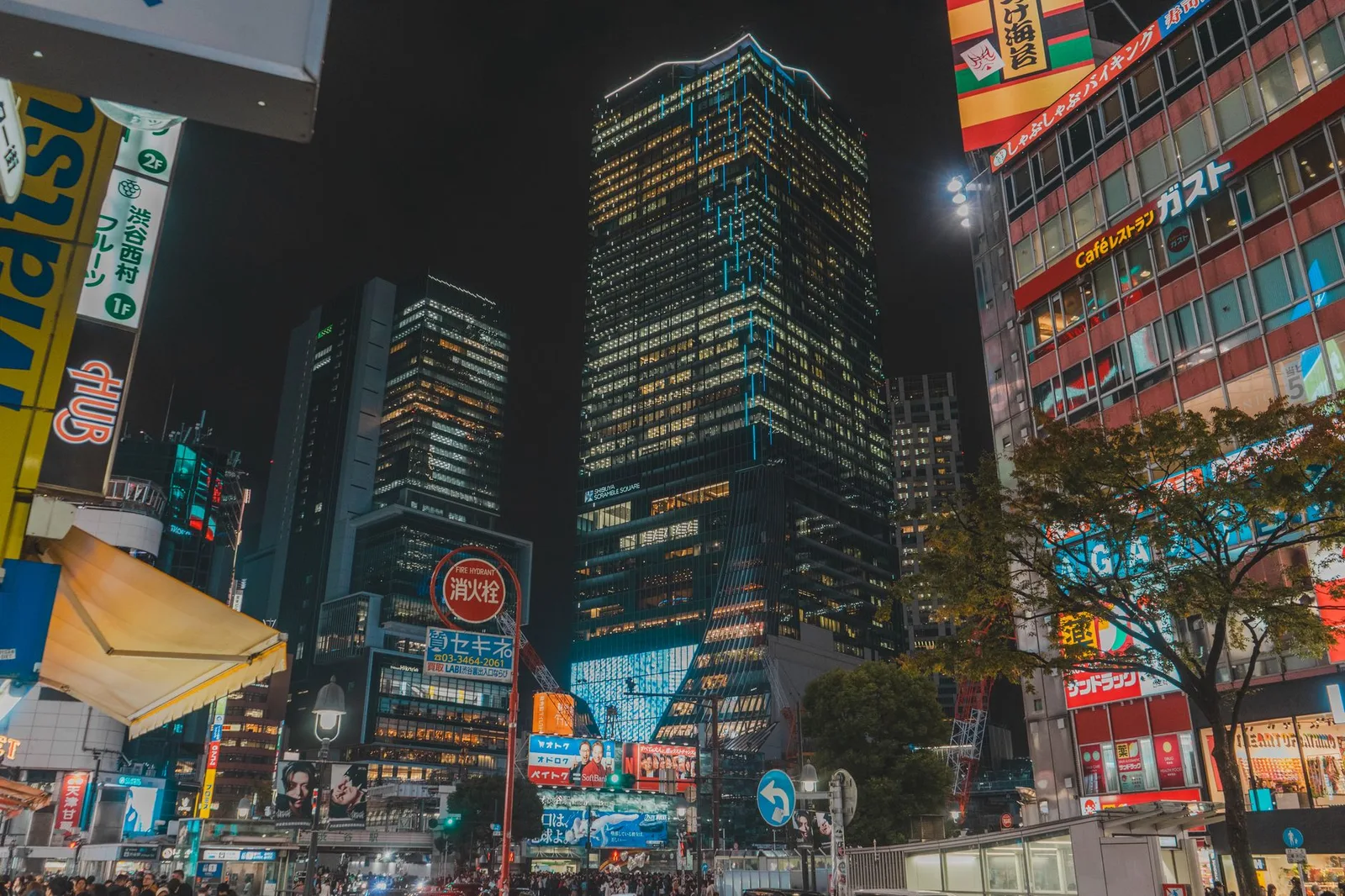
A first-timer guide to Tokyo: the neighborhoods that matter, how to ride the trains, the sights worth your time and the ones you can skip, plus food, nightlife and day trips.
Tokyo has no centre and no single character: what each of the main districts is actually like, which ones reward a whole day, and which are twenty minutes and a photograph.
A canal lined with mechanical crabs and a running man sign, and underneath it the best street eating in Japan: what to order, where to stand, and the one rule not to break.
Japan's loudest, friendliest and least polished big city: what to see beyond the castle, why the food is the point, and how many nights it actually deserves.
A city rebuilt around a memorial and an island with a torii standing in the sea: how to fit both into a day, and why the order matters more than the timetable.
Two religions, two sets of buildings and two sets of manners, visited by the same people on the same afternoon without anybody finding it strange.
One of the most straightforward countries in the world to travel with children, for reasons that have very little to do with the theme parks.
A small, long established community, synagogues in two cities, a food question that takes planning rather than luck, and a wartime history most visitors have never heard.
The northern mountain villages, the temples nobody queues for and the neighbourhoods that still feel lived in, plus how to fit them around the famous sights rather than instead of them.
What climbing Mount Fuji actually involves: the short official season, the four trails, the fee and hut system, altitude and cold at the summit, and an honest read on whether a first Japan trip is the time to attempt it.
How the six sumo tournaments work, why ringside seats are hard to get, what a tournament day actually feels like, and how to read a match once the wrestlers finally touch.
What Akihabara actually is, how the multi storey shops work, what gachapon and arcades ask of your coin pocket, and whether the electronics are still worth buying.
The old teahouse quarter of Kyoto, its lanes and canal, what a geiko and a maiko actually are, and the etiquette the district now enforces on its private streets.
The Studio Ghibli museum in Mitaka and the newer Ghibli Park near Nagoya both sell timed tickets in advance only, nothing at the door, so here is how the two differ and how to actually get in.
Four hundred metres of covered lane a block off Shijo, over a hundred shopfronts, and one point of etiquette that catches out almost every first time visitor.
A preserved Edo-era merchant town and a living village of steep thatched farmhouses in the Japanese Alps, with how to get between them, what to eat, and whether to stay the night.
Tokyo Disneyland and Tokyo DisneySea are two very different parks on one ticket. How to choose between them, how the ticketing and paid queue skipping system works, and how to plan a day that will not wreck you.
A couple of hours north of Tokyo: a UNESCO shrine complex carved with gilded ornament, a red sacred bridge, and a caldera lake with a waterfall above it, doable as one long day.
An hour from Tokyo, the medieval capital sits between wooded valleys and the sea, with temples in the hills, a small railway along the coast and surfers on the sand.
Rooms of projected light you walk through, with water underfoot and mirrors on every surface: what the two Tokyo venues are, how they differ, and what to wear.
How to do Kyoto without the crowds swallowing you: the temples worth your time, the geisha district of Gion, a day-by-day plan, and the etiquette to get right.
Kyoto's western hills hold a bamboo path that is famous and short, a monkey mountain, a river of boats and a temple garden that has been unchanged since the fourteenth century.
Kyoto has around sixteen hundred temples and you will see six: which six, why the torii tunnel needs a dawn start, and how to avoid the two hour bus queue.
Japan's first permanent capital, forty minutes from Kyoto or Osaka, with a bronze Buddha in the largest wooden building of its kind and twelve hundred bowing deer.
Probably the easiest country in the world to travel solo, and built for it in ways that are not accidental, because a great many Japanese people eat and travel alone too.
A small, long established community, synagogues in two cities, a food question that takes planning rather than luck, and a wartime history most visitors have never heard.
Where to actually eat around Tokyo, the Tsukiji versus Toyosu split explained, the market under the tracks in Ueno, and the department store basements most visitors never find.
Four hundred metres of covered lane a block off Shijo, over a hundred shopfronts, and one point of etiquette that catches out almost every first time visitor.
Wagyu is the breed, Kobe is a brand, and A5 is not automatically the best meal. How Japanese beef grading works, the regional names worth knowing, and how to eat it well without the dinner bill.
Why you never go hungry in Japan: what to buy at each of the three big chains, the onigiri and sandwiches worth knowing, the hot counter, and the ATMs that take foreign cards.
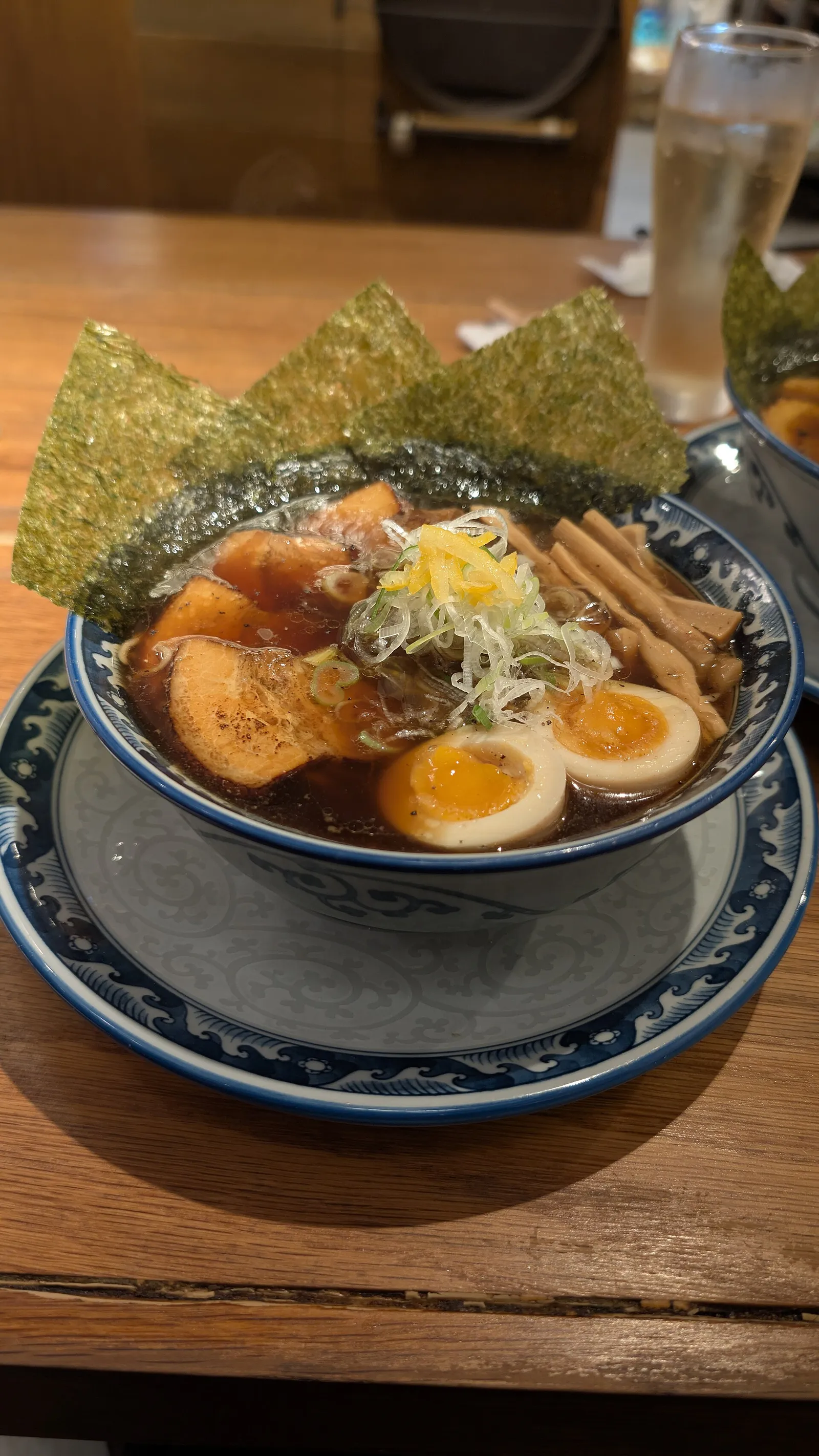
One dish and dozens of versions: tonkotsu in the south, miso in the north, shoyu in Tokyo, how to order from a ticket machine, and the etiquette of a counter you eat at alone.
The four tiers of sushi in Japan: the conveyor belt for a cheap fast meal, the standing bar, the neighbourhood shop and the counter omakase, with what to order and how to behave at each.
The city with more restaurants than anywhere on earth is also the easiest to eat badly in: how to read a Tokyo restaurant, what needs booking, and what does not.
What to eat in Japan and how to eat it: sushi and conveyor belts, ramen, izakaya, convenience-store gold, plus the table manners and ordering tricks that make it all easy.
A canal lined with mechanical crabs and a running man sign, and underneath it the best street eating in Japan: what to order, where to stand, and the one rule not to break.
How karaoke really works in Japan: renting a private room by the hour, what nomihodai buys you, finding English songs, box etiquette and why going alone is normal.
Osaka nightlife guide: Dotonbori neon, Namba and Shinsaibashi bars, izakaya cover charges, last trains and rough prices for a round in Japan's loudest food city.
Six seat bars in a wooden alley, standing bars under the tracks, karaoke boxes and a district that never closes: how a Tokyo night works and when it stops.
How the sakura forecast works, what kaika and mankai actually mean, roughly when each region blooms, and why the booking decision has to be made long before the first forecast appears.
Why many hot springs still refuse tattooed bathers, how to find the ones that do not, when cover stickers are worth trying, and the private bath options that sidestep the question entirely.
Why skiers fly across the world for Japan's powder, how Hokkaido, Honshu and Tohoku resorts differ, what a ski trip costs next to the Alps, and the onsen ritual that finishes every good day on snow.
What climbing Mount Fuji actually involves: the short official season, the four trails, the fee and hut system, altitude and cold at the summit, and an honest read on whether a first Japan trip is the time to attempt it.
Japan's northern island, where the snow is the lightest on earth, the summer is cool and dry, and Sapporo eats better than cities twice its size.
Okinawa sits closer to Taipei than to Tokyo: white sand, coral reefs, a separate island culture and a long swimming season, plus how many days it honestly deserves.
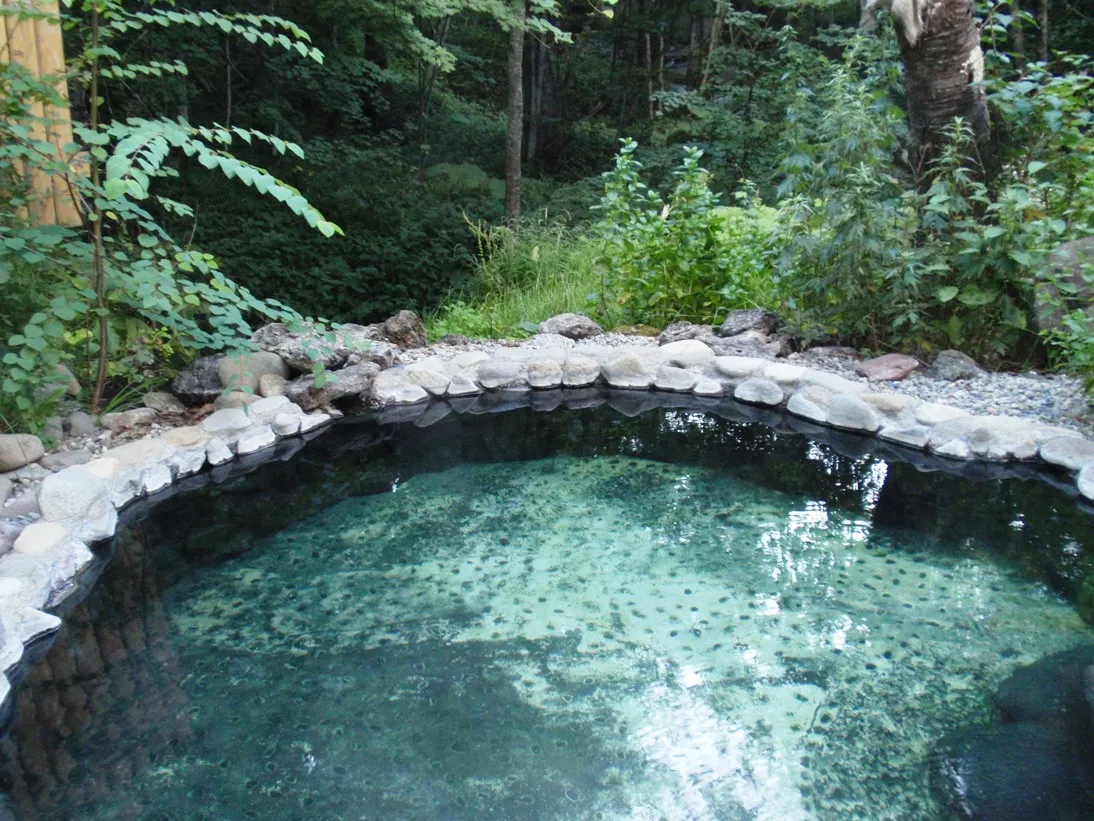
How onsen actually work: the washing ritual before you get in, the small towel, the tattoo question, what a ryokan night involves, and how to find a bath you can have to yourself.
Koyo runs from the northern mountains in September to the southern cities in December, lasts longer than the cherry blossom and is arguably more beautiful.
A tatami room with no bed in it, a bath everyone shares, a dinner of fourteen small dishes and a robe you are expected to wear to it: how a night in a Japanese inn works.
Fuji is visible far less often than the photographs suggest: where to stand, which months actually work, and what to do with the lakes when the mountain refuses to appear.
Ninety minutes from Tokyo: a volcanic valley you tour by switchback railway, cable car, ropeway and pirate ship, with Mount Fuji at the end of it if the weather agrees.
Where to base yourself in Tokyo: the best neighborhoods for first-timers, nightlife and families, plus how ryokan, business hotels and capsule pods compare and who each suits.
A tatami room with no bed in it, a bath everyone shares, a dinner of fourteen small dishes and a robe you are expected to wear to it: how a night in a Japanese inn works.
Japan drives on the left, the tolls are expensive, and the permit that works almost everywhere else is not the one Japan accepts from every country. Sort that before you book.
The national pass is the famous one and it is frequently the wrong purchase. The regional passes are cheaper, narrower and better matched to how most people actually travel.
The pass got much more expensive and for many itineraries it no longer pays: how to do the arithmetic in ten minutes, which trips still justify it, and what to buy instead.
The tap card that runs the country: what it covers beyond trains, the digital version that solved the card shortage, how to top up, and whether the regional cards differ.
Every way from Narita and Haneda into Tokyo compared: N'EX, Keisei Skyliner and highway buses from NRT, the Monorail, Keikyu line and limousine bus from HND, with prices, times and honest advice.
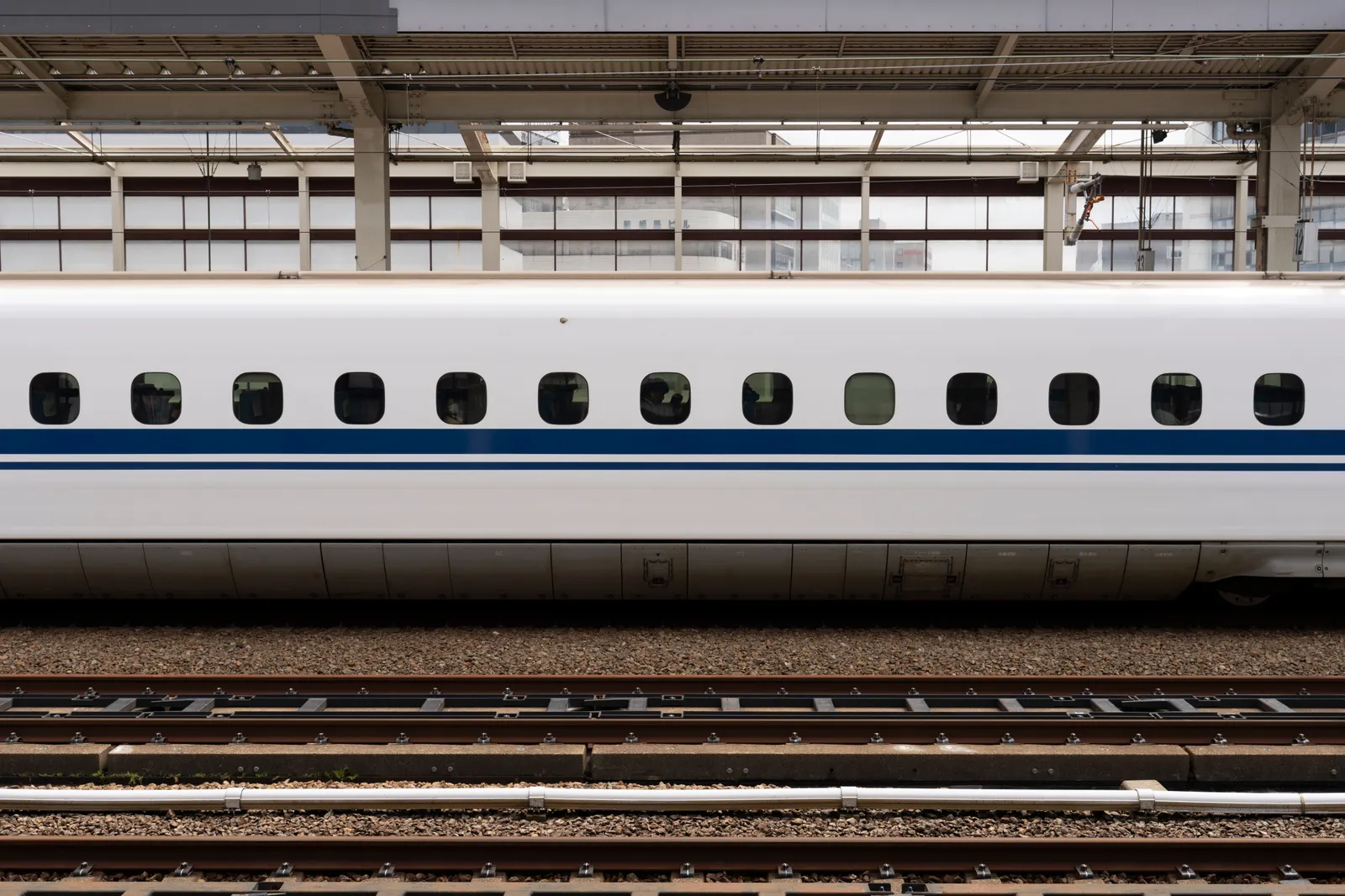
How Japan travel actually works: the shinkansen bullet trains, IC cards like Suica and Pasmo, the metro, and the honest math on whether the JR Pass is worth it for your trip.
Three periods when the whole country travels at once, trains sell out months ahead and prices rise. Here is roughly when they fall and what to do about them.
A country with contactless everywhere and a stubborn cash habit underneath it, where the machine that takes your card is in the convenience store rather than the bank.
The national pass is the famous one and it is frequently the wrong purchase. The regional passes are cheaper, narrower and better matched to how most people actually travel.
Two religions, two sets of buildings and two sets of manners, visited by the same people on the same afternoon without anybody finding it strange.
Why many hot springs still refuse tattooed bathers, how to find the ones that do not, when cover stickers are worth trying, and the private bath options that sidestep the question entirely.
How karaoke really works in Japan: renting a private room by the hour, what nomihodai buys you, finding English songs, box etiquette and why going alone is normal.
Wagyu is the breed, Kobe is a brand, and A5 is not automatically the best meal. How Japanese beef grading works, the regional names worth knowing, and how to eat it well without the dinner bill.
Why you never go hungry in Japan: what to buy at each of the three big chains, the onigiri and sandwiches worth knowing, the hot counter, and the ATMs that take foreign cards.
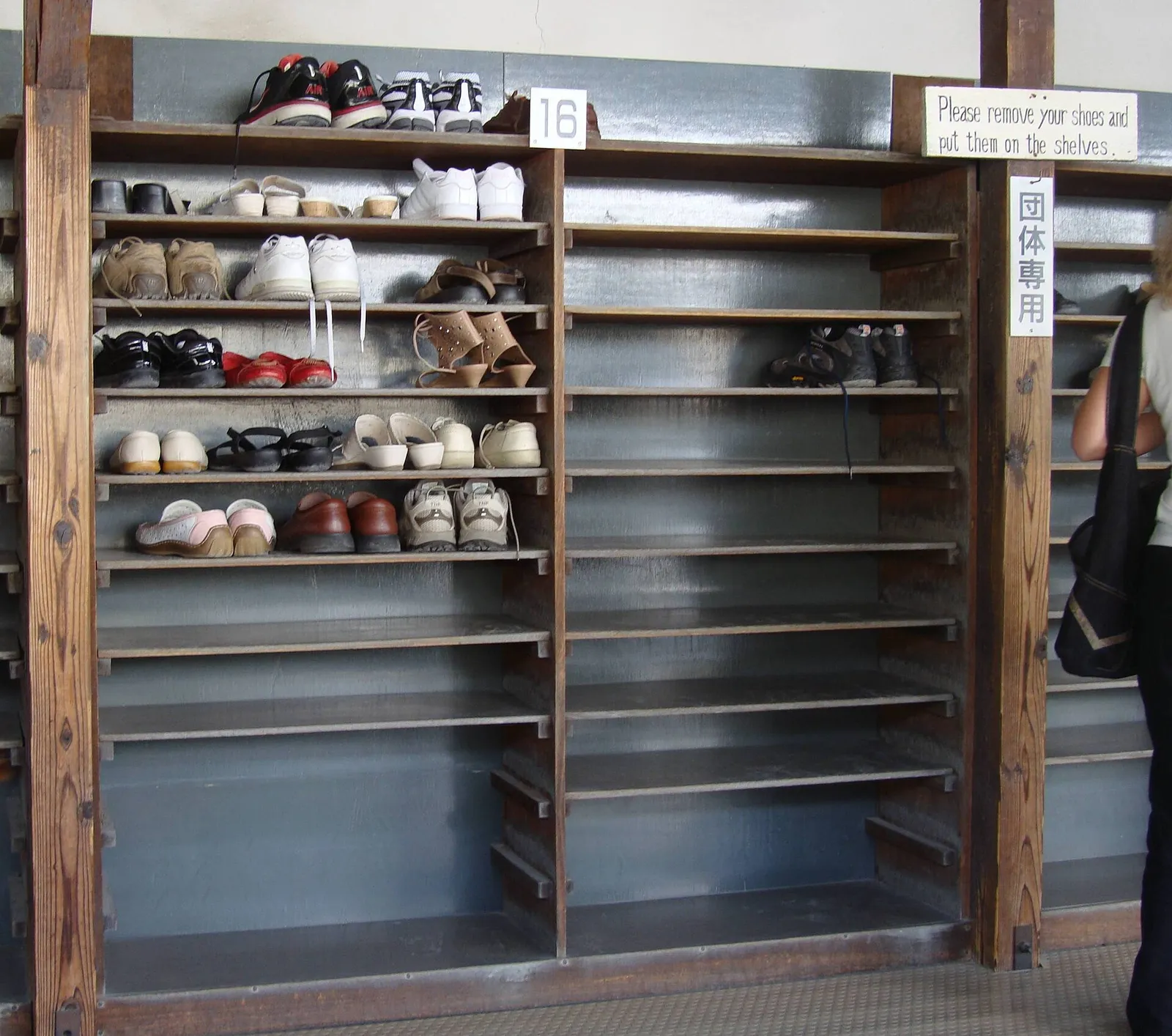
The Japanese manners a visitor genuinely needs: shoes, chopsticks, trains, queues, cash trays, temples and tipping, plus the ones you can safely ignore.
How onsen actually work: the washing ritual before you get in, the small towel, the tattoo question, what a ryokan night involves, and how to find a bath you can have to yourself.
The tap card that runs the country: what it covers beyond trains, the digital version that solved the card shortage, how to top up, and whether the regional cards differ.
Japan has a reputation for being expensive and is cheaper than most of western Europe for food and transport: where the money really goes, and where it does not.
The site has 68 guides covering all of Japan: Tokyo, Kyoto and Osaka, temples and onsen, the JR Pass and getting around, food and restaurants, cherry blossom season and practical info. They are updated regularly.
Start with the general planning guide and "when to visit Japan", then move on to the city guides for Tokyo and Kyoto, the JR Pass guide, and the ready-made itinerary that matches the number of days you have.
It depends on your route. If you are hopping between several far-apart cities (Tokyo, Kyoto, Osaka, Hiroshima) by bullet train, the JR Pass usually pays off. For a trip focused on one city it is less worthwhile. The dedicated guide has a decision calculator.
Yes, especially in the cities and tourist areas: there is English signage on trains and at sights, and translation apps help a lot. A few Japanese words and a transit card (Suica or Pasmo) will make the experience even smoother.