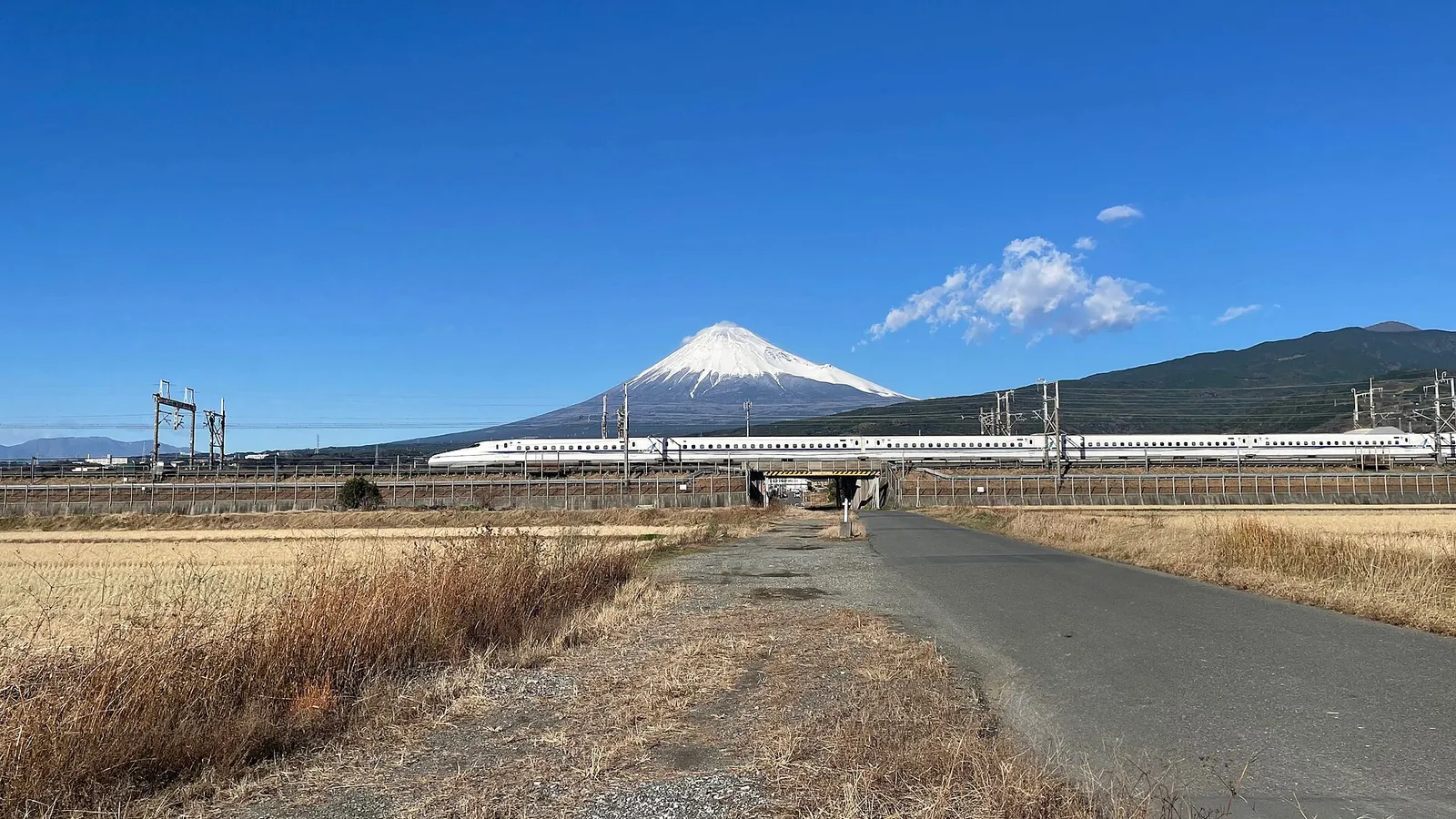
Japan’s railways were broken up into regional companies decades ago, and one consequence is that there is not one rail pass, there are dozens. The national pass is the one everybody has heard of, and after a large price rise it is no longer the automatic answer it was for twenty years. The regional passes are the part of the system most visitors never look at: cheaper, narrower, and matched to the way most trips are actually shaped, which is a fortnight spent in one or two parts of a long country rather than crossing it repeatedly.
How the regional passes work
One company, one area, a fixed number of days, with unlimited travel on that company’s lines inside it.
Far cheaper than the national pass, frequently by a factor rather than a margin.
Several per region, with a wide version and a narrow one, so the choice is not just which region.
Consecutive or flexible days depending on the pass, and the flexible ones suit a base and day trip pattern.
Foreign passport holders only for many of them, which is checked at collection.
Bought online ahead or at major stations, and the advance price is often lower.
The main areas, in broad terms
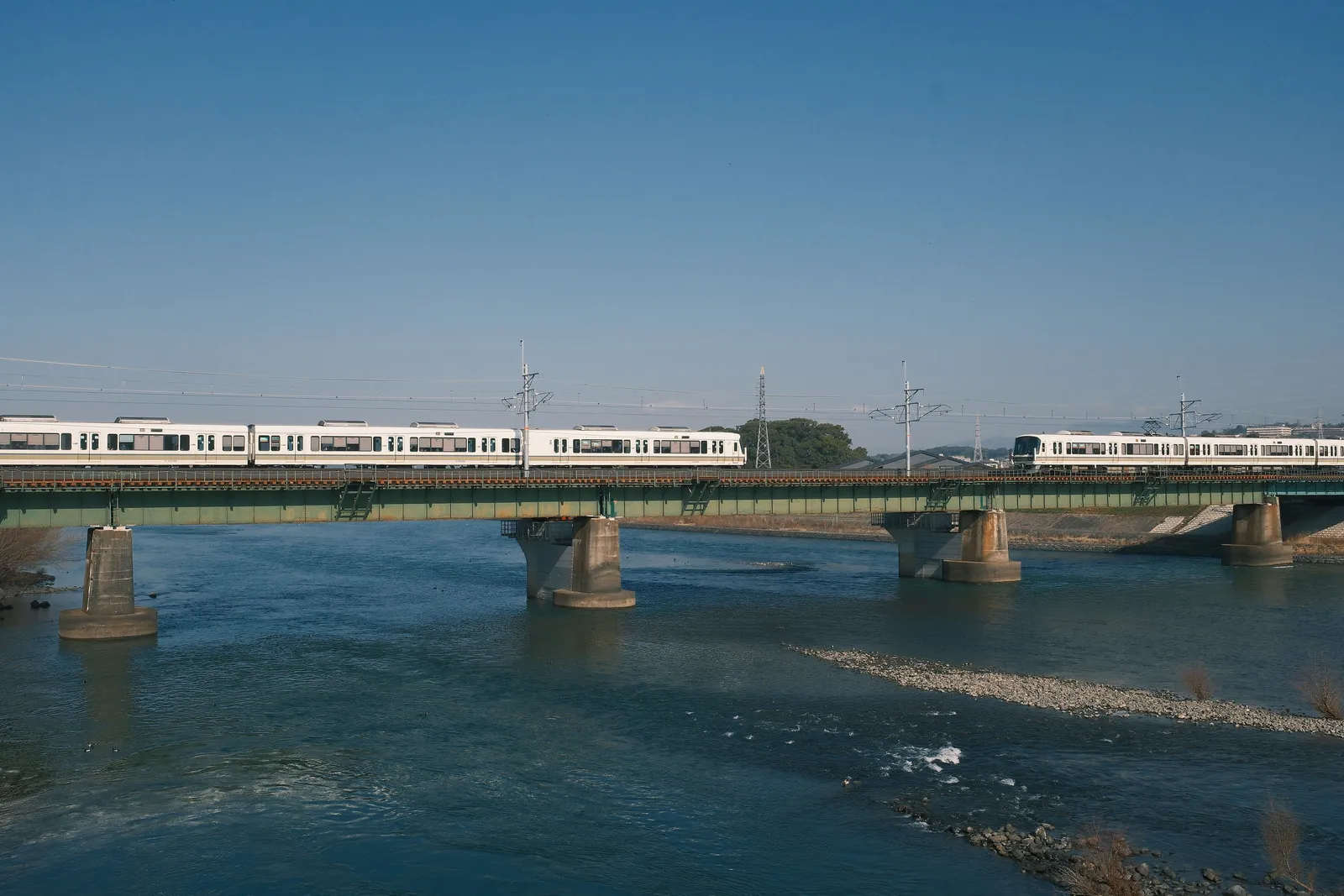
Kansai and the west, covering the Kyoto, Osaka, Nara and Hiroshima side of the country in several widths.
The east and the north, covering the Tokyo area outward towards Tohoku, Nikko and the north.
Hokkaido, where distances are large and the case for a pass is strongest.
Kyushu, with a whole island and a northern half version.
Shikoku, small, cheap and the least used of them.
Central Japan, covering the Alps, Takayama and the Nagoya region.
When a regional pass is clearly right
A fortnight in one region, which is the case it was designed for.
Hokkaido or Kyushu, where the distances are long and the alternatives are thin.
A base and day trips pattern, particularly with a flexible day pass.
A second trip, when the famous corridor is already done and the plan is one area properly.
Two passes in sequence, for a trip in two halves with one paid journey between them.
When no pass is right
A short trip in one city, where local fares are small and an IC card covers everything.
A trip with one long journey, where a single reserved ticket is simply cheaper.
A trip built around flights, since domestic air fares are competitive on the longest routes.
A slow trip, where the point is to stay put, which is a better holiday and a worse pass case.
Practical notes
Reserve seats anyway, which passes usually allow at no extra cost and which matters in peak weeks.
Passes rarely cover the private railways, and several of the most useful lines in tourist areas are private.
Check the specific train, because a service that looks like it belongs to the company may be operated jointly.
Local subways are usually excluded, so an IC card is still needed alongside any pass.
Activation date matters on consecutive day passes, and starting one on an arrival day wastes it.
Luggage rules apply on the fastest lines, where oversized cases need a reserved space booked ahead.
Where this fits in a Japan trip
As a decision made once, at the planning stage, after the route is fixed and before anything is bought.
For the national pass and whether it still pays after the price rise, our guide to whether the Japan Rail Pass is worth it has the arithmetic.
For the trains, buses and flights that make up the rest of the network, our guide to getting around Japan covers the system.
And for the card that handles every local journey a pass does not, our Suica and IC card guide explains it.
The short version
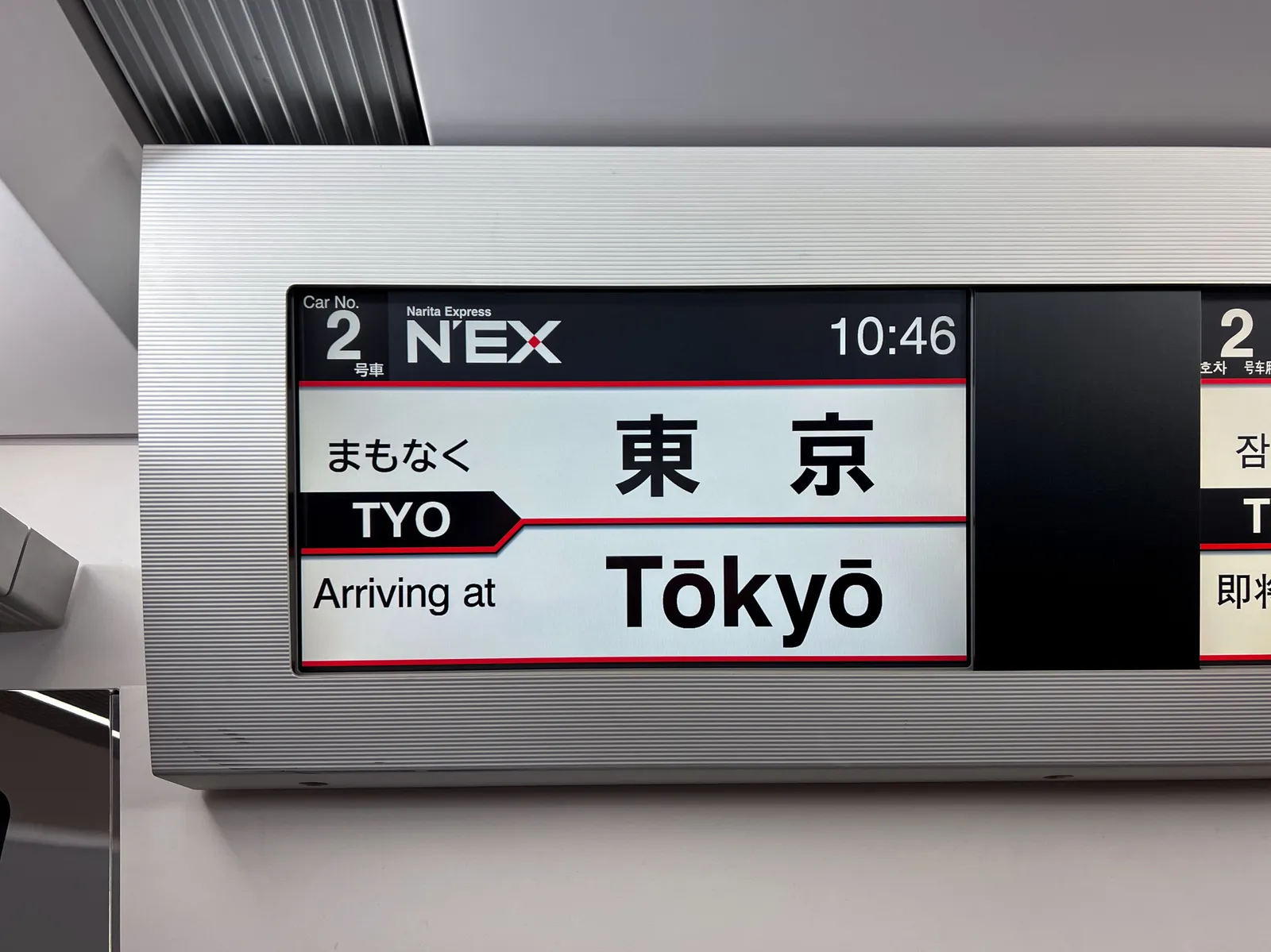
Do not buy a pass first and plan around it. Write down the long journeys your trip requires, price them individually, and compare that total against both the national pass and the regional pass covering your area. A first trip on the Tokyo to Kyoto corridor frequently comes out cheapest on individual tickets. Two weeks in Hokkaido, Kyushu or Kansai frequently comes out cheapest on a regional pass, at a fraction of the national price. Two regional passes in sequence with one paid journey between them is a real option and almost nobody considers it.