The honest answer to “when should I visit Japan?” is that there is no bad time, only different trips. Spring hands you the cherry blossoms and autumn the burning maples, but those headline seasons also bring the crowds and the highest prices. The quiet shoulders trade the postcard flowers for elbow room and lower bills. And winter, so often overlooked, may be the most underrated season of all. Here is how the year actually plays out, so you can match the season to the trip you want.
Spring: cherry blossoms and their timing
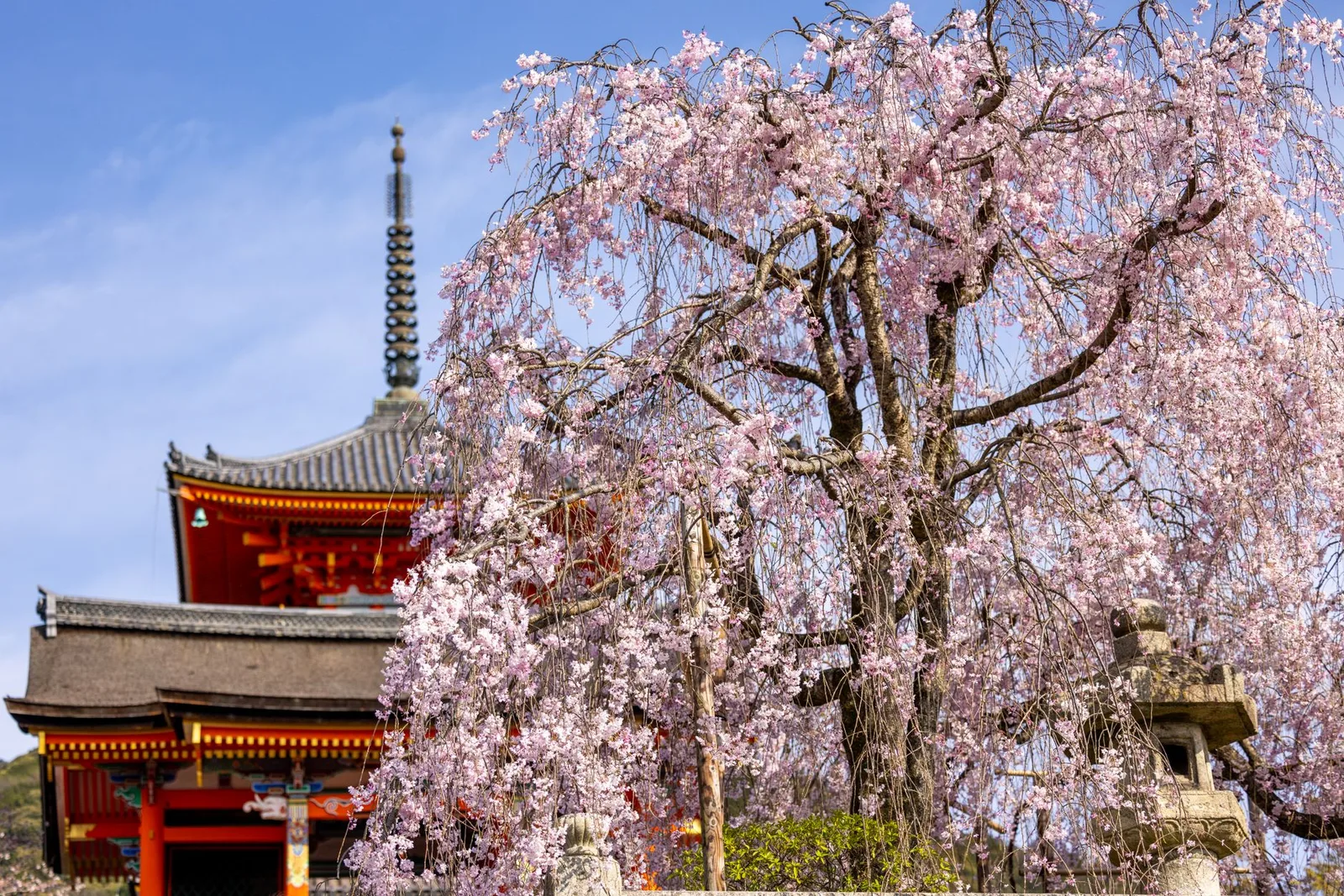
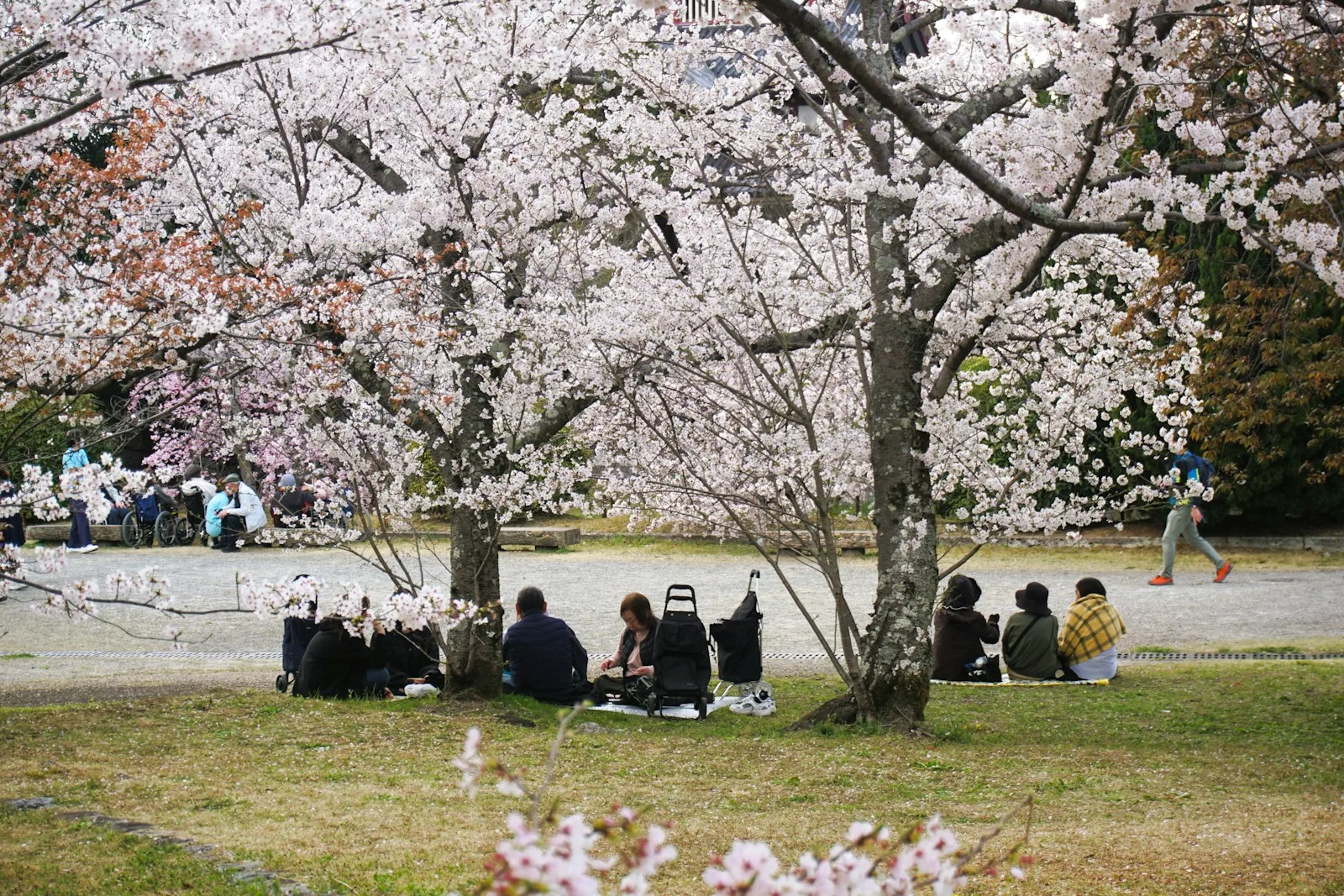
Spring is the season everyone dreams of, and for good reason: the sakura, cherry blossoms, wash the country in pink and turn ordinary parks and canals into something out of a painting. In Tokyo and Kyoto the bloom lands roughly late March to early April, but the exact peak shifts by a week or two each year with the weather, so it can never be booked to the day. Forecasts are published from winter onward and refined through spring, and you plan around them rather than pinning them down.
Two things to know. First, full bloom lasts only about a week, so build flexibility into your dates and do not stake the whole trip on one park on one afternoon. Second, the blossom front moves north as spring advances, so if you miss the peak in the center you can chase it upward, reaching northern Tohoku in April and Hokkaido as late as early May. Spring is glorious, and it is also the busiest and priciest window of the year, so book flights and hotels as far ahead as you can.
Autumn: the other great season
If spring is loud, autumn is the connoisseur’s pick, and many seasoned travelers quietly prefer it. Through November, the maples in Kyoto and across central Japan turn crimson and gold, temple gardens blaze, and the weather is at its finest all year: crisp, clear and comfortable, with none of summer’s sticky heat. The color, like the blossoms, arrives earlier in the northern mountains and later in the south, so there is a wide window to catch it somewhere.
Autumn is nearly as popular as cherry-blossom season, so it is not a crowd-free secret, and the top temple gardens get busy at their peak. But the reliable weather and the sheer beauty make it, for many people, the single best time to visit Japan. Book ahead just as you would for spring.
Summer: heat, festivals and the high ground
Summer is the season to approach with a plan. June and into July bring the rainy season across much of the country, and July and August turn hot and genuinely humid, which is hard going for long days of city sightseeing. This is not the season for marathon temple-hopping in Kyoto.
But summer has real magic if you play it right. It is the season of fireworks festivals and lively neighborhood matsuri, with people in cotton yukata and food stalls everywhere. And the escape valves are wonderful: the mountains stay cool, and the northern island of Hokkaido enjoys mild, dry weather, lavender fields and superb hiking while the rest of the country swelters. Go north or go high, and summer becomes a pleasure.
Book seasonal experiences aheadBlossom viewings, autumn tours and summer festivals fill up fast in peak weeksWinter: the underrated season
Winter deserves far more love than it gets. In the cities, December to February is cold but often clear, bright and dry, with the year’s lowest prices and lightest crowds once the New Year holiday passes. The air is so clean that Mount Fuji is at its most visible, and illuminations light up the towns.
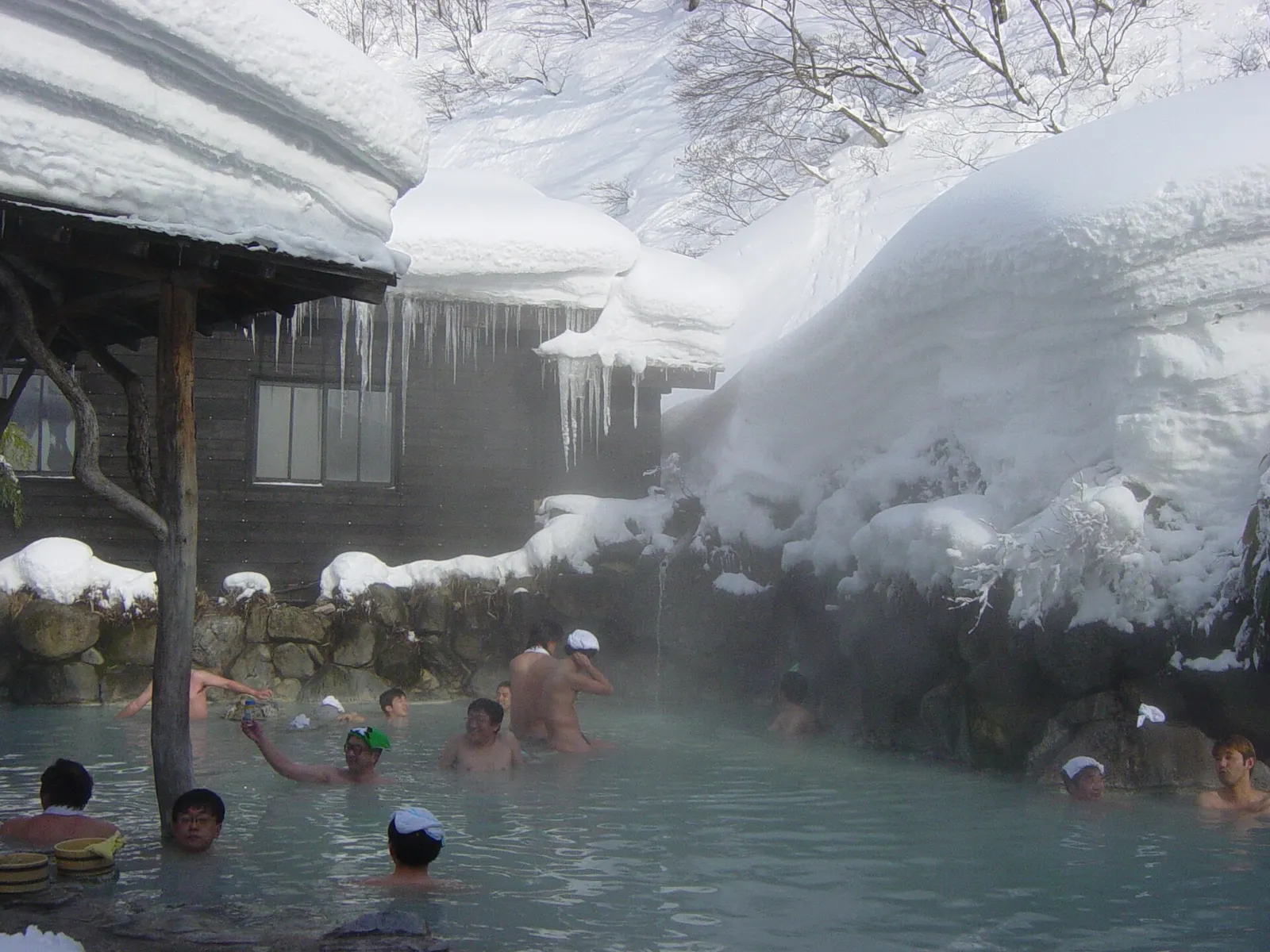
Head for the mountains and winter turns spectacular. Japan gets some of the best, most reliable powder snow on earth, and the ski resorts of Hokkaido and the northern Alps are world class. Best of all is the combination unique to the season: soaking in a steaming outdoor onsen while snow falls silently around you. Just plan around the busy New Year period in late December and early January, when the country travels and many businesses close.
The crowds and prices to plan around
Whenever you go, steer clear of Japan’s three big domestic travel crunches if you can, because prices spike and everything fills up. New Year, the last days of December into the first week of January. Golden Week, a cluster of national holidays in late April and early May. And Obon, in mid-August. During these weeks trains, hotels and flights are packed and dear, and many local businesses close. If your dates are flexible, travel just before or after them for a far smoother, cheaper trip.
The shoulder-season sweet spot
For the best balance of good weather, fair prices and manageable crowds, aim for the shoulders: late May and June before the summer heat (and before the rains fully set in), or early October before the autumn-leaf rush. You give up the pink and the crimson, but you gain mild days, big skies, easier bookings and the famous sights without the crush. For many first-timers who care more about the country than a specific flower, these quieter months are the real sweet spot.
The year at a glance
Seasons describe the mood, but trips are booked by month, so here is the same picture in the form people actually plan in.
| Month | What it is like | Worth knowing |
|---|---|---|
| December to February | Cold, often clear and dry in the cities | Best prices, powder snow, avoid the New Year week |
| March | Chilly turning mild, blossom anticipation | Late March is the start of the peak in the centre |
| April | The blossom peak, then fresh green | Golden Week begins at the very end of the month |
| May | Mild, bright, one of the loveliest months | Golden Week at the start, quiet and excellent after it |
| June to July | Rainy stretch, then heat and humidity | Hydrangeas, fewer visitors, go north or high |
| August | Hottest and most humid, festival season | Obon crowds mid-month, typhoon risk rising |
| September | Heat easing, storm season at its peak | Prices soften, plans need slack |
| October | Crisp and clear, colour starting in the north | The best shoulder month of the year |
| November | The autumn-leaf peak in Kyoto and the centre | Superb weather, book well ahead |
Read it against the country’s length rather than instead of it. A June trip to Hokkaido and a June trip to Kyoto are two different holidays.
Season by region, not just by month
Japan runs roughly three thousand kilometres from the subarctic north to the subtropical south, which means the national forecast is almost meaningless for planning.
Hokkaido is the summer answer and the ski answer: mild and dry in July and August when the rest of the country is heavy with humidity, and deep in reliable powder from December. The Japan Alps do the same job for a shorter trip, offering cool air within a few hours of the big cities.
Okinawa and the southern islands run on their own calendar entirely, staying warm through winter and giving Japan a genuine beach season that has nothing to do with the rest of the country.
Tokyo, Kyoto and Osaka, where most first trips concentrate, sit in the middle and get the full four-season swing: cold clear winters, a spectacular spring, a punishing summer and a beautiful autumn. If your itinerary is that central belt, plan for those extremes rather than an average.
Packing for the season you chose
Japan makes packing easy in one respect, since almost anything you forget can be bought, and hard in another, since larger Western sizes in clothing and shoes are not always easy to find.
Winter wants proper layers rather than one heavy coat, because buildings and trains are warm and the streets are not, plus shoes with grip if snow is on the itinerary. Spring and autumn want layers again for the same reason, with a light waterproof. Summer wants the lightest, most breathable clothes you own, a hand towel, which is a genuinely local habit given many washrooms have no dryer, and sun protection. And all year round it wants shoes you can slip off easily, because temples, ryokan and some restaurants will ask, and laces get old fast.
Fitting the season to the trip
The season should shape the route, not just the wardrobe.
If this is a first visit, the shoulder months make the classic Tokyo, Kyoto and Osaka route far more comfortable than the extremes do, and our first-time guide to Japan sets out what a sensible first itinerary looks like around them.
If you are travelling in summer or winter, the choice of base matters more than usual, since the difference between cities is real in a humid August and a cold February. Our comparison of Tokyo and Osaka weighs the two, which is the decision most short trips come down to.
And whatever the month, save the local emergency numbers to your phone before you fly. Japan is one of the safest countries in the world to travel in, and the reason to have them is weather and geology rather than crime: a typhoon warning or an earthquake alert is exactly the moment you do not want to be searching for a number.
Three periods deserve separate thought before anything else is booked, because the whole country travels at once: our guide to Golden Week, Obon and New Year covers what they do to trains, prices and opening hours.
The short version
Go in spring for the sakura or autumn for the maples if the crowds do not scare you, and book those weeks far ahead. Choose the shoulder months of late spring or early autumn for the best all-round balance, head north or high in summer to beat the heat, and do not overlook winter for clear skies, low prices, powder snow and snowy onsen. Avoid the New Year, Golden Week and Obon crunches, and whatever season you pick, Japan will find a way to be beautiful.