Japan sits on a volcanic archipelago, which has given it earthquakes, dramatic scenery and about three thousand hot spring resorts. Bathing in that water is not a spa treatment here, it is a national habit with a specific order of operations, and getting it slightly wrong is the most common way a visitor makes everyone uncomfortable without knowing it. The rules take four minutes to learn and the reward is one of the great experiences of travelling in Japan. Here they are.
What an onsen actually is
An onsen is a bath fed by naturally heated, mineral-rich water from a geothermal source. It is a legal definition rather than a marketing one: the water has to come out of the ground hot and carry a minimum mineral content.
A sento is a public bathhouse using ordinary heated water. Historically these were the neighbourhood baths for homes without one, and many survive in ordinary residential streets. The etiquette is identical; the water is the difference.
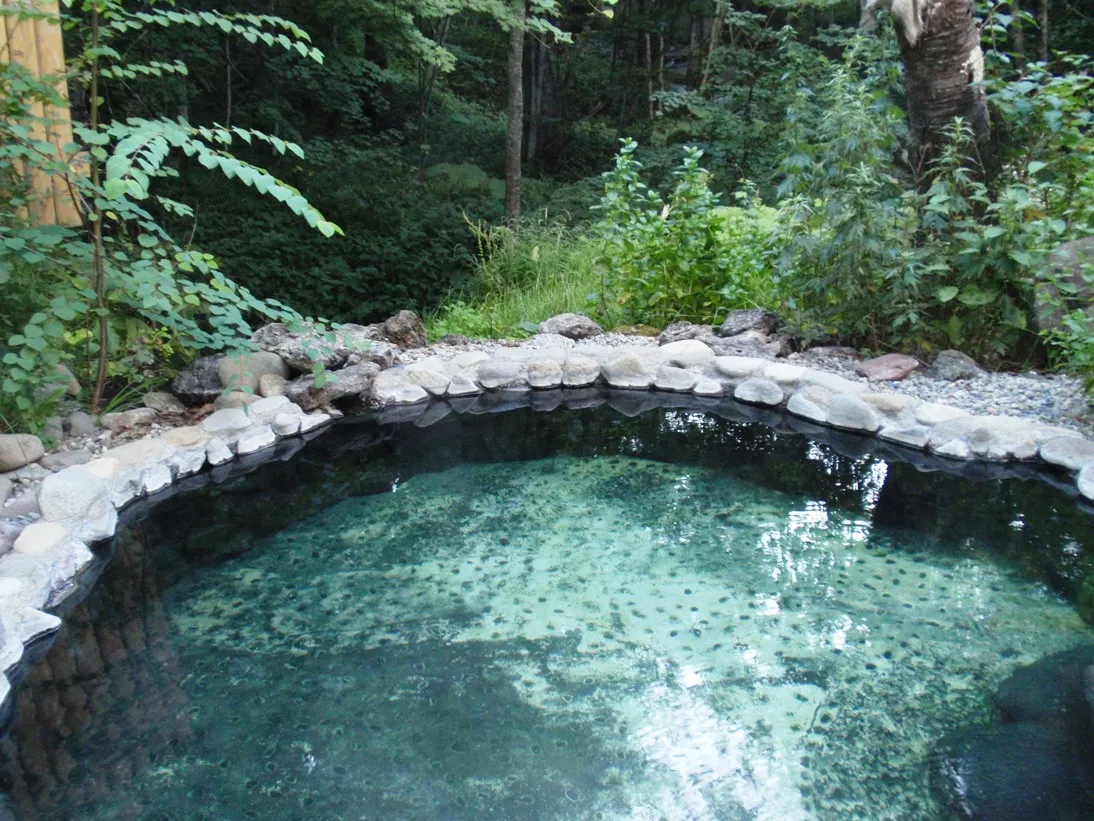
A rotenburo is an outdoor bath, and it is the one you are picturing: steam rising, rocks, trees, snow if you are lucky. Given the choice, take the outdoor one.
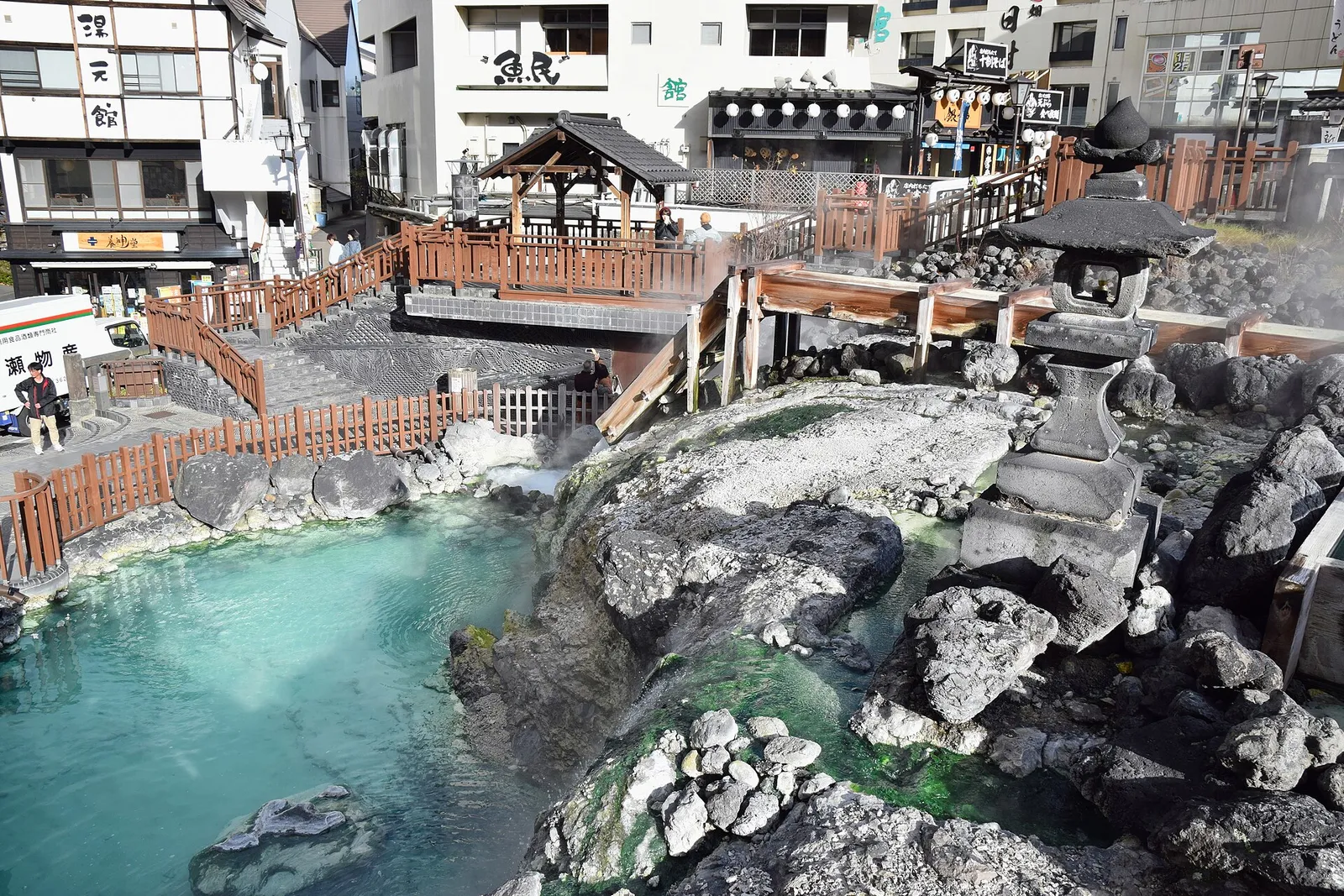
An onsen town is a place built around the water, where the streets steam, the baths are numerous, and guests walk between them in cotton yukata and wooden sandals. This is the version worth travelling for, rather than a bath attached to a city hotel.
The ritual, in order
This is the whole thing, and it is not complicated.
Undress completely in the changing room. Everything goes in the basket or locker. Baths are separated by gender, marked with curtains, and swimwear is not permitted anywhere in a traditional bath.
Take only the small towel. You will be given or can rent two: a large one that stays in the changing room to dry off with, and a small one that comes with you.
Wash before you enter. This is the part that matters. Sit on the stool at the washing station, use the soap, shampoo and shower provided, and clean yourself thoroughly, hair included. Rinse completely so no soap goes into the bath.
Enter slowly. The water is hotter than a Western bath, frequently much hotter, and easing in is both safer and expected.
Soak, do not swim. No splashing, no swimming, no diving, no loud conversation. The atmosphere is quiet.
Keep the small towel out of the water. Fold it on your head or set it on the rock at the edge. This is the visible visitor mistake.
Tie long hair up so it stays out of the water.
Afterwards, some people rinse and some deliberately do not, to keep the minerals on the skin. Either is fine. Dry off in the bathing area rather than dripping across the changing room.
The tattoo question, honestly
This is the single most asked question by foreign visitors and it deserves a direct answer.
Many traditional public baths still refuse entry to guests with visible tattoos, because of a long association between tattooing and organised crime in Japan. The rule is applied inconsistently: some places ban them outright, some ignore small ones, and a growing number advertise themselves as tattoo friendly, particularly in areas used to international visitors.
Four workable solutions, in order of reliability.
Book a room with a private bath. Many ryokan offer rooms with their own open-air bath, which removes the question entirely and is the best experience anyway.
Reserve a private bath by the hour, which most onsen properties offer, often called a family bath.
Choose a tattoo-friendly facility, which is now easy to search for in the main tourist regions.
Cover small tattoos with the skin-coloured patches sold for exactly this purpose.
What does not work is hoping nobody notices. Being asked to leave is a genuinely uncomfortable experience for everyone involved.
The ryokan night
For a large share of visitors, the onsen experience is bundled into a night at a ryokan, a traditional inn, and it is worth understanding that this is a package rather than a room.
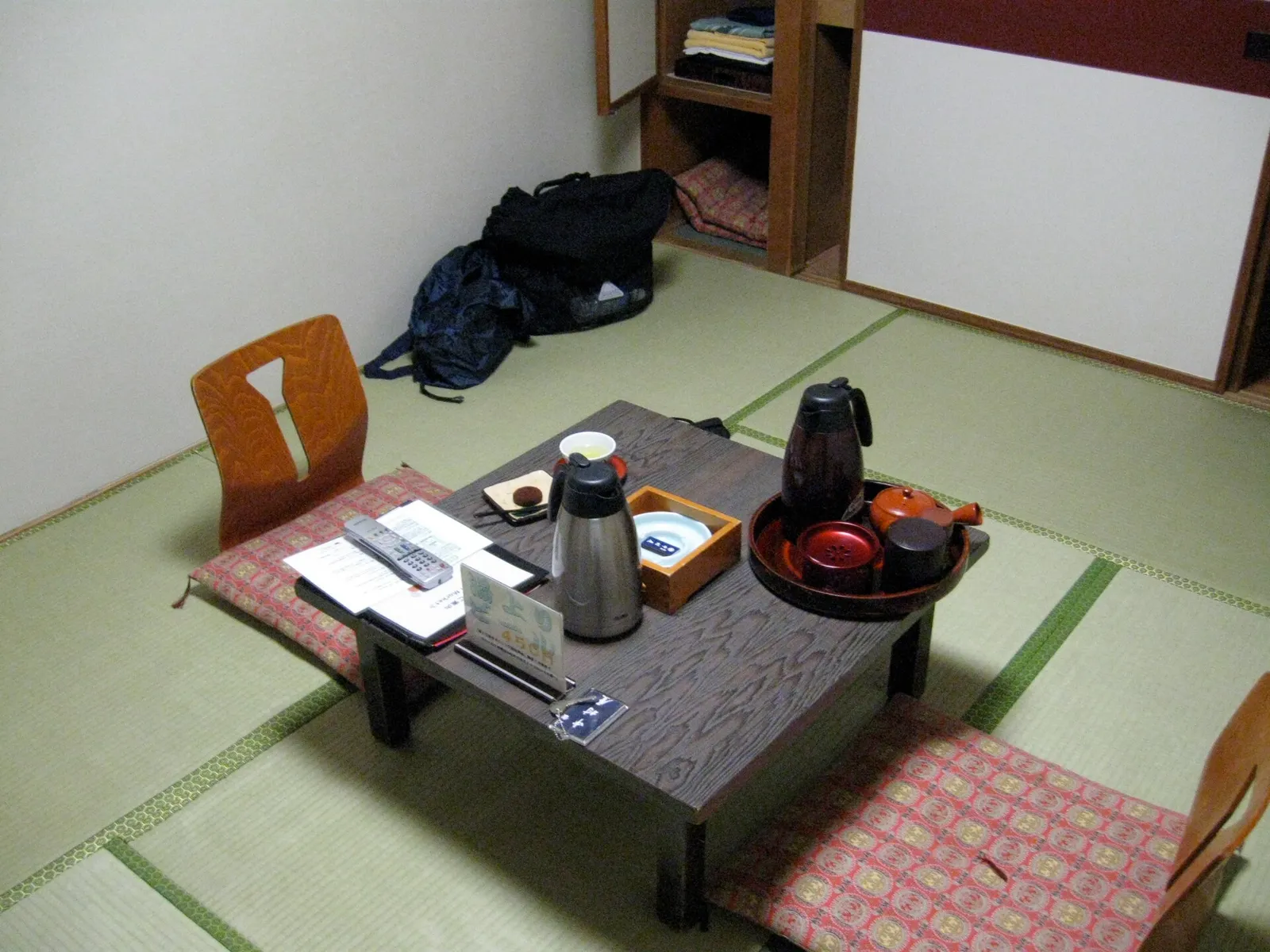
You arrive in the late afternoon, change into a yukata provided by the inn, and wear it for the rest of your stay including at dinner. Dinner is a multi-course meal of regional and seasonal cooking, usually served at a fixed early hour and often in your room or a private dining space. The bath happens before dinner, after dinner, or both. The futon is laid out on the tatami while you eat, so the room you left is not the room you return to. Breakfast is Japanese and substantial.
Two things surprise people. The timings are fixed, with dinner and breakfast at set hours and check-in earlier than a hotel, because the staff are cooking for you. And the price is per person including meals, not per room, which makes comparison with a hotel misleading until you account for two dinners and two breakfasts.
It is expensive by Japanese accommodation standards and it is the night people describe when they get home.
Where and when to go
Almost every region of Japan has hot spring towns, which means the practical question is not which is best but which sits on your route.
In the snow is the classic. An outdoor bath with snow falling into it is the single most photographed onsen experience and it is as good as it looks, which makes winter an underrated season for a Japan trip.
In the autumn, the baths in the mountain towns sit under the colour, and the good ryokan sell out months ahead for exactly those weeks.
In summer, the mountain and northern onsen are pleasant while the cities swelter, which is one of the better ways to structure a July or August trip.
Our guide to the best time to visit Japan sets out how the seasons work across the country, and the onsen answer is that they improve in exactly the months when the cities are least comfortable.
Where onsen etiquette sits in the wider set
The bath has the strictest sequence of anything a visitor will do in Japan, and it is not an outlier so much as the most concentrated example of the same principle that governs everything else here: do the preparation so the shared thing stays pleasant for everyone. Our guide to Japanese etiquette covers the rest, from shoes and trains to the payment tray, and the onsen rules make more sense once you have read it.
Practical things nobody mentions
The water is hot. Frequently around forty degrees and sometimes hotter, which is more than most Western baths. Ten to fifteen minutes at a time with breaks is normal, and standing up too quickly after a long soak makes people dizzy.
Do not bathe drunk. The combination of alcohol and very hot water is genuinely dangerous, and it is the most common cause of onsen accidents.
Hydrate, before and after. There is a reason every bathhouse sells cold drinks and milk at the exit.
Take off jewellery, since some mineral waters, particularly sulphurous ones, will tarnish silver permanently.
Do not photograph in the bathing area. Ever. This should not need saying and it does.
If you have a medical condition, particularly heart or blood pressure related, or if you are pregnant, the very hot water is a real consideration rather than a formality. This is also a good moment to know what your policy covers; our guide to travel insurance for Japan sets out what to check, and medical treatment for a visitor here is excellent and expensive.
Fitting an onsen into the trip
The mistake is treating it as a spa visit slotted between sights. It works best as a destination in its own right, one or two nights in a town where the water is the reason the town exists.
For a first trip built around Tokyo and Kyoto, the natural place for it is between the two, breaking the journey with a night in the mountains rather than adding a detour at the end when everyone is tired.
If your route runs through the Kansai region, the same logic applies: pick the onsen town that sits between your bases rather than the one with the best photographs, and keep the hot spring night somewhere in the middle of the trip rather than tacked onto either end. One thing to settle before you choose the town at all: many bathhouses still refuse tattooed bathers, and our guide to onsen with tattoos covers how to find the ones that do not and the private bath options that sidestep the question.
The short version
For a whole trip built around the water, our five days on the Izu peninsula is two hours from Tokyo and pairs the baths with a volcanic coast, a waterfall valley and the farms where real wasabi is grown.
Wash thoroughly before you get in, keep the small towel out of the water, do not swim, and enter slowly because it is hotter than you expect. Baths are single-sex and nude, and a private bath solves both the tattoo question and any shyness while giving you a better experience anyway. Book one ryokan night early, ideally in a proper onsen town rather than a city hotel, and go in winter if you can, because snow falling into an outdoor bath is the thing you will still be talking about years later.