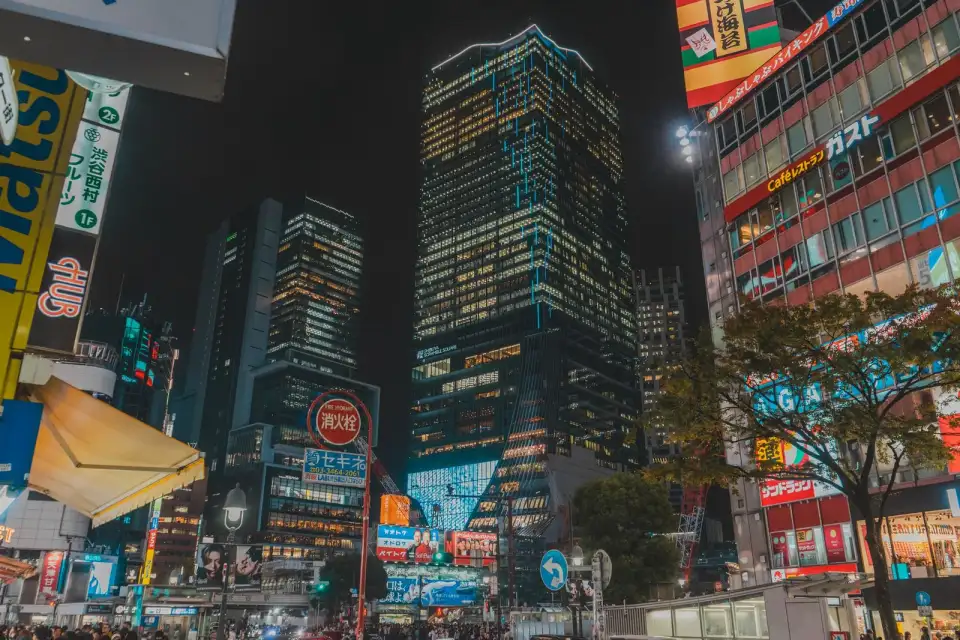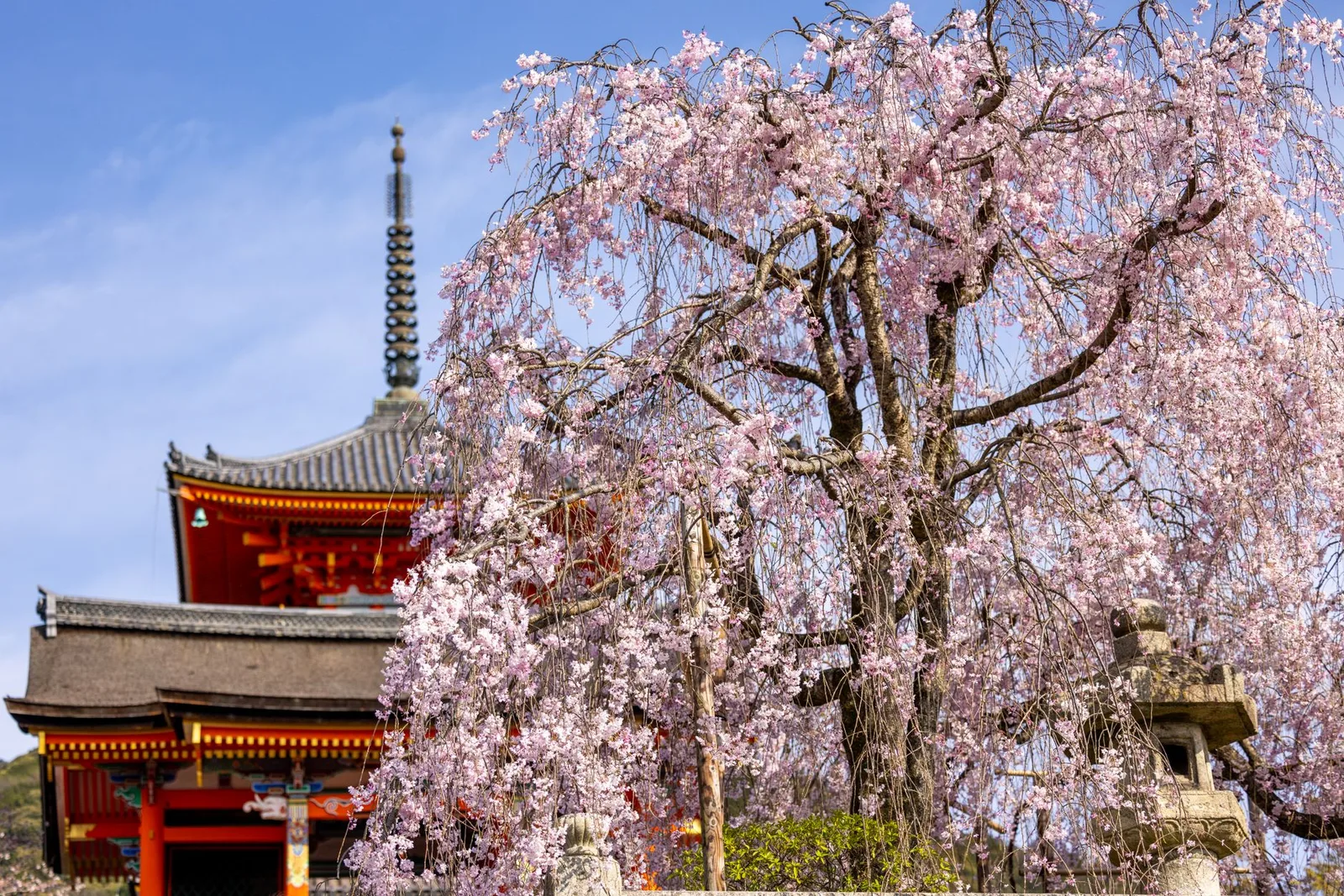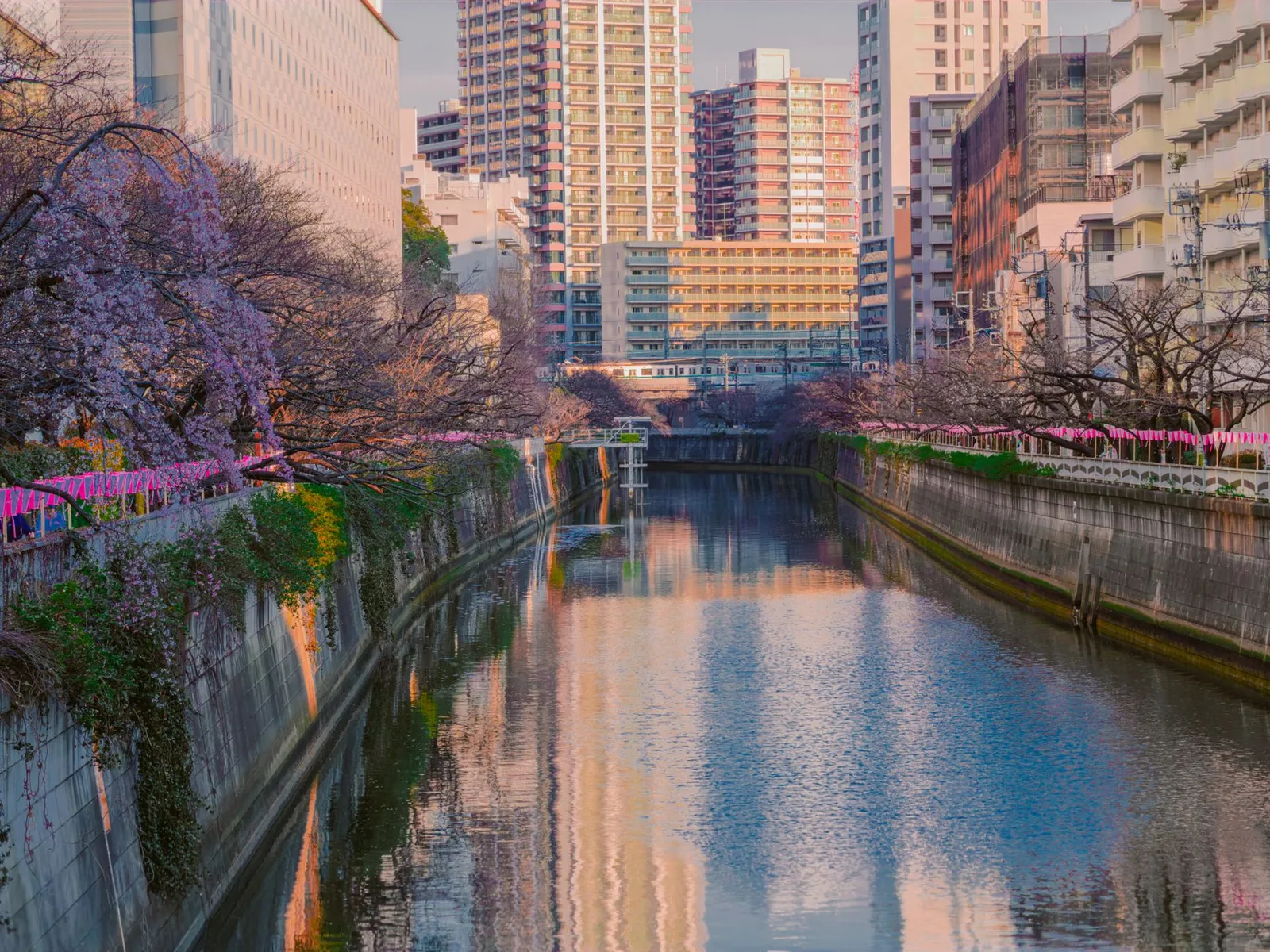
Japan takes its holidays collectively. Rather than spreading time off through the year, a large part of the country travels in the same three windows, and the effect on a visitor is out of proportion to the number of days involved: reserved seats gone, hotel rates doubled, expressways at a standstill, and the famous places carrying their annual peak. None of it makes the country less worth seeing. All of it makes a trip harder to run, and two of the three are avoidable with a fortnight’s shift in dates.
The three periods, roughly
Golden Week, a run of national holidays at the end of April into early May, whose exact length depends on which weekdays the dates fall on.
Obon, the ancestral summer period, generally around the middle of August, with the dates varying by region.
New Year, the days either side of the turn of the year, which is the largest family holiday of all.
All three move, which is why this article gives no fixed dates and you should check the calendar for your own year.
Two are avoidable by shifting a week or two, and the third is not if you travel at Christmas.
What actually changes
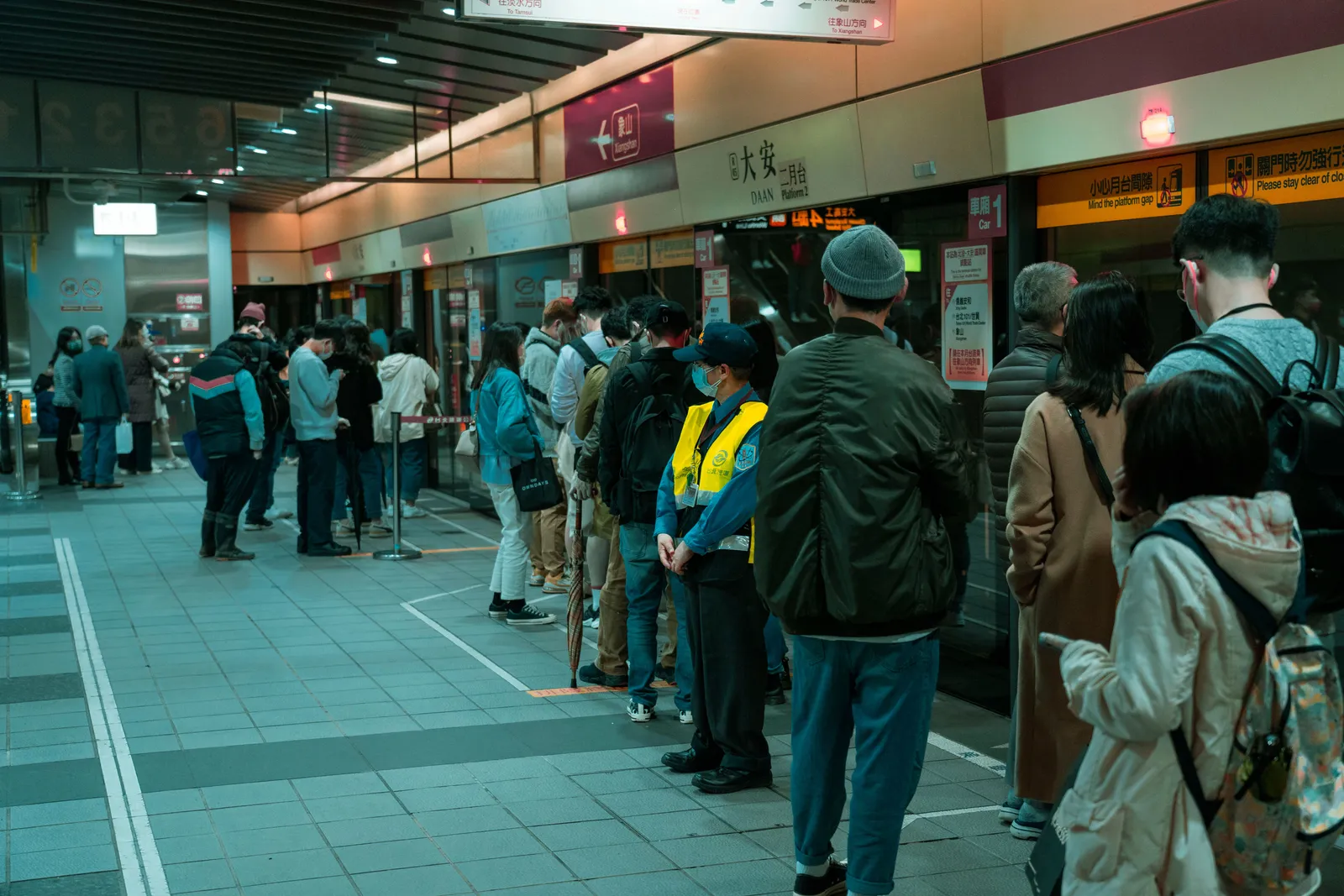
Reserved train seats vanish, months ahead on the popular routes, and unreserved carriages become standing room.
Accommodation prices rise and availability disappears, which is the more painful of the two.
Domestic flights fill and cost more, removing the usual escape route.
Expressways jam, in both directions, on the same two or three days each time.
Famous sites carry their annual peak, including the ones that are already busy.
Some businesses close, which matters most at New Year and least during Golden Week.
The case for going anyway
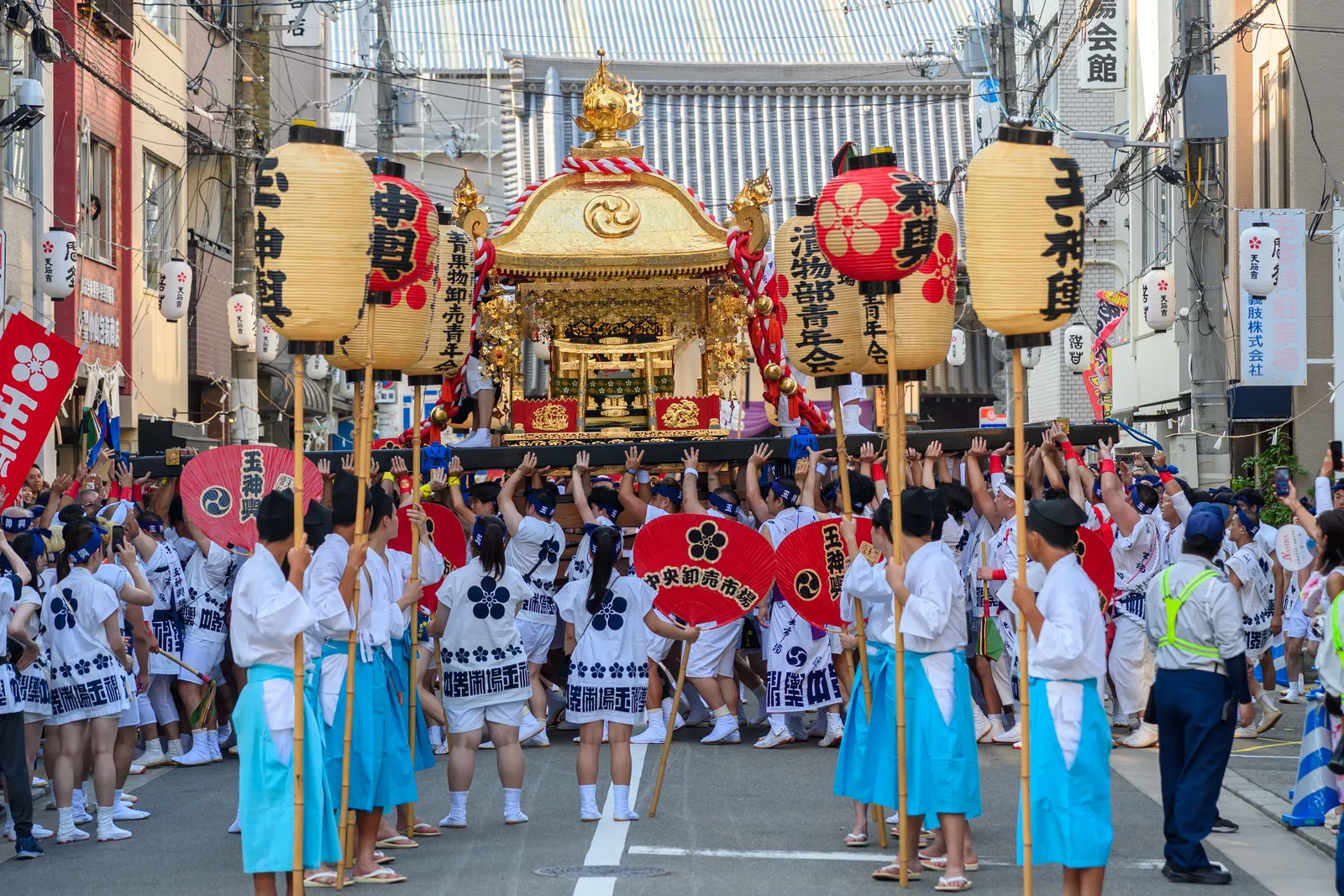
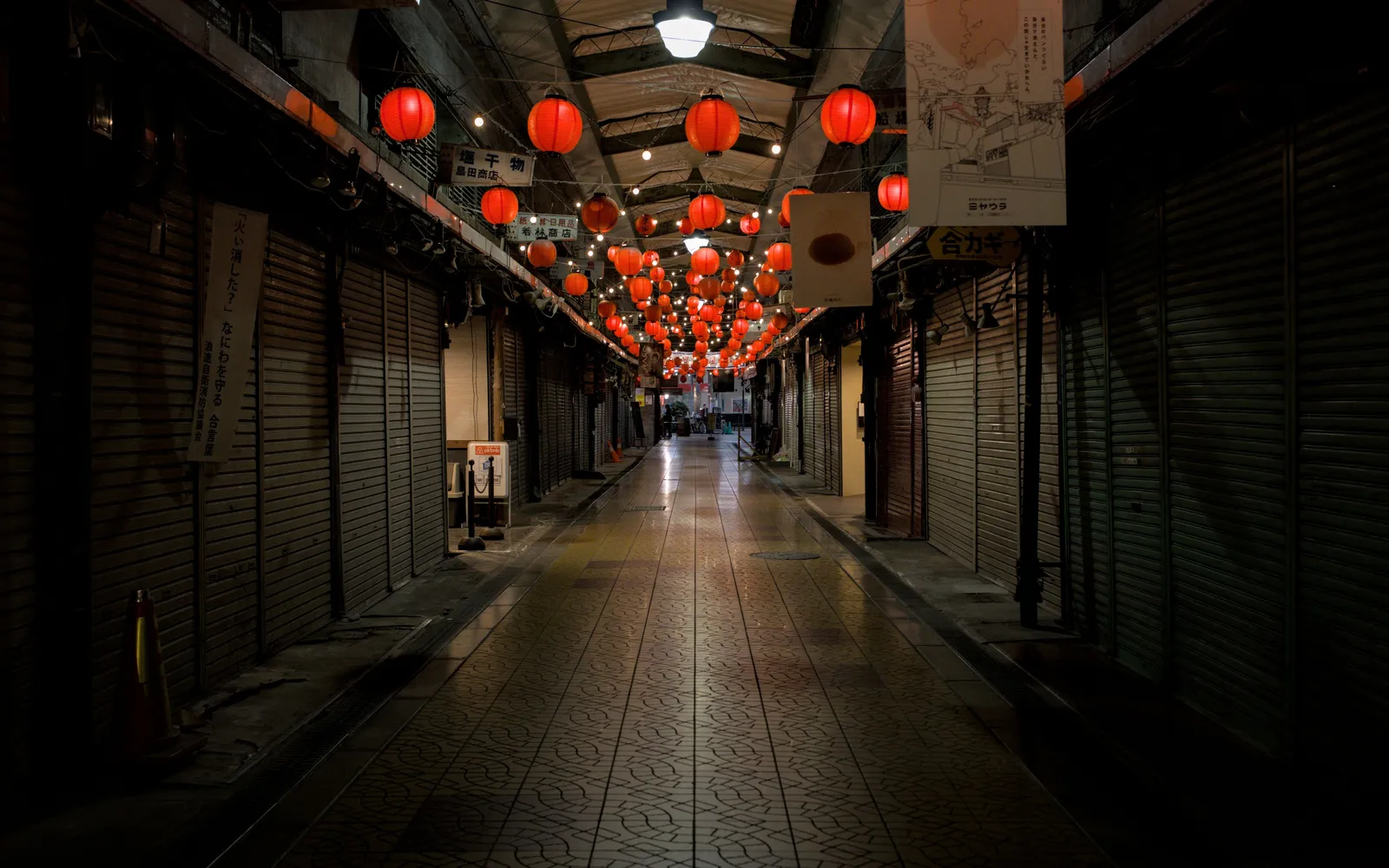
The festivals are real, and Obon in particular is a season of dances, lanterns and fires that visitors otherwise never see.
New Year in the cities is quiet and strange, with empty streets and packed shrines, which is a good few days if you booked your dinners.
Golden Week weather is excellent, which is precisely why the whole country is out in it.
Rural areas absorb it better than the famous cities, and some barely notice.
The atmosphere is the point, if you are willing to give up efficiency for it.
What to do instead, if you can move
Late May and early June, after Golden Week and before the rains, which is one of the best windows in the year.
Late September into October, after Obon and the worst heat, before the autumn peak.
Early December, quiet, cold and cheap, with the illuminations up.
Mid January to early March, the cheapest stretch of the year outside the ski areas.
Practical notes
Book accommodation months out, not weeks, for any of the three.
Reserve seats the moment the window opens, which is a set number of days before departure.
Check what closes around New Year for anything you specifically want, restaurant or museum.
Avoid moving cities on the first and last days of each period, which are the worst.
Rail passes still work, but reservations are the constraint rather than the fare.
And confirm this year’s dates against a current calendar, because every one of them shifts.
Where this fits in a Japan trip
At the very start of planning, before flights, because the dates are the one decision everything else inherits.
For the wider question of which month suits which trip, our guide to the best time to visit Japan covers the year.
For the other period when the whole country is out at once, our cherry blossom guide covers the spring peak.
And for whether a pass is still worth buying when reservations are the scarce thing, our Japan Rail Pass guide has the arithmetic.
The short version
Three periods matter: a run of holidays at the end of April into early May, the ancestral summer period around mid August, and the days around New Year. All three move year to year, so check a current calendar rather than a remembered date. If you can shift by a fortnight, do: late May, early June, late September and early December are all better trips at lower prices. If you cannot, book every night months ahead, reserve seats the moment the window opens, choose two bases instead of five, aim at second tier cities, and use the mornings, which stay close to normal even in the busiest week of the year.