Regions & cities Updated 18 August 2026
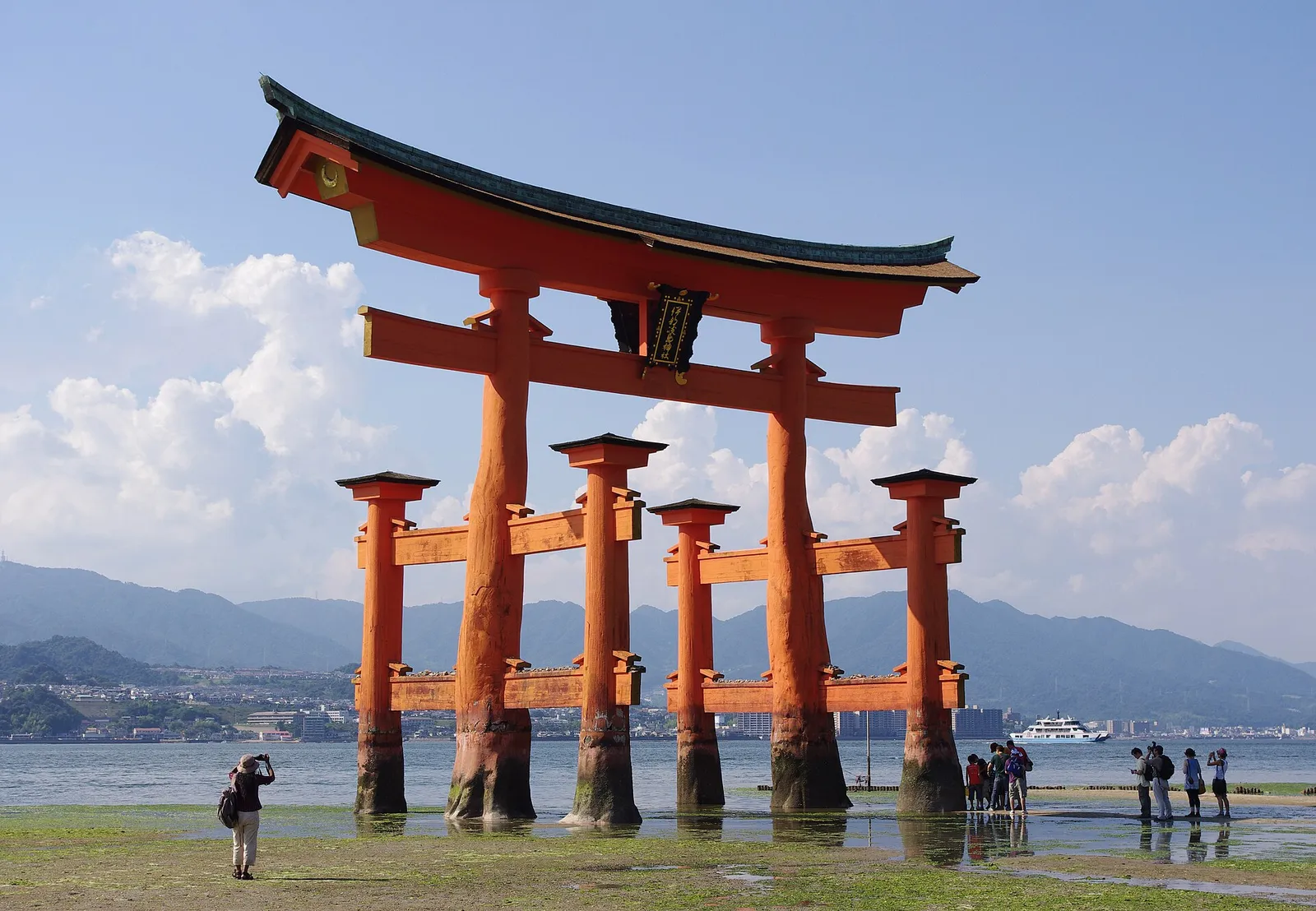
Hiroshima and Miyajima in One Day
A city rebuilt around a memorial and an island with a torii standing in the sea: how to fit both into a day, and why the order matters more than the timetable.
Every guide about Attractions, temples & culture for a trip to Japan, in one place.
A city rebuilt around a memorial and an island with a torii standing in the sea: how to fit both into a day, and why the order matters more than the timetable.

Two religions, two sets of buildings and two sets of manners, visited by the same people on the same afternoon without anybody finding it strange.

One of the most straightforward countries in the world to travel with children, for reasons that have very little to do with the theme parks.

A small, long established community, synagogues in two cities, a food question that takes planning rather than luck, and a wartime history most visitors have never heard.

The northern mountain villages, the temples nobody queues for and the neighbourhoods that still feel lived in, plus how to fit them around the famous sights rather than instead of them.

What climbing Mount Fuji actually involves: the short official season, the four trails, the fee and hut system, altitude and cold at the summit, and an honest read on whether a first Japan trip is the time to attempt it.

How the six sumo tournaments work, why ringside seats are hard to get, what a tournament day actually feels like, and how to read a match once the wrestlers finally touch.

What Akihabara actually is, how the multi storey shops work, what gachapon and arcades ask of your coin pocket, and whether the electronics are still worth buying.

The old teahouse quarter of Kyoto, its lanes and canal, what a geiko and a maiko actually are, and the etiquette the district now enforces on its private streets.

The Studio Ghibli museum in Mitaka and the newer Ghibli Park near Nagoya both sell timed tickets in advance only, nothing at the door, so here is how the two differ and how to actually get in.

Four hundred metres of covered lane a block off Shijo, over a hundred shopfronts, and one point of etiquette that catches out almost every first time visitor.

A preserved Edo-era merchant town and a living village of steep thatched farmhouses in the Japanese Alps, with how to get between them, what to eat, and whether to stay the night.

Tokyo Disneyland and Tokyo DisneySea are two very different parks on one ticket. How to choose between them, how the ticketing and paid queue skipping system works, and how to plan a day that will not wreck you.

A couple of hours north of Tokyo: a UNESCO shrine complex carved with gilded ornament, a red sacred bridge, and a caldera lake with a waterfall above it, doable as one long day.

An hour from Tokyo, the medieval capital sits between wooded valleys and the sea, with temples in the hills, a small railway along the coast and surfers on the sand.

Rooms of projected light you walk through, with water underfoot and mirrors on every surface: what the two Tokyo venues are, how they differ, and what to wear.

How to do Kyoto without the crowds swallowing you: the temples worth your time, the geisha district of Gion, a day-by-day plan, and the etiquette to get right.

Kyoto's western hills hold a bamboo path that is famous and short, a monkey mountain, a river of boats and a temple garden that has been unchanged since the fourteenth century.

Kyoto has around sixteen hundred temples and you will see six: which six, why the torii tunnel needs a dawn start, and how to avoid the two hour bus queue.

Japan's first permanent capital, forty minutes from Kyoto or Osaka, with a bronze Buddha in the largest wooden building of its kind and twelve hundred bowing deer.