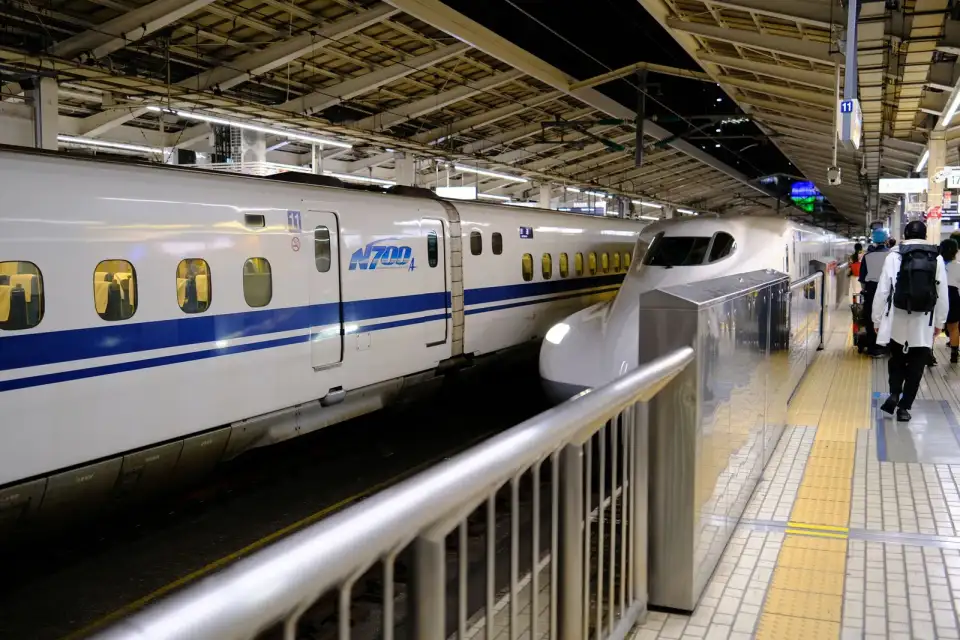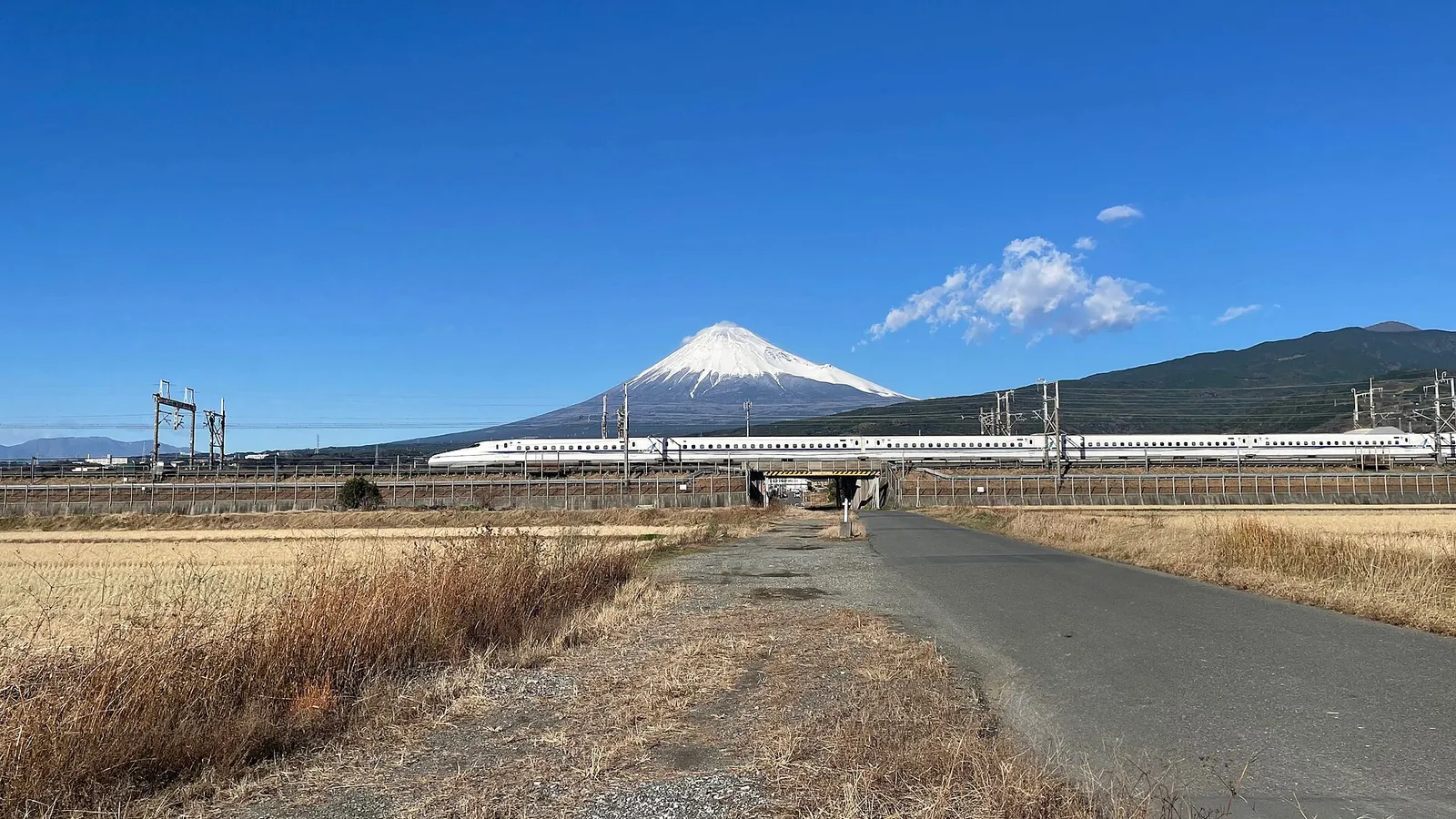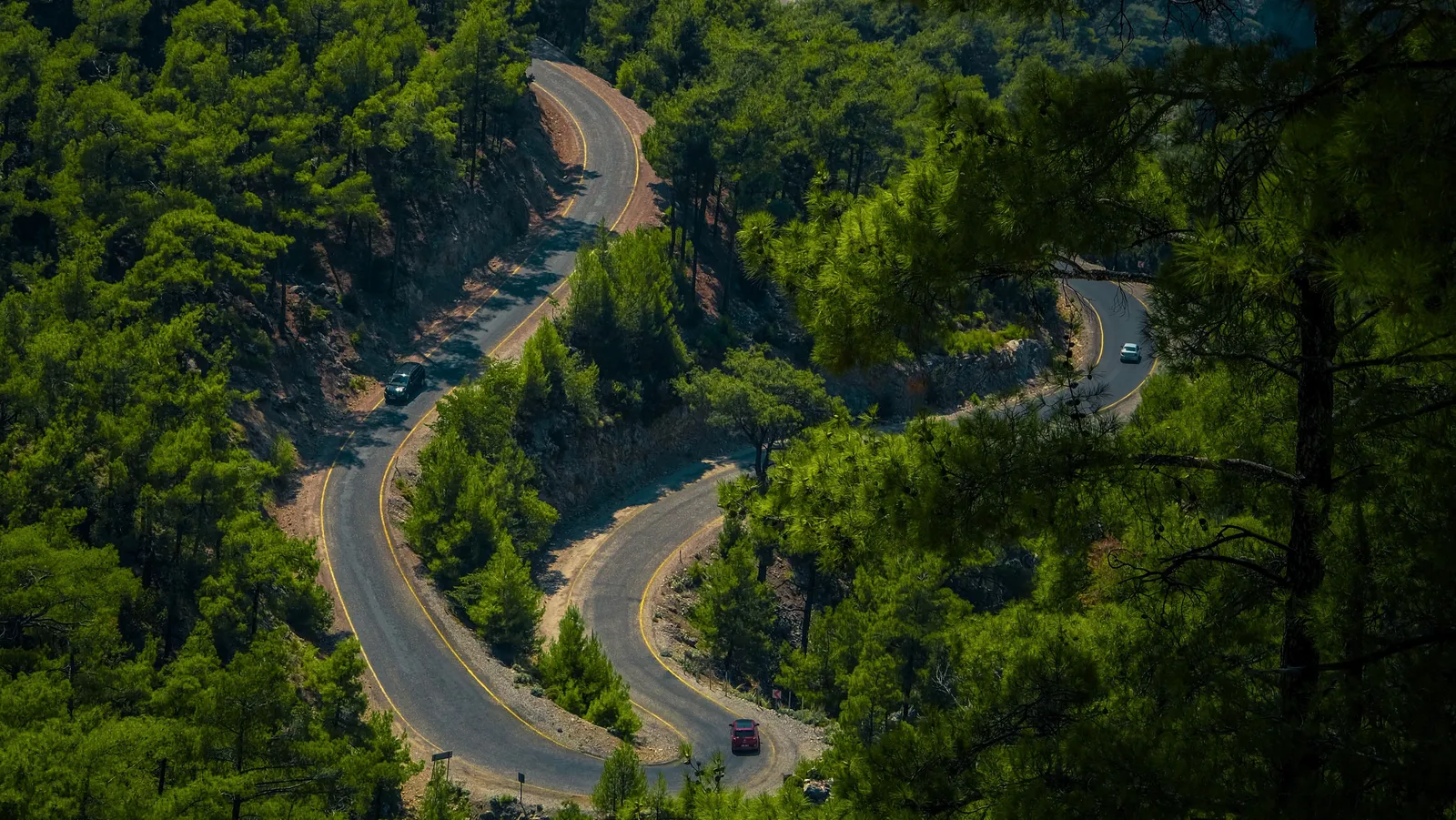
Most Japan trips need no car at all, and that is the honest starting point: the rail network between the big cities is faster, cheaper for one person and far less stressful than driving. Then there are the trips where the train stops being the answer, which is most of Hokkaido, the mountains of central Honshu, rural Kyushu and Shikoku, and every peninsula worth driving. For those, a car changes what the trip can be. What catches people out is not the driving. It is a piece of paper obtained at home weeks earlier, and there is no fixing it once you have arrived.
The permit, which is the part that goes wrong
Japan accepts the 1949 Geneva Convention permit. This is the version issued by the United Kingdom, Ireland, the United States, Canada, Australia, New Zealand, South Africa, Singapore and many others.
Japan does not accept the 1968 Vienna Convention permit. Several European countries issue that version instead, and it is not valid here regardless of how official it looks.
A few countries use an official translation instead, including Switzerland, Germany, France, Belgium, Monaco and Taiwan, whose drivers present their home licence with a certified Japanese translation rather than a permit.
You cannot get any of them in Japan. The document has to be issued where your licence was issued, before you fly.
Carry the home licence as well. The permit is only valid alongside it and the rental desk will ask for both.
Check the convention printed on the document itself. Some countries have signed both, and a permit issued under the wrong one looks identical at a glance. The document says which convention it was issued under; read it rather than assuming.
Get it from the issuing body at home. That is the national motoring organisation in most countries. Drivers on the translation route obtain theirs from an authorised body such as JAF, the Japan Automobile Federation, or their embassy, and a translation you produce yourself is not accepted.
And confirm your own case rather than this page, because which convention a country signed is a fact about that country and it can change.
What the driving is actually like
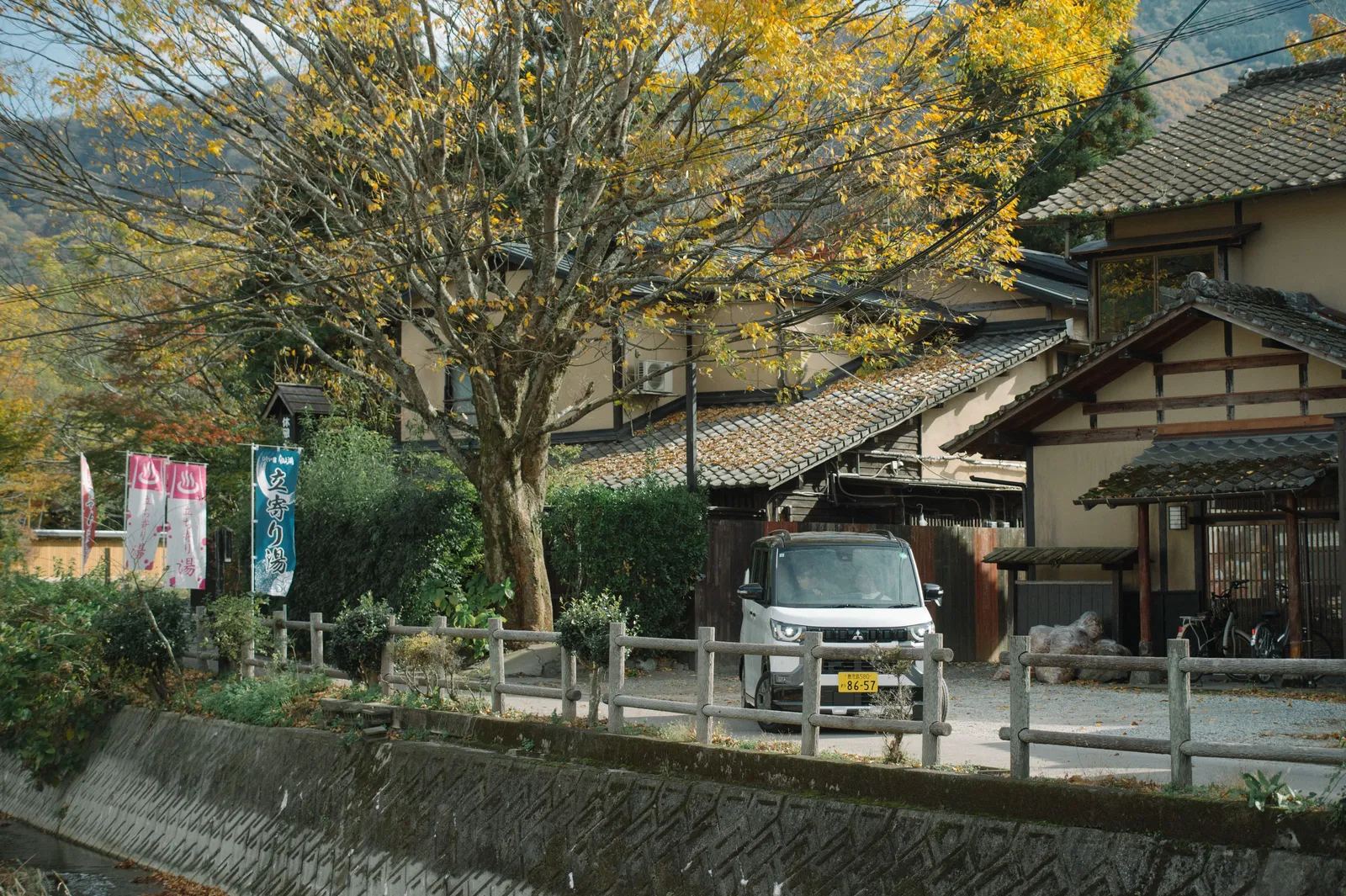
Left hand side, right hand drive, and the indicator and wiper stalks reversed from what a right side driver expects.
Slow speed limits by European standards, and enforced.
Courteous, with very little aggression, tailgating or horn use.
Excellent surfaces, including in the countryside, and immaculate signage.
Signs in Japanese and Roman letters on major routes, and Japanese only on minor ones.
Narrow rural lanes with mirrors on the blind bends, which is what the small cars are for.
Tolls, fuel and the ETC card
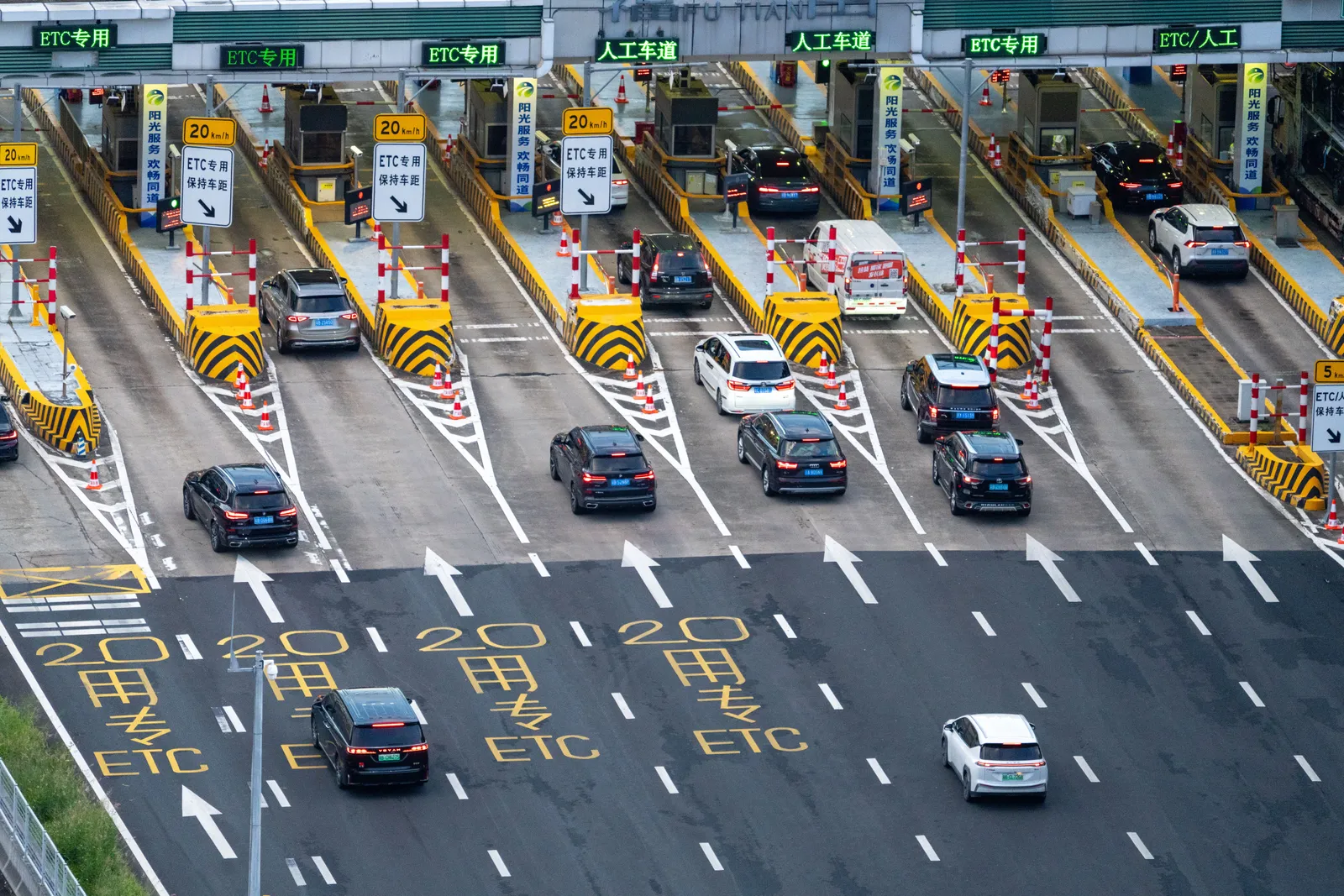
Expressway tolls are high and charged by distance, which is the cost people underestimate.
The ETC card is a transponder card the rental company rents you, and it opens the automatic lanes rather than queueing at a booth.
Toll passes for visitors exist for some regions and are worth checking against your route, since they are area specific rather than national.
Fuel is not cheap and stations in rural areas close early and sometimes entirely on Sundays.
Full service is common, where an attendant fills the car, and self service stations are increasingly normal.
Parking is charged almost everywhere, including at many rural attractions.
Where a car earns its keep
Hokkaido, where the distances are large, the trains are thin and the road is most of the appeal.
The Japan Alps and the Nakasendo valleys, where the villages between the stops are the reason to go.
Rural Kyushu and Shikoku, where bus timetables shape the day if you have no car.
The peninsulas, Izu, Noto, Shimokita and the rest, which are built for a loop drive.
Anywhere with an onsen at the end of a valley, which is a large category here.
Not the Tokyo to Kyoto to Osaka corridor, where the train wins on every measure including cost.
Practical notes
Book automatic unless you are certain, since manual is common and cheap here and the wrong choice on the wrong side of the road is a bad first hour.
Take the excess cover, and read what it excludes rather than the headline rate.
Snow tyres in winter are not optional in the north, and are usually a separate line on the booking.
A phone mount and an eSIM, because the built in navigation may not be in your language and the map app is better anyway.
Return with a full tank, which is the standard arrangement and is checked.
And do not drink anything at all, because the drink driving rules here are severe, enforced, and extend to passengers who let a driver drink.
Where this fits in a Japan trip
As one leg of a longer trip rather than the whole of it: rail between the cities, a car for the region where the villages are the point.
For the trains, buses and domestic flights that cover everywhere else, our guide to getting around Japan covers the network.
For the region where the car makes the largest difference of all, our Hokkaido and Sapporo guide covers the north.
And for the mountain villages that are the classic Japanese drive, our guide to Takayama and Shirakawa-go covers that route.
The short version
Establish which driving permit your country issues before you book anything, because Japan accepts the 1949 Geneva version and not the 1968 Vienna one, a few countries use a certified translation instead, and none of them can be obtained after you land. Carry your home licence alongside it. Then hire the car only for the regions that need one, take the ETC card for the tolls, budget properly for those tolls and for parking, and leave the Tokyo to Kyoto corridor to the trains, which do it better in every respect.