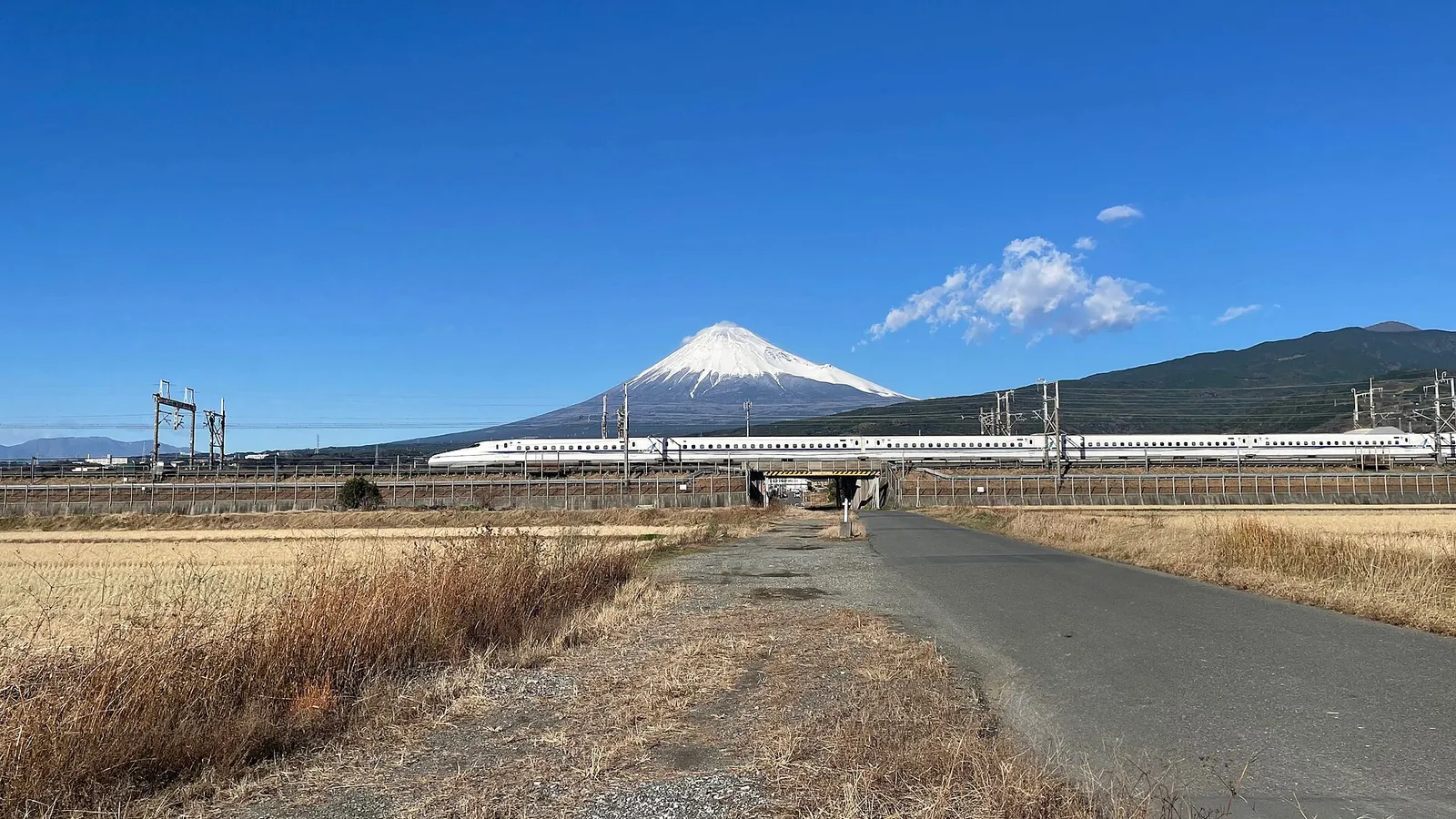
Here is the good news that reshapes any Japan trip: you do not need to drive, and you should not want to. Japan runs on the finest public transport system on the planet, and learning it takes about a day. Bullet trains connect the cities, subways and local lines cover the cities themselves, and a single tap-to-ride card ties it all together. Once you understand the three moving parts, the shinkansen, the IC card and the metro, the whole country opens up to you effortlessly.
The shinkansen: the bullet-train backbone
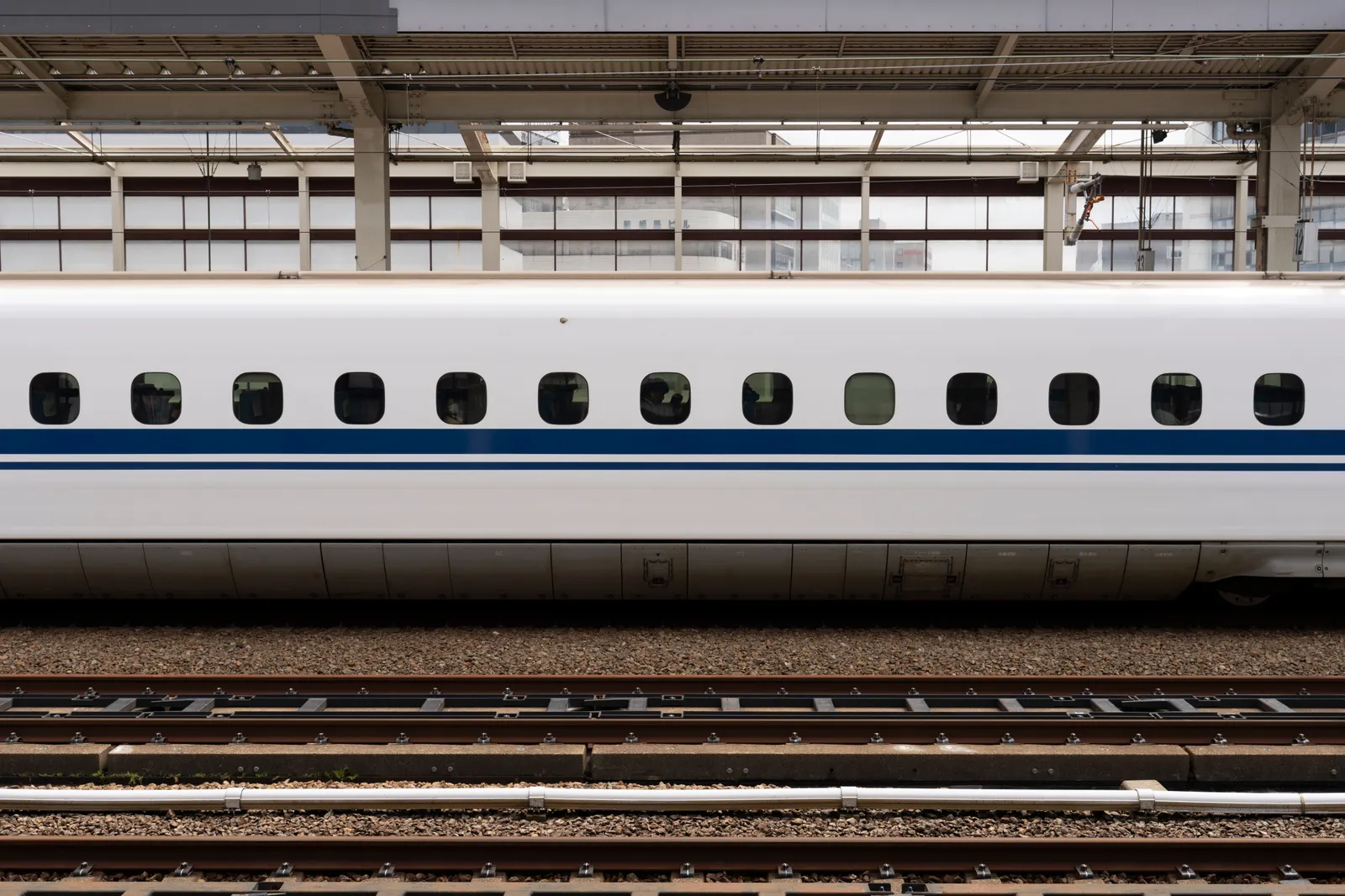
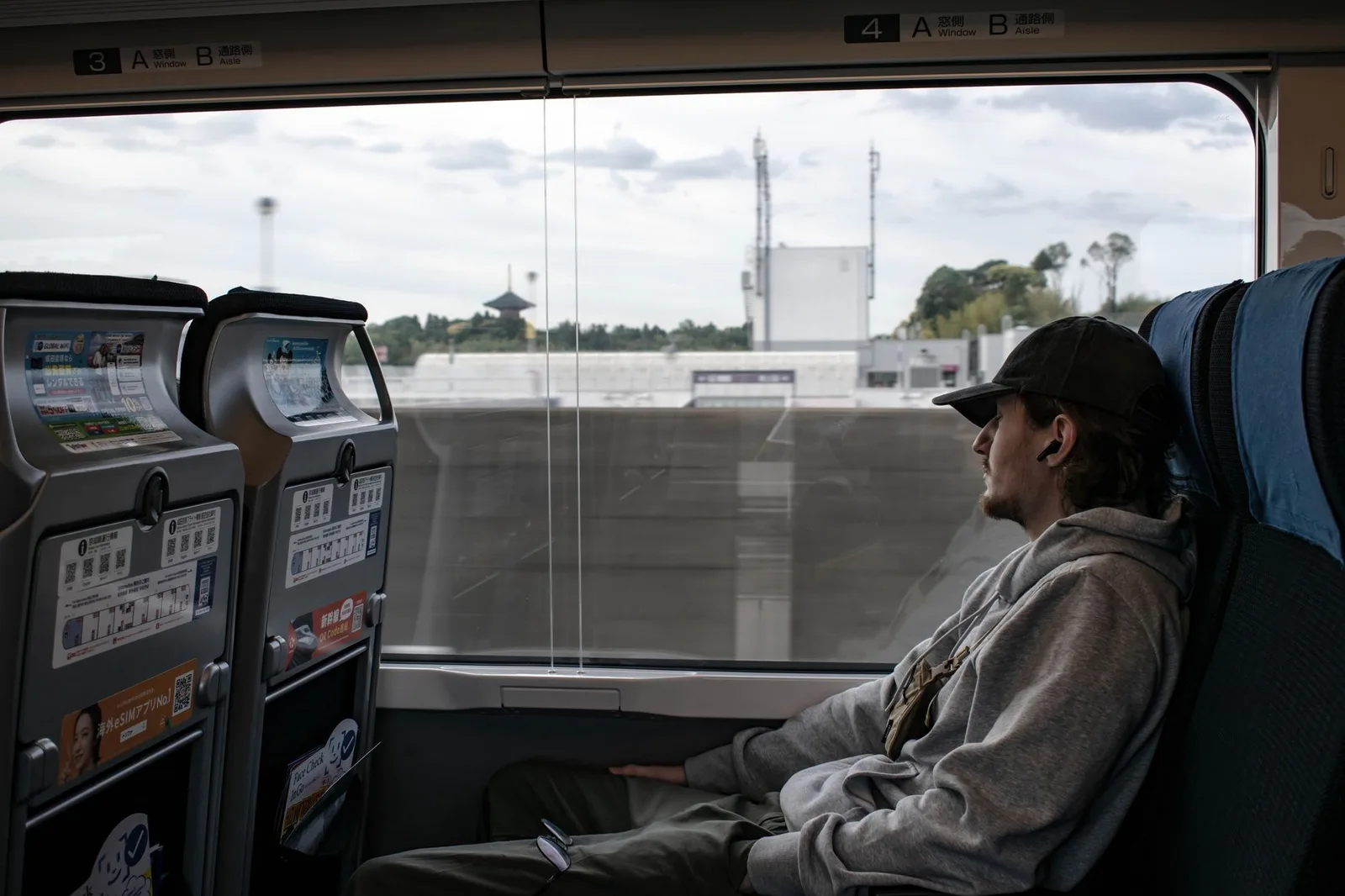
The shinkansen is Japan’s network of high-speed trains, gliding between the major cities at up to 320 km/h, arriving to the minute, and turning what would be long drives into short, comfortable rides. Tokyo to Kyoto takes a little over two hours. The seats are wide, the ride is silent and smooth, and there is a trolley of snacks and a spot for your ekiben, the beautiful boxed station lunch that is a ritual in itself.
Most shinkansen have both reserved and non-reserved cars. For an ordinary weekday you can walk onto a non-reserved car with a valid ticket or pass. For peak travel days, holiday weeks, or long trips with big luggage, book a reserved seat, which is cheap or free to add and saves you standing. Note that oversized suitcases now need a reserved seat with a luggage slot on some routes, so book ahead if you are hauling a big bag.
IC cards: the one thing to set up first
Before anything else, get an IC card: Suica or Pasmo (Tokyo) or ICOCA (Kansai) all do the same job and work almost everywhere. It is a rechargeable card you tap in and tap out with on trains, subways and buses across most of the country, and it doubles as tap-to-pay at convenience stores, vending machines and lockers. Even better, on a supported phone you can add a digital Suica or Pasmo to Apple Pay or Google Wallet and top it up straight from your phone, no physical card needed. Support is the catch rather than the concept: Apple devices are broadly covered and non-Japanese Android handsets frequently are not, so check yours specifically before you plan around it rather than assuming.
This one card removes almost all of the friction from city travel. No working out fares, no fumbling with a ticket machine at every station, just tap and go. It is the first thing to sort on arrival and the last thing you will regret.
The metro and city trains
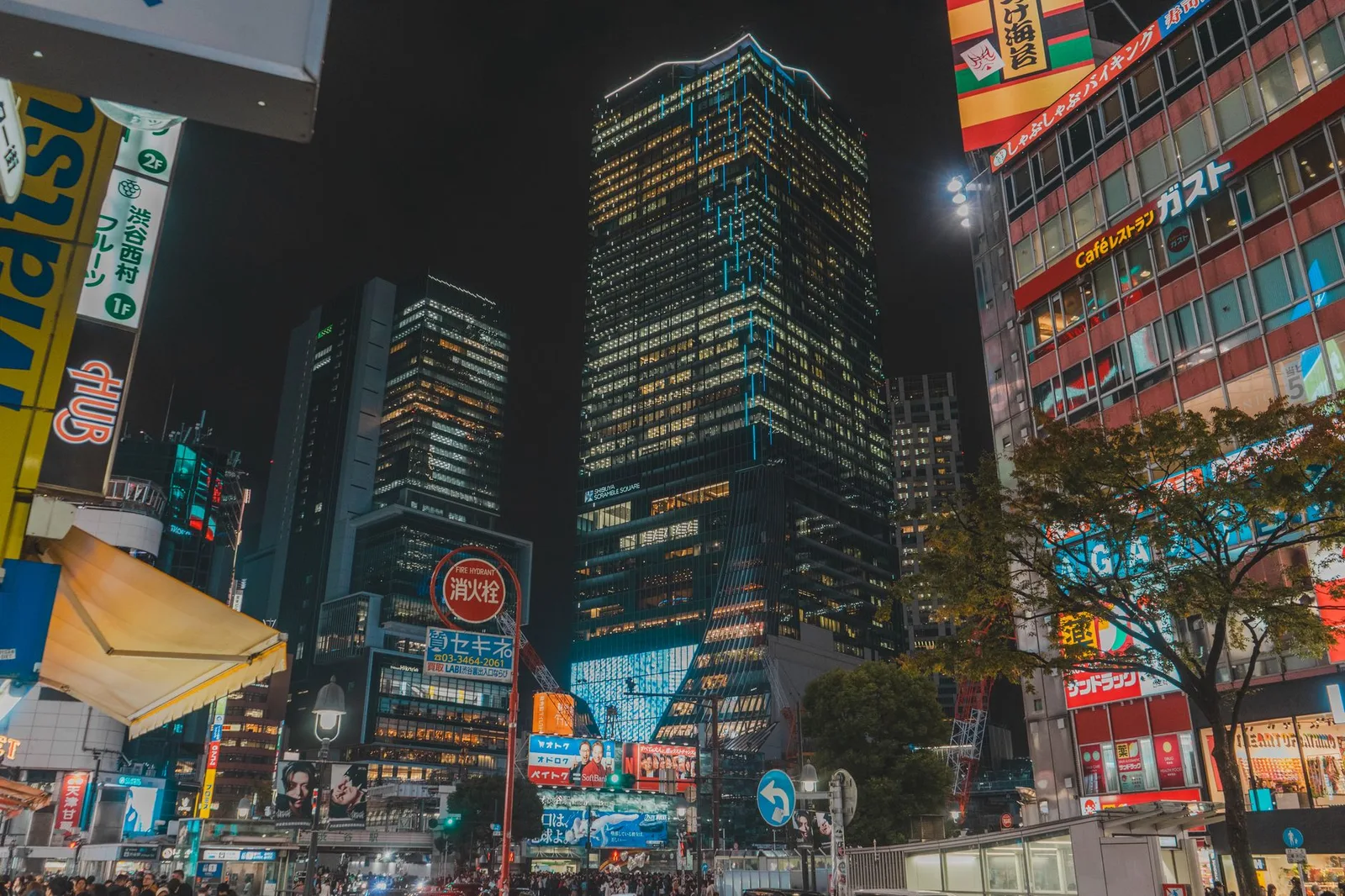
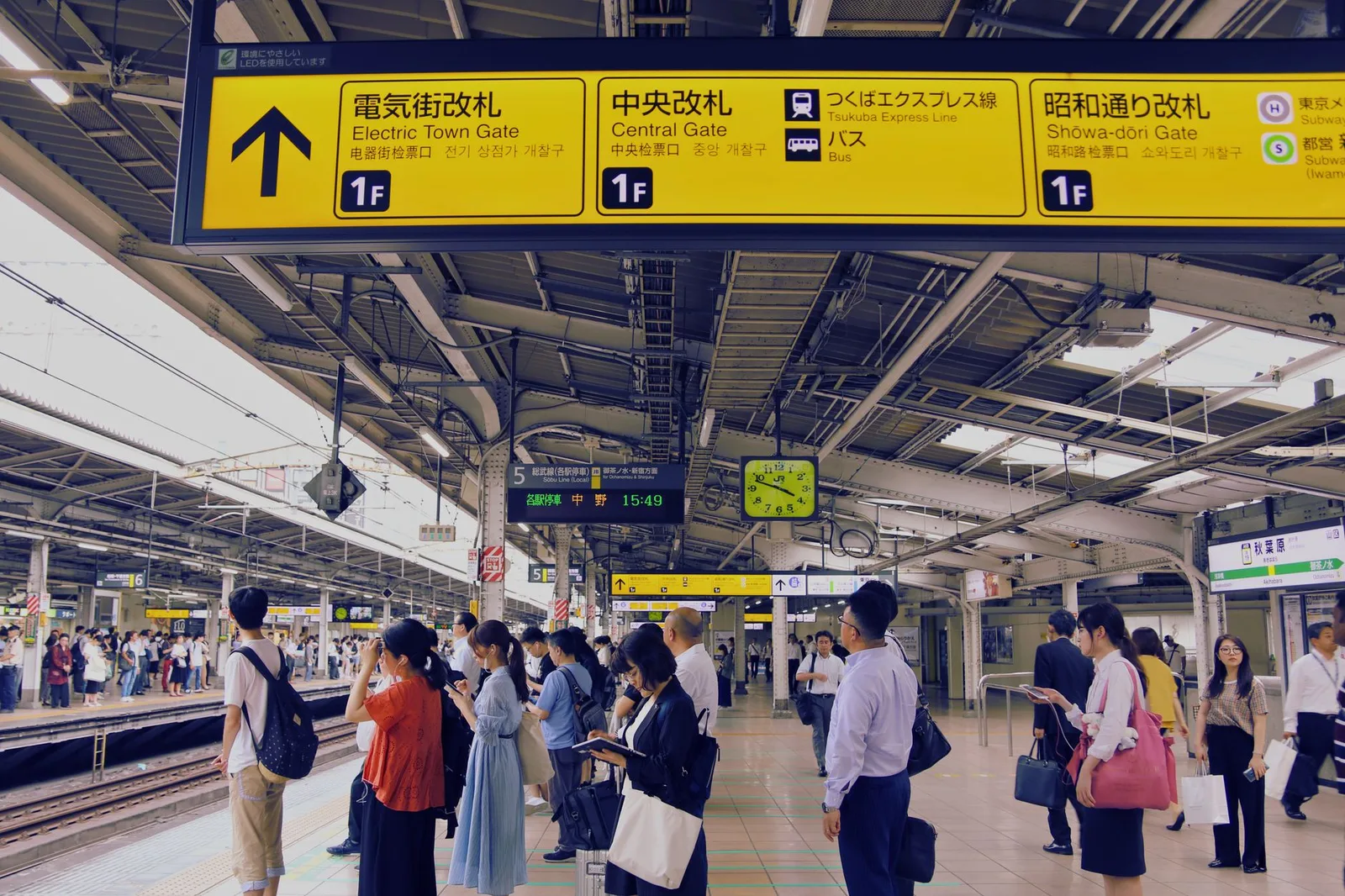
Within the big cities, a dense web of subway and local train lines reaches nearly everywhere you will want to go. Tokyo alone runs the Tokyo Metro, the Toei subway and the JR Yamanote loop line that circles the center. It looks daunting on the map and is genuinely simple in practice: Google Maps tells you the line, the platform, the departure time and the exit number, all reliably to the minute. Follow the color-coded signs, mind the neat queues on the platform, keep quiet in the carriage, and you will move through the largest cities on earth like a local within a day.
Lock in your bullet-train seats earlyReserve seats for peak days and long routes so your travel days run smoothlyIs the JR Pass worth it? The honest math
The JR Pass is the question that eats up every planning forum, and the answer changed. After a steep price rise in recent years, followed by a further increase for passes sold by overseas agents from 1 October 2026, the nationwide pass no longer pays for itself automatically. It now makes sense mainly for long, multi-city trips that cover a lot of shinkansen distance inside the pass window, the classic example being Tokyo to Kyoto to Hiroshima and back within seven days.
The way to decide is simple: add up the individual fares for the exact trips you plan to take, then compare the total with the current pass price. If your fares beat the pass, skip it and just use tickets and your IC card. If they exceed it, buy it. Two things are worth checking as you compare. First, where you buy matters: the official JR Pass website and overseas travel agents have not always charged the same amount, so price both. Second, do not overlook the cheaper regional passes, JR East, JR West, Kansai, Hokuriku and others, which can be a far better deal if your travels cluster in one part of the country. There is no universal answer, only your itinerary.
Buses, taxis and the odd domestic flight
Trains cover almost everything, but not quite. In train-light regions and rural spots, local buses fill the gaps, and your IC card usually works on them too. Highway buses are a cheap, slower alternative to the shinkansen for budget travelers, often overnight. Taxis are spotless, safe and metered, with doors that open automatically, but they are pricey, so save them for late nights and heavy bags. And for the far corners, Hokkaido in the north or Okinawa in the south, a domestic flight can be faster and cheaper than a very long train, so compare before you commit to rail for the whole trip.
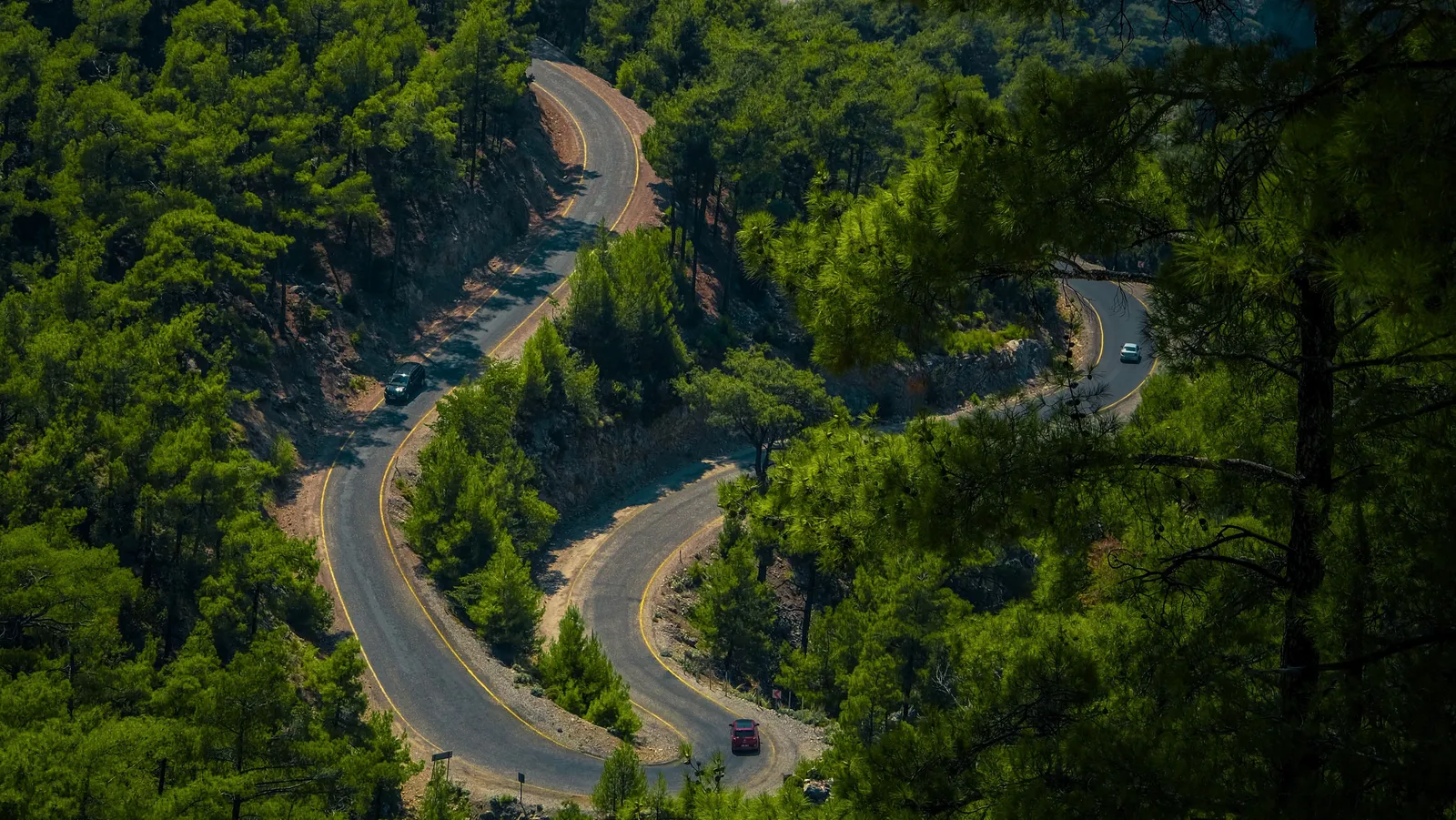
If you do plan to drive somewhere rural, sort the paperwork at home, because Japan is fussier about it than most countries. Japan accepts only the International Driving Permit issued under the 1949 Geneva Convention, carried alongside your own licence and your passport. That is the permit issued to drivers in the US, Canada, Australia, New Zealand, Ireland and South Africa, and it is one of several types issued in the UK, so British drivers should check they are given the 1949 version rather than the newer one. You cannot obtain an IDP once you are in Japan.
There is a second trap that catches European visitors. Drivers licensed in a handful of countries, among them Germany, France, Switzerland, Belgium, Monaco and Taiwan, cannot use an IDP in Japan at all, because their countries do not issue the 1949 version. They need an official Japanese translation of their home licence instead, issued by the Japan Automobile Federation or their embassy. Arrange whichever route applies to you before you fly, because rental desks will not hand over the keys without it.
Surviving the big stations
Japan’s trains are easy. Its largest stations are the part that actually intimidates people, and the fix is a change of mental model rather than more study.
Navigate by exit number, not by direction. Shinjuku, Tokyo, Osaka and Kyoto stations are neighbourhoods with roofs, and the difference between two exits can be a fifteen-minute walk above ground. Your map app gives an exit number; trust it over your sense of where the hotel is.
Follow the colour, then the car marker. Each line has a colour and a letter-number code for each station, which makes transfers a matter of matching symbols rather than reading Japanese. On the platform, the markings on the ground tell you where each car will stop, so you can board near the carriage that puts you closest to your exit at the far end.
Budget time for a transfer you have not done before. Ten to fifteen minutes is usually generous and occasionally exactly right. And if you are lost, ask staff: station attendants are used to the question and will often walk you to the right gate.
Where you sleep decides how well this works
The transport network is only as good as your connection to it, which is why accommodation and transport are really one decision.
The rule that matters is to be within a few minutes of a major line, ideally one that also serves your arrival airport. A cheaper room fifteen minutes’ walk from the nearest station costs more in taxis and tired evenings than it saves, and in a city the size of Tokyo it quietly removes an hour a day from your holiday. Our guide to where to stay in Tokyo breaks the neighbourhoods down on exactly this basis.
The same logic applies to your first and last nights. Landing after a long flight and facing a transfer with luggage through an unfamiliar station is the worst possible introduction to the network, and our guide to Tokyo’s airport transfers sets out which route suits which part of the city, and how long each actually takes.
When things go wrong
Japanese transport is famously reliable, and the exceptions are worth knowing precisely because they are rare enough to catch people unprepared.
Weather stops trains. Typhoons in late summer and heavy snow in the north lead to planned suspensions announced in advance, and services resume methodically rather than immediately. The response is slack in the schedule, especially around an international departure.
Earthquakes stop trains too, briefly and by design, while lines are inspected. This is the system working, not failing.
Lost property genuinely comes back. Something left on a train is usually handed in and traceable through the station office, which is one of the small everyday miracles of travelling here.
What none of that covers is the financial side: a missed onward flight, a cancelled prepaid hotel or a medical problem far from your base. Japanese healthcare is excellent and expensive for a visitor without cover, and hospitals often expect payment at the time. Trip-disruption cover is the part a typhoon-season itinerary actually uses, and it is worth checking what a policy includes before you buy.
Practical tips that save you grief
Get a data connection first: an eSIM or pocket wifi makes Google Maps, translation and IC top-ups painless the moment you land. Travel light or use the excellent luggage-forwarding service, takuhaibin, to send your big bag ahead to your next hotel so you glide through stations with just a day pack. Learn to read the platform car markers on the ground so you queue exactly where your reserved car will stop. And grab an ekiben and a drink before boarding a long shinkansen, because lunch with a bullet-train window is one of the quiet pleasures of Japanese travel.
For the regions where the answer is a car rather than a train, and the permit that has to be sorted before you fly, our guide to driving in Japan covers it.
The short version
The one region where that advice bends is the fourth island, and our five days in Shikoku says where: Ritsurin and Kotohira work on rail, and the Iya valley effectively does not.
Do not drive. Set up an IC card and a data connection on arrival, ride the shinkansen between cities and the subway within them, and lean on Google Maps for everything. Only buy a JR Pass if you have run the numbers and a long multi-city route makes it pay. Do that, and getting around Japan stops being logistics and becomes one of the best parts of the trip.