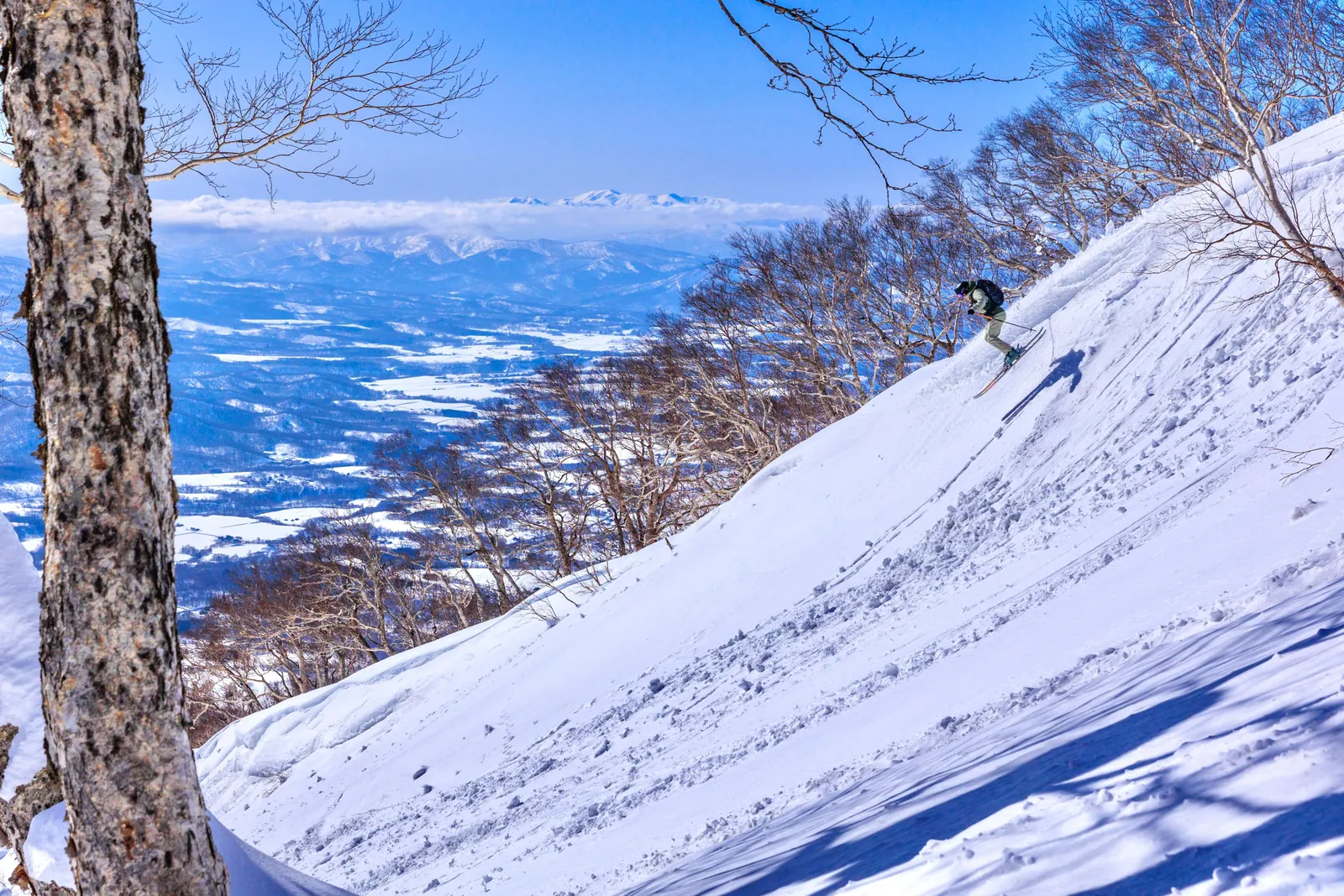
Japan gets an absurd amount of snow. Cold air crosses the Sea of Japan, picks up moisture and dumps it on the mountains of Hokkaido and the Japan Alps, which is why people fly from Australia and Europe for a week of it and why the snow has its own nickname. What surprises first timers is the rest of the package: a hot spring to sit in when your legs are finished, a bowl of miso ramen that tastes better at minus ten than anything has a right to, and lift passes that cost a fraction of the Alps. Five days is a short trip that works, and this is how to shape it. Read our onsen guide before the first bath and the seasonal guide before you pick your dates.
Which resort, first
The choice sets the whole trip and there is no single right answer.
Niseko, on Hokkaido, has the deepest and most reliable snow, the most English spoken anywhere in Japanese skiing, and prices and crowds that reflect both. It is the easy first choice and the least Japanese feeling.
Hakuba, in Nagano, is a valley of separate resorts on one pass, with steeper terrain, real mountains above it and an old village at the bottom. It is closer to Tokyo, reachable by train and bus in a morning.
Shiga Kogen and Nozawa Onsen, also in Nagano, are the quieter pair: an enormous linked area at Shiga, and at Nozawa a genuine hot spring town with public baths in the streets and skiing straight above them.
Itinerary at a glance
| Day | Focus | The signature experience |
|---|---|---|
| 1 | Arrival | An afternoon on the groomed runs to find your legs |
| 2 | Full day | Trees and untracked snow with a local guide |
| 3 | Full day | The top of the mountain, then an onsen at dusk |
| 4 | Off snow | The snow monkeys, or a morning at a fish market |
| 5 | Last morning | First lift before the transfer |
Day 1: Arrival and the groomed runs
Do not plan a big first day. Between the flight, the transfer and hiring gear you will reach the mountain in the afternoon at best, and the sensible use of what is left is two hours on the groomed runs to find out what the snow is doing and whether the boots fit. Rental shops here are excellent, stock powder skis as standard rather than as an upgrade, and will happily swap a boot the next morning if it hurts.
Get the practicalities done the same evening. Buy a multi day pass rather than daily tickets, work out which lift opens first, and find out where the guides meet. If the forecast shows a big overnight fall, everything else in this plan bends around being on the first lift.
Food: a warm bowl of anything at the base, and if you are in Hokkaido, soup curry is the local dish nobody warns you about and everybody orders twice. The signature experience: the first two runs, when the snow turns out to be much lighter than what you are used to. Optional tour: book the guide for day two now rather than on the morning, because the good ones are taken in a storm cycle.
Day 2: A guided day in the trees
The reason to come to Japan rather than anywhere else is the tree skiing. Birch and hardwood forest is spaced widely enough to ski through, the snow between the trunks stays soft for days after a fall, and the visibility down there is better than on an open face in flat light. It is also where you can get lost, and where the local rules about which gates are open matter, which is the argument for a guide on at least one day.
A guide changes the trip in three ways: they know which aspect held the snow, they know which resort boundary gates are open that morning, and they take you to slopes you would not find in a week. Groups are usually small and the cost per person is modest by Alpine standards. If you are new to powder, say so, and ask for a group matched to that rather than the fastest one going out.
Food: an on mountain lodge lunch, which in Japan means a proper hot meal rather than a sandwich: katsu curry, ramen, or a rice bowl, eaten indoors with your boots loosened. The signature experience: a run through spaced birch in fresh snow, which is what everyone talks about afterwards. Optional tour: this is the day the guide is not optional.
Day 3: The top of the mountain and an onsen at dusk
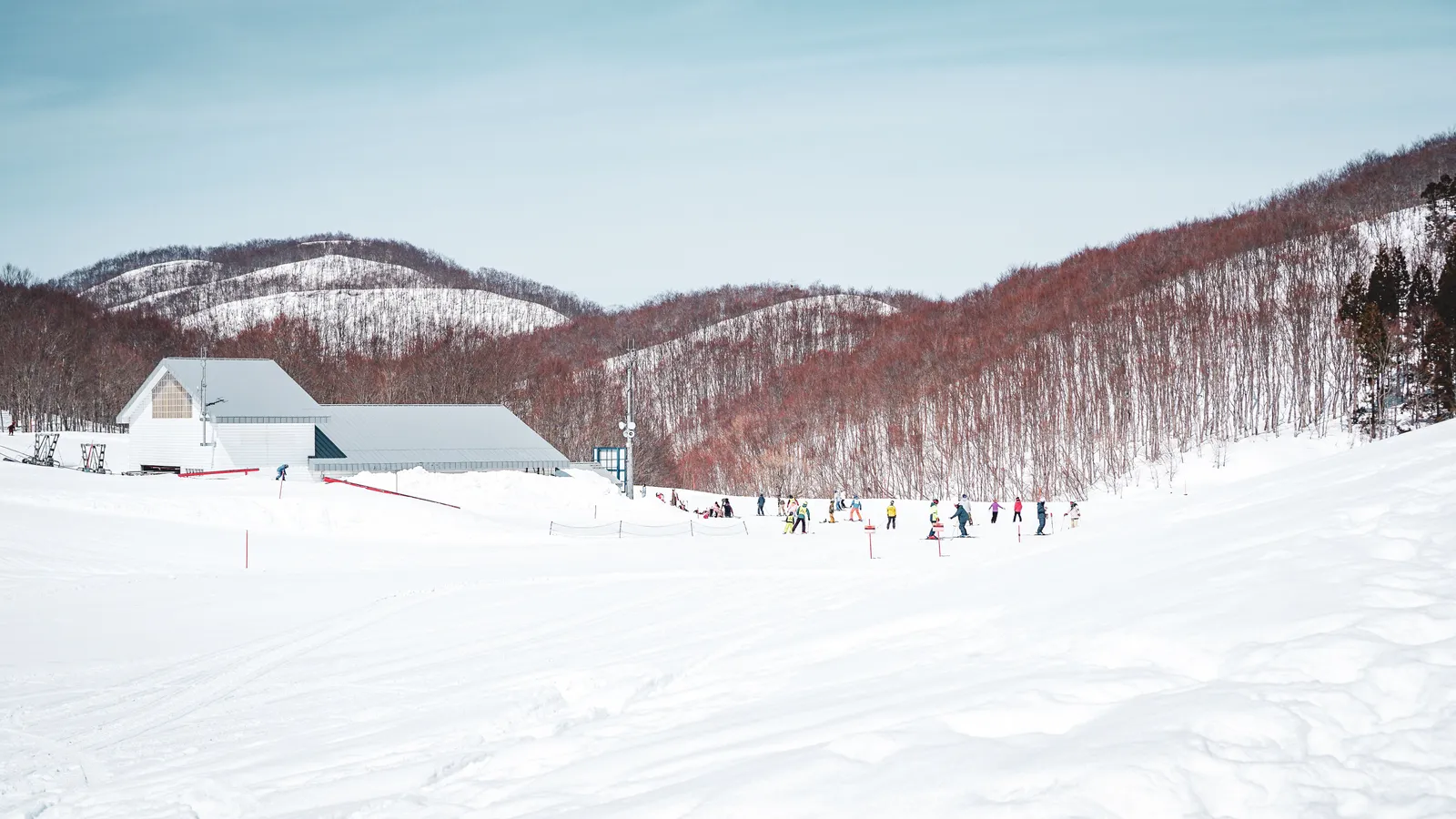
Use the third day for altitude and views if the weather has cleared, because storm days and blue days ask for different mountains. Above the trees the terrain is open and often wind affected, and the top lifts in these resorts hold on to their snow well into spring. If instead it is snowing hard, do not go up: go back into the trees and be glad.
Finish in hot water. An onsen at the end of a ski day is the single best thing about skiing in this country, and if the bath is outdoors with snow on the rocks around it then the experience is complete. Some resort hotels have their own; hot spring towns like Nozawa have public bathhouses where the locals go for free or for a coin in a box. Read the etiquette first: wash before you get in, the small towel does not go in the water, and tattoo policies vary between venues, all of which our onsen guide covers.
Food: miso ramen, which is the northern style and the correct food after a cold day; in Hokkaido add grilled scallops or crab. The signature experience: sitting in an outdoor onsen in falling snow with your legs finally quiet. Optional tour: a night ski session, which several of these resorts run under floodlights, is worth one evening if the legs have anything left.
Day 4: A day off the snow
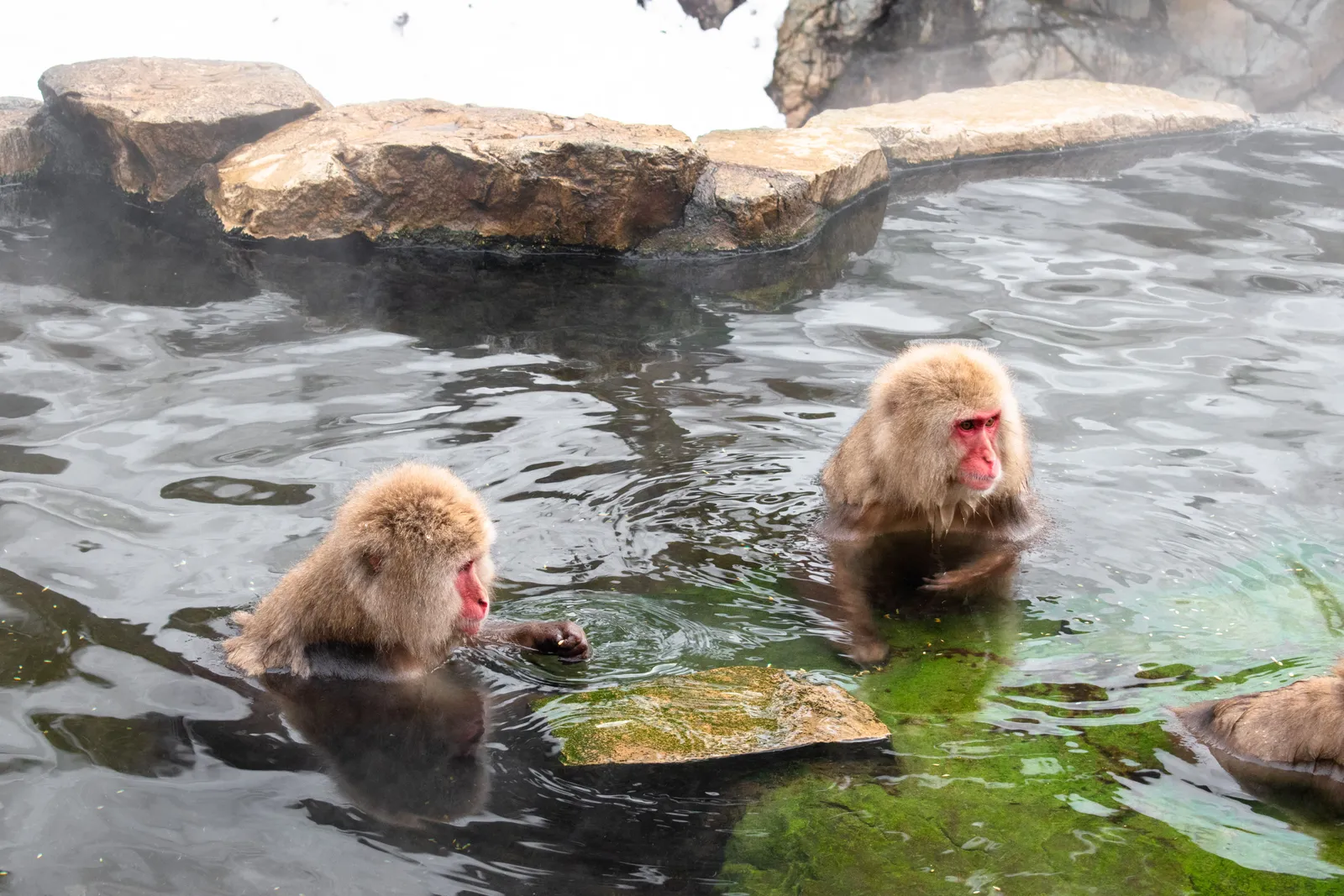
Five days of skiing is a lot for most people, and the fourth is the one to break. In Nagano, the snow monkeys at Jigokudani are less than two hours from Hakuba and are exactly what they sound like: wild macaques sitting in a hot spring pool in the snow, reached by a walk of a couple of kilometres along a valley path. It is a genuine wildlife encounter with a queue attached, and it is worth the queue.
In Hokkaido, the equivalent is Sapporo: the fish market for a breakfast bowl of urchin and salmon roe, the beer museum, and the ramen alley for lunch. In February the snow festival fills the central park with carved ice and packed crowds. Or, from either base, spend the day in the nearest hot spring town rather than travelling at all, which nobody regrets.
Food: in Sapporo, a kaisendon at the market before nine in the morning; in Nagano, soba, since the region grows the buckwheat. The signature experience: the monkeys in the pool, entirely indifferent to the row of cameras. Optional tour: a monkey park day trip from Hakuba or Nagano city handles the buses, which are infrequent in winter.
Day 5: First lift, then out
The last morning is worth using. Lifts open early, the snow is at its best before the crowd arrives, and most transfers do not need you until the middle of the day. Ski until eleven, hand the gear back, eat at the base and leave. If you are flying from Hokkaido, allow more time than feels necessary: winter delays are normal and the road to the airport is the first thing weather affects.
One caution about the return. Domestic flights and buses in a heavy snow cycle get cancelled, and a same day connection to an international flight is the arrangement most likely to go wrong on a Japanese ski trip. A night in the departure city is the cheapest insurance there is, and travel insurance is the rest of it.
Food: whatever the base lodge does best, one last time. The signature experience: the first run of the last morning on an empty groomer. Optional tour: arrange the airport transfer in advance rather than on the day, because the shuttles fill in the school holidays.
Practical tips
- Rental is easy and good, and shops carry wide powder skis as standard. Take your own boots if you have them and nothing else.
- Lift passes are cheap compared with Europe and North America, and multi day passes save more than they usually do. Some Nagano passes cover several resorts in one valley.
- The snow season broadly runs from December into early April, with the deepest snow in January and February and the best weather later; our seasonal guide has the detail.
- Off piste rules are taken seriously and marked gates are opened and closed daily by patrol. Ducking a closed rope can cost you your pass.
- Cash is still useful in mountain villages and at the smaller bathhouses.
- If you want the resort towns without the skiing, the onsen guide and ryokan guide cover the same region in a slower trip.