Japan has a reputation for being expensive that is about fifteen years out of date. Accommodation is the one genuinely high cost, and everything else, transport, food, entry fees, is cheaper than in most of western Europe. A bowl of noodles that would be a mid range restaurant dish elsewhere costs less than a sandwich, museum tickets are modest, and half the best views in Tokyo are free. Five days here, done deliberately, comes in far below what people expect. Read our cost breakdown for the numbers and the rail pass arithmetic, because on a trip this length the pass is almost certainly the wrong buy.
Itinerary at a glance
| Day | Area | The signature experience |
|---|---|---|
| 1 | Shinjuku | The free observation deck at sunset |
| 2 | Harajuku and Shibuya | Meiji shrine’s forest, then the crossing |
| 3 | Ueno and Yanaka | The market street and the old low town |
| 4 | Kamakura | The Great Buddha, by local train |
| 5 | Asakusa | The temple, the river and a basement food hall |
Day 1: Shinjuku, and the view that costs nothing
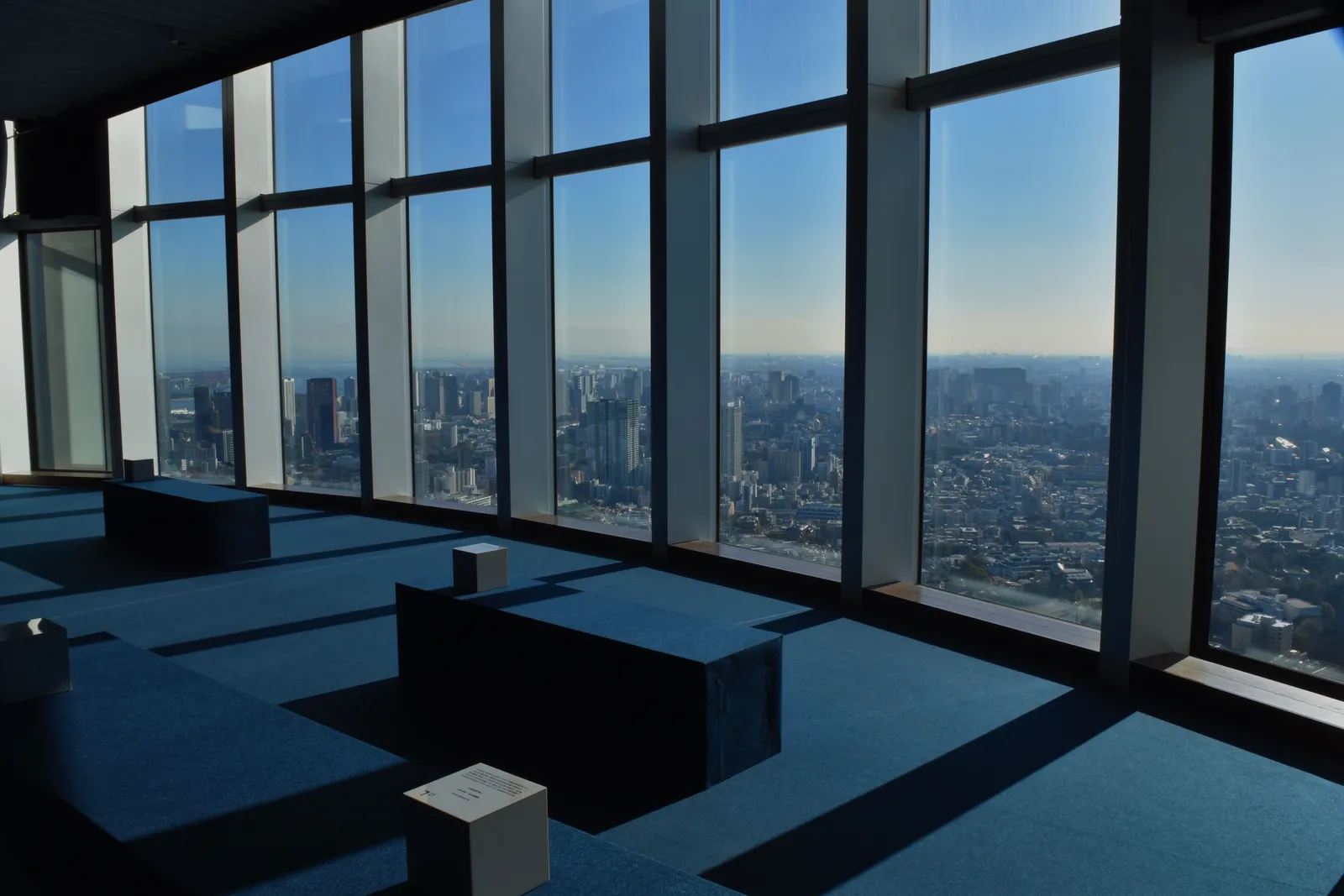
Start with the thing everyone pays for and get it free. The Tokyo Metropolitan Government building in Shinjuku has two observation decks around two hundred metres up, they are open to the public at no charge, and on a clear day you can see Fuji. Go about an hour before sunset and watch the city light up. It is not quite as high as the paid towers and the difference is not worth the price.
Around it, Shinjuku costs nothing to walk: the skyscraper district, the lanes of Omoide Yokocho where the smoke from the grills fills the alley, the neon of Kabukicho, and Golden Gai, a warren of tiny bars where you can look without going in. Shinjuku Gyoen, the big garden, charges a small entry and is worth it. Sleep in a hostel or a capsule hotel; both are clean, well run and a fraction of a hotel room.
Food: a standing soba bar in the station, where a bowl costs less than a coffee, and a convenience store dinner assembled properly; our konbini guide explains what is worth buying. The signature experience: the free deck at sunset. Optional tour: free walking tours run in Tokyo on a tips basis and are a genuine option on a first evening.
Day 2: Meiji shrine, Harajuku and Shibuya
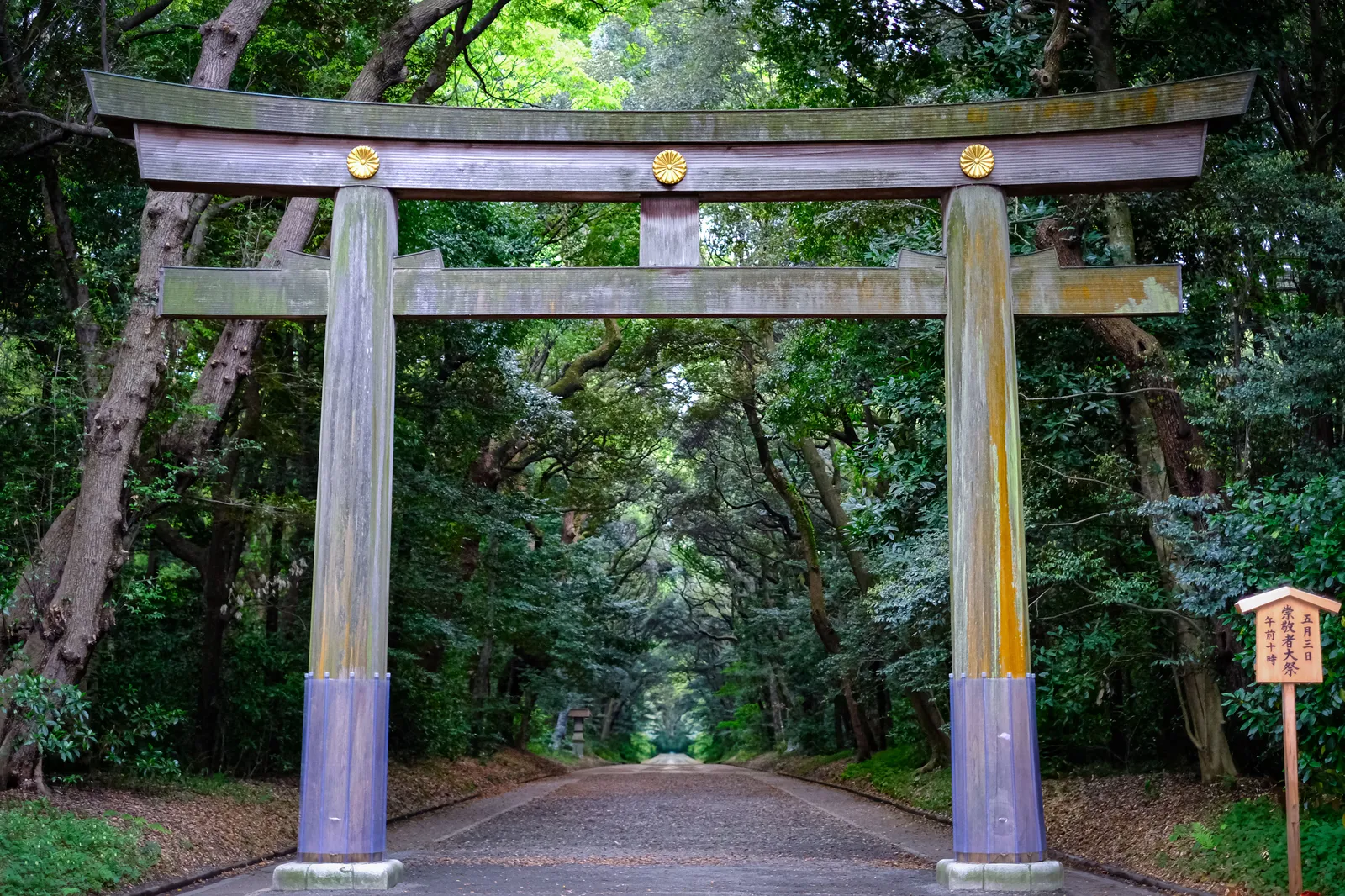
Meiji shrine sits in a forest of a hundred thousand donated trees in the middle of the city, entry is free, and the walk up the gravel approach under the wooden torii is the best hour in Tokyo that costs nothing. Go early. Beside it, Yoyogi park is where the city relaxes at the weekend, with buskers, dance groups and picnics, and it is free entertainment in the literal sense.
Harajuku next door has Takeshita street, which is teenage retail at full volume and costs whatever you let it. Then walk to Shibuya for the crossing. The view from above is best from the free floors of the department stores or a chain coffee shop window rather than the paid rooftop deck, and the crowd surging across every couple of minutes is the same either way.
Food: a chain gyudon or curry rice, which is a full hot meal for the price of a bus ticket, and a crepe in Harajuku as the day’s one indulgence. The signature experience: the shrine approach in the early morning before the crowds. Optional tour: none; this is a walking day.
Day 3: Ueno, Ameyoko and the old low town
Ueno park is free, and inside it the National Museum charges a modest entry that is the best value cultural ticket in the city. Beneath the park, Ameyoko is a market street under the railway that started as a post war black market and still sells everything loudly and cheaply, including street food that undercuts anywhere else in central Tokyo.
Walk north into Yanaka, which the earthquakes and the war largely spared. It is a low rise district of temples, wooden houses, a cemetery of cherry trees and a shopping street where the shops are still family businesses, and it costs nothing to wander. This is also the district for cheap lunch sets and for the sort of coffee shop that has not changed since the seventies.
Food: Ameyoko for skewers and fruit, then a lunch set in Yanaka, where a full meal with rice, soup and pickles is still very cheap at midday. The signature experience: Yanaka Ginza at the end of the day, when the shops are frying croquettes. Optional tour: free volunteer guides operate at Ueno and are worth the tip.
Day 4: Kamakura by local train
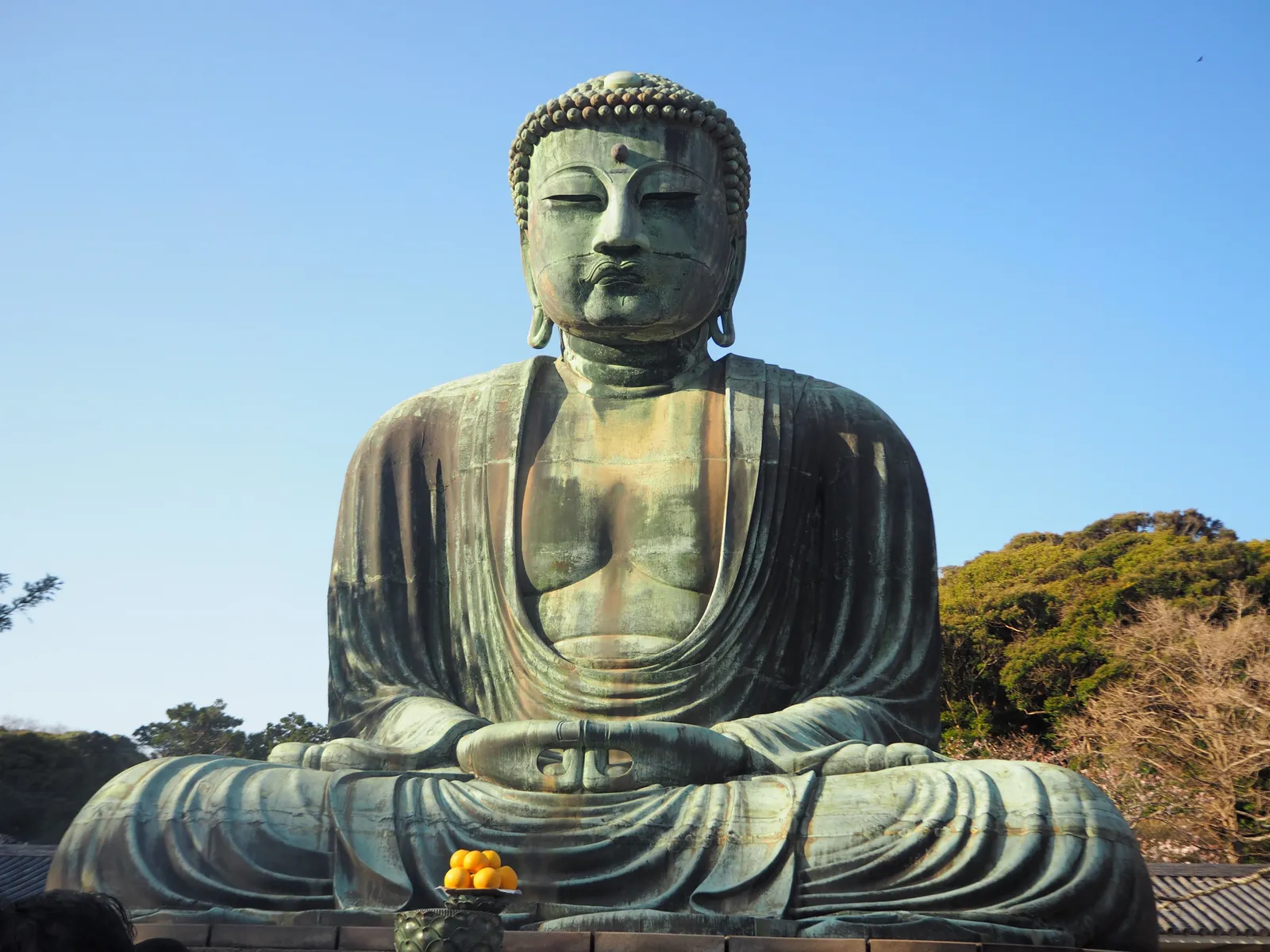
The temptation is to take the shinkansen somewhere. Do not. Kamakura is an hour from Tokyo on an ordinary commuter line, costs a few hundred yen each way on your IC card, and gives you the day trip everyone else pays four times as much for. The Great Buddha sits in the open air and charges a small entry, with a smaller charge again to go inside it.
The rest of the day is walking. The Daibutsu hiking trail links the temples over a wooded ridge for free, Hasedera charges little and has a cliff garden and caves, and the beach at the end of the Enoden line costs nothing at all. The local train that runs down to the coast between the houses is a normal fare, not a tourist attraction, which is the theme of the whole day.
Food: the street up from the station is full of cheap shirasu bowls and street snacks; buy lunch there rather than at a temple. The signature experience: the ridge trail between temples, which is free and empty compared with the roads below. Optional tour: our Kamakura guide covers doing it independently, which is the point here.
Day 5: Asakusa, the river and a basement at closing time
Senso-ji is free, its approach street is free to walk, and the whole district is the cheapest sightseeing in Tokyo. Come early for the temple without the crowd, then walk the back streets, where the shops selling kitchen knives, plastic food models and paper lanterns are an attraction in themselves. The tourist information centre opposite the gate has a free top floor view of the temple and the tower.
Finish with the trick that regular visitors use. Department store food halls in the basement discount their prepared food, sushi and bento in the last hour or two before closing, with stickers going on progressively. Turn up around then, assemble a spread for a fraction of the daytime price, and eat it in a park or by the river. It is the best meal on this itinerary and among the cheapest.
Food: the discounted basement spread, and a can of something from a vending machine to go with it. The signature experience: the sticker discounts going on in a department store basement, which is genuinely a spectator sport. Optional tour: the river bus down the Sumida is cheap and counts as transport rather than sightseeing.
Practical tips
- Do not buy a rail pass for a trip like this. Five days in and around Tokyo will not come close to its value; get an IC card and pay per journey.
- Accommodation is the real cost. Hostels and capsule hotels are safe, clean and everywhere, and a private room in a business hotel is often cheaper than a hostel twin.
- Convenience stores and supermarkets are not a compromise here. A konbini meal is genuinely good, and supermarket bento is cheaper again.
- Water is drinkable everywhere and free at fountains, and tea comes free with most set meals.
- Many shrines and all shrine grounds are free; temples usually charge a small amount for the inner buildings only.
- Cash still matters at small restaurants and markets, though card acceptance has improved fast. Our cost guide has the daily numbers.