If you only get one trip to Japan and only five days to spend on it, this is the route almost every returning traveller wishes someone had handed them before their first visit. It moves fast but not recklessly: two days to get a real feel for Tokyo, a full day with Mount Fuji, and a final stretch in Kyoto with room for a Nara add-on if your legs are still willing. Read first time in Japan before you land, then keep Mount Fuji and Kawaguchiko and our Kyoto guide open as you plan the middle and end of the trip.
Itinerary at a glance
| Day | Base | The signature experience |
|---|---|---|
| 1 | Tokyo | The Shibuya scramble crossing seen from above |
| 2 | Tokyo | teamLab, if booked, and an Imperial Palace morning |
| 3 | Fuji region | An onsen with the mountain in view, weather permitting |
| 4 | Kyoto | Dawn at the Fushimi Inari torii gates |
| 5 | Kyoto and Nara | The bowing deer and the great bronze Buddha |
Day 1: Land and go straight into Tokyo
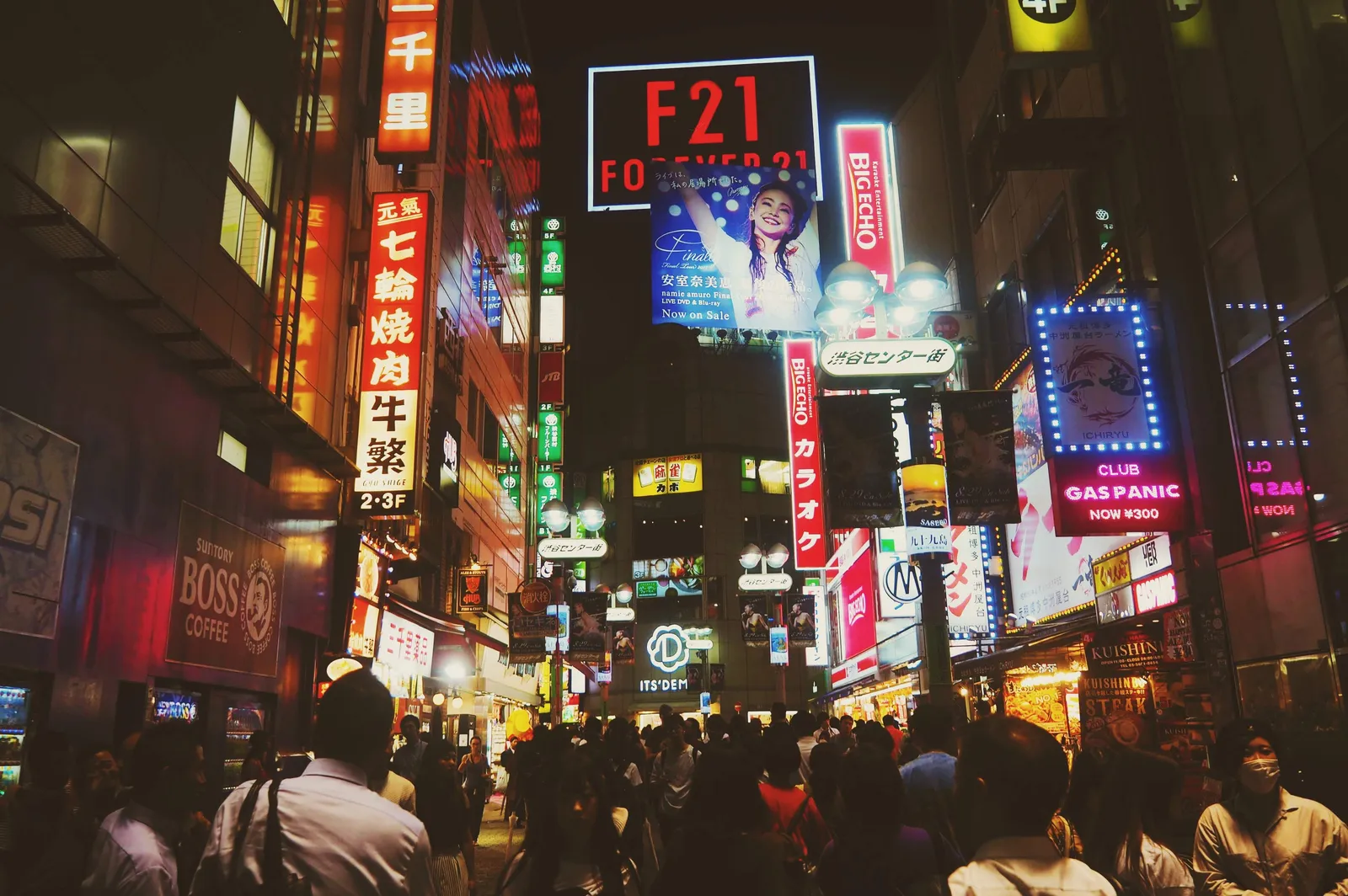
However tired you are, resist the urge to disappear into a hotel room on your first afternoon. Head to Asakusa first, where the old east side of the city still shows through: Senso-ji’s great lantern gate, the Nakamise shopping lane leading up to it, and side streets that have not been rebuilt in decades. As jet lag starts to bite, a bowl of ramen does more for you than a nap would, and it is a good introduction to ordering from a vending machine at the door, ticket in hand before you have said a word to anyone. After dark, cross the city to Shibuya and Shinjuku, where neon signage stacks four and five storeys high and the pace of the city is on full display. The Shibuya scramble crossing is the single image most people carry home from a first Tokyo trip, and standing in the middle of it as hundreds of people surge past at once is worth the crowd.
Food: a proper ramen dinner is the right call on arrival night, and a convenience store breakfast the next morning is genuinely good rather than a fallback, worth trying at least once. The signature experience: the scramble crossing seen from a window high above, the choreography of it only really visible from up there. Optional tour: a guided night walk through Shinjuku and Golden Gai, useful if the tiny bar etiquette feels intimidating on your own.
Day 2: Meiji Jingu, the Imperial Palace and teamLab
Start in the forest around Meiji Jingu, a shrine that feels like a different city entirely from the streets just outside its gates, then walk through Harajuku’s side lanes into the leafy avenue of Omotesando. The Imperial Palace East Gardens, free to enter, offer old stone ramparts and formal plantings that shift with the seasons, a calm contrast to the morning’s crowds. If you have booked ahead, this is the day to fit in teamLab, and booking ahead matters here specifically: the Borderless venue moved to Azabudai Hills near Roppongi and Planets is a separate site in Toyosu, so check which one your ticket is for before you set off. For lunch, a department store food hall in the basement of a major station is one of Tokyo’s underrated pleasures, rows of counters selling everything from sushi to French pastry under one roof.
Food: a depachika food hall basement makes an easy, excellent lunch with no reservation needed, and standing sushi counters near the major stations are a fast, good-value dinner option. The signature experience: losing track of time inside a teamLab installation, if you managed to book a slot. Optional tour: a Harajuku and Omotesando fashion and backstreets walk, if you would rather have context for the district’s shifting style scenes than wander alone.
Day 3: Mount Fuji, Kawaguchiko or Hakone
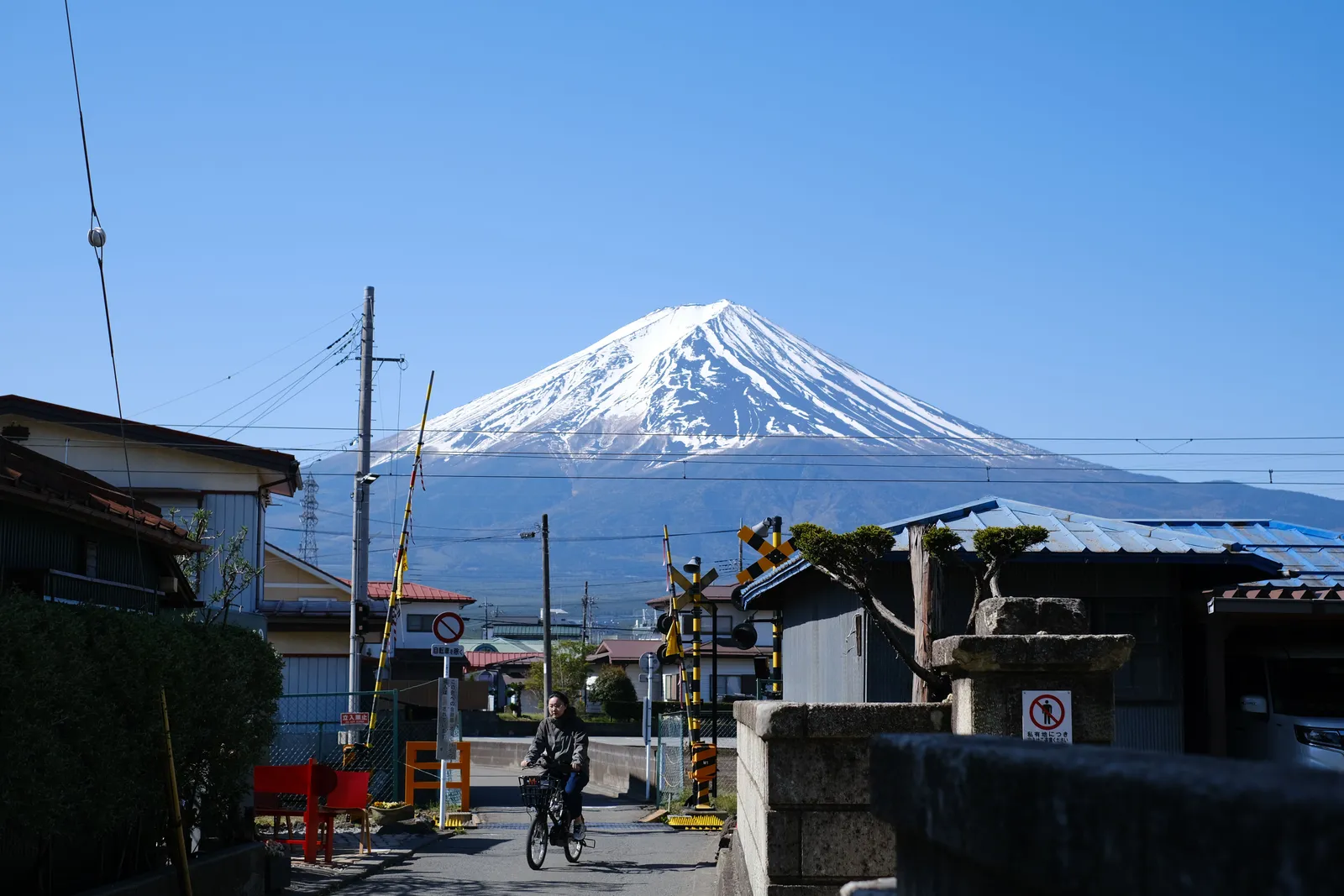
Trade the city for the mountains on day three, choosing between two well-worn routes to Mount Fuji. Kawaguchiko gives you lake views with the mountain as backdrop, along with the pagoda that appears in most Fuji photographs you have already seen online, reached by a long staircase above the lake. Hakone leans more towards a spa town, with a ropeway over the steaming Owakudani sulphur valley and a lake cruise past a red torii gate standing in the water. Whichever you choose, this is the day to slow down: check into a ryokan or hotel with an onsen, and treat the soak as the point of the day rather than a bonus. Fuji is famously shy, hiding behind cloud on many summer days, so build in enough time that a hazy morning does not cost you the view entirely.
Food: hoto, a thick hand-cut noodle stew simmered with vegetables in a miso broth, is the dish this region is known for and a good match for a cool mountain evening. The signature experience: an onsen soak with the mountain in view, which depends entirely on the weather cooperating. Optional tour: a day tour that combines the ropeway, the lake cruise and a fixed pickup point is worth it if you would rather not manage transfers yourself on a tight schedule.
Day 4: Ride the shinkansen to Kyoto
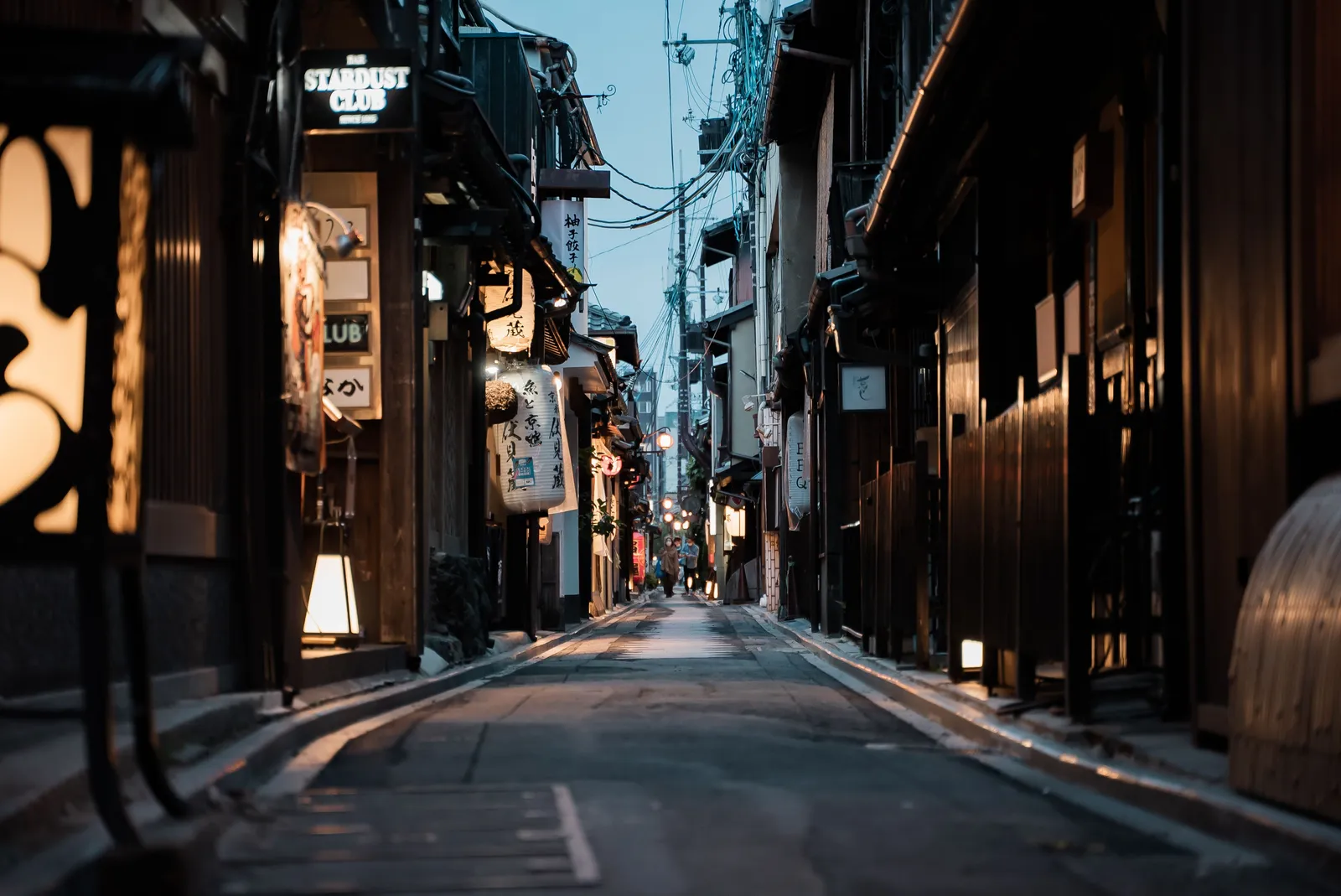
Take the bullet train west, and if you can, time your arrival so you reach Fushimi Inari in the late afternoon or early evening, when the crowds at the base of the mountain thin considerably. The torii gate tunnels climb the hillside behind the main shrine in dense, glowing rows, and the higher you go, the quieter the path becomes. Come back down and spend the rest of the evening working through Higashiyama, Kyoto’s old eastern hills district: Kiyomizudera’s wooden stilted hall, and the lanes of Sannenzaka and Ninenzaka below it. As dusk deepens, Gion’s lantern-lit streets are worth a slow walk, camera down, in case you spot a geisha or maiko on her way to an appointment.
Food: Nishiki Market, a narrow covered street of stalls, is the place to graze your way through pickles, skewers and Kyoto specialities, and if you have booked ahead, a kaiseki dinner is a genuine highlight of a Kyoto stay. The signature experience: walking up through the torii tunnels of Fushimi Inari as the light softens and the crowds fall away. Optional tour: a small-group Higashiyama walking tour, particularly useful for understanding what you are looking at in Gion, where etiquette matters more than in most districts.
Day 5: Arashiyama and a Nara day trip
On your last full day, an early start to Arashiyama gets you into the bamboo grove before the tour groups arrive, and Tenryuji’s garden beside it is worth the entry fee for its pond alone. From there, a short train ride takes you to Nara, Japan’s first permanent capital, where the free-roaming deer of Nara Park and the colossal bronze Buddha inside Todaiji make for one of the easiest and most rewarding day trips in the country. If your itinerary runs the other direction and you fly out from Kansai, Nara fits neatly as a final stop before the airport rather than a full detour. For lunch, yuba, the delicate tofu skin Kyoto’s temple kitchens have served for centuries, and matcha desserts make an easy, portable meal between sights.
Food: yuba dishes and matcha sweets carry you through the day without needing a sit-down reservation, and Nara’s kakinoha sushi, wrapped in persimmon leaves, is worth seeking out if you have time. The signature experience: the scale of Todaiji’s great bronze Buddha, difficult to picture until you are standing beneath the hall’s beams. Optional tour: a combined Arashiyama and Nara day tour is a sensible option if you would rather not calculate train connections on your final full day.
Practical tips
- Work out whether a rail pass suits this route before you buy one, since coverage and value vary by trip length and by how many long-distance legs you are actually riding.
- Book teamLab and any ryokan dinner or tea ceremony well before you land, since the best slots go early.
- Reserve shinkansen seats for the Tokyo to Fuji region and Fuji region to Kyoto legs on busy travel dates.
- Fushimi Inari and the Shibuya crossing are both far calmer outside the late morning to mid-afternoon window, which this plan uses deliberately.
- Confirm current opening hours and any booking requirements for teamLab and each temple against its official page before you travel, since these change through the year.